
Science fiction cinema has always been humanity's crystal ball, offering glimpses into possible futures while forcing us to confront fundamental questions about consciousness, identity, and our place in the universe. These five remarkable films represent the pinnacle of mind-bending storytelling that continues to resonate with audiences in 2025.
The Memory Wars: Eternal Sunshine of the Spotless Mind (2004)
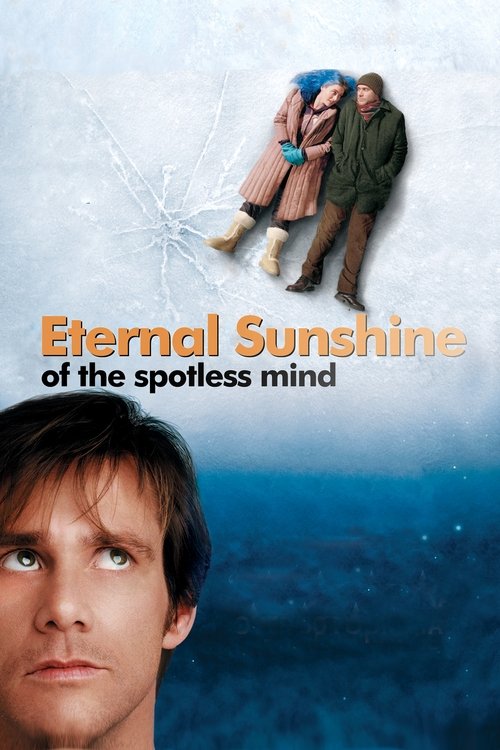
Michel Gondry's masterpiece presents a future where memories can be surgically removed, exploring the fundamental question: are painful memories worth preserving? The film's innovative visual approach—using practical effects to create dreamlike sequences—mirrors the fragmented nature of memory itself. As Joel navigates his dissolving recollections, we witness a profound meditation on whether our suffering defines us or diminishes us. The movie's prescient exploration of memory manipulation feels increasingly relevant as neurotechnology advances in 2025.
Alien Paranoia: The Thing (1982)
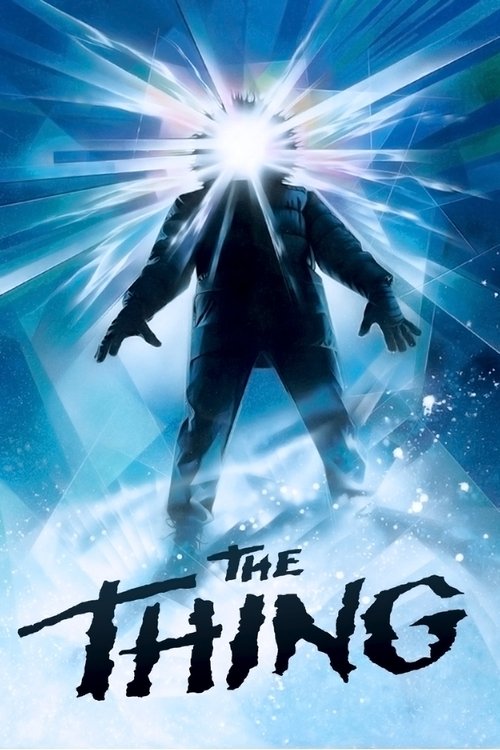
John Carpenter's claustrophobic masterpiece transcends horror to become a philosophical examination of identity and trust. The shape-shifting alien forces us to question: what makes us human? The film's practical effects remain unmatched, creating visceral transformations that serve as metaphors for loss of self. In an era where artificial intelligence and deepfakes challenge our ability to distinguish reality from simulation, The Thing's paranoid atmosphere feels prophetic. The movie asks whether humanity lies in our biology or our consciousness—a question that resonates powerfully in our age of advancing AI.
The Dawn of Artificial Consciousness: 2001: A Space Odyssey (1968)
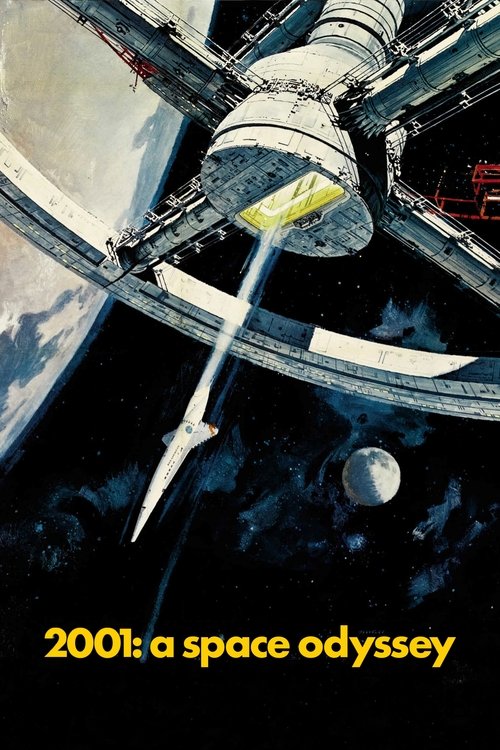
Kubrick's visionary epic remains cinema's most ambitious exploration of human evolution and artificial intelligence. HAL 9000's descent into homicidal logic predates our current AI anxieties by decades, while the film's stunning practical effects—achieved without CGI—create a sense of cosmic grandeur that few films have matched. The mysterious monoliths represent humanity's guided evolution, raising questions about free will and destiny that feel increasingly relevant as we stand on the brink of creating truly intelligent machines. The film's final transformation sequence suggests that consciousness itself might be just another evolutionary step.
Origins of Conflict: Transformers One (2024)

This animated prequel transcends its toy origins to explore how ideological differences can fracture even the strongest bonds. The film's stunning animation brings Cybertron to life while examining themes of friendship, betrayal, and the corrupting nature of power. By focusing on Optimus Prime and Megatron's relationship before their eternal conflict, the movie asks whether enemies are born or made. The visual spectacle serves a deeper purpose: showing how the same events can be interpreted differently, leading to irreconcilable worldviews—a theme that resonates strongly in our polarized times.
Playing God: Jurassic Park (1993)
Spielberg's blockbuster remains the definitive cautionary tale about genetic engineering and humanity's hubris. The film's groundbreaking blend of practical and digital effects created creatures that still feel alive today, serving the story's central theme: that life finds a way to subvert human control. As CRISPR technology and genetic modification advance in 2025, the movie's warnings about unforeseen consequences feel prophetic. The park's failure represents humanity's persistent belief that we can control nature—a dangerous assumption in an era of climate change and biotechnology.
The Future Reflected
These films endure because they use spectacular visuals and imaginative concepts to explore timeless human concerns. They remind us that the best science fiction isn't about predicting technology—it's about understanding ourselves. As we navigate 2025's technological landscape, these cinematic visions continue to provide essential roadmaps for the ethical and philosophical challenges ahead. Each film serves as both entertainment and warning, showing us possible futures while asking: what kind of tomorrow do we want to create?