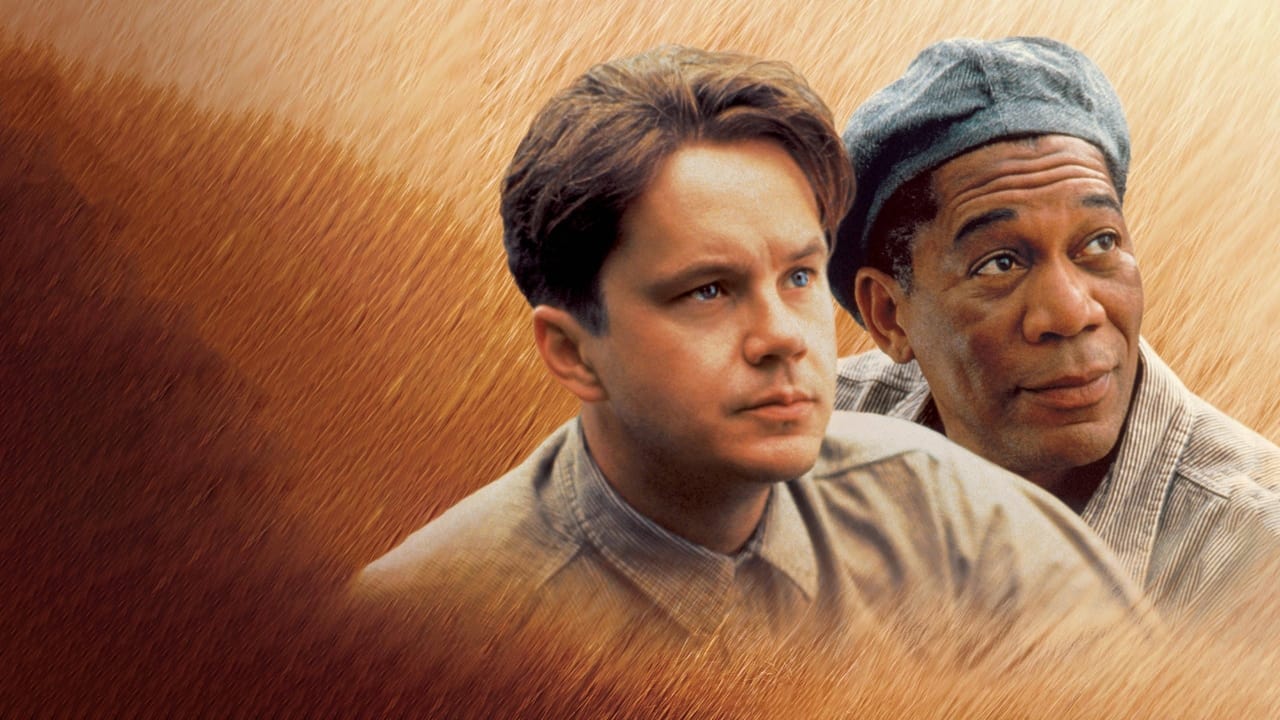
So here's the thing about crime films—they've fundamentally rewired how we think about justice, morality, and who deserves our sympathy. We've been seduced by silver-tongued killers and noble bank robbers for so long that we barely question why our hearts race when Andy Dufresne finally escapes Shawshank, or why we pump our fists when Michael Corleone settles all family business. Honestly, it's a masterclass in manipulation, and we're willing participants.
Take Frank Darabont's The Shawshank Redemption, a film that's somehow become America's unofficial moral compass despite centering on a convicted double murderer. 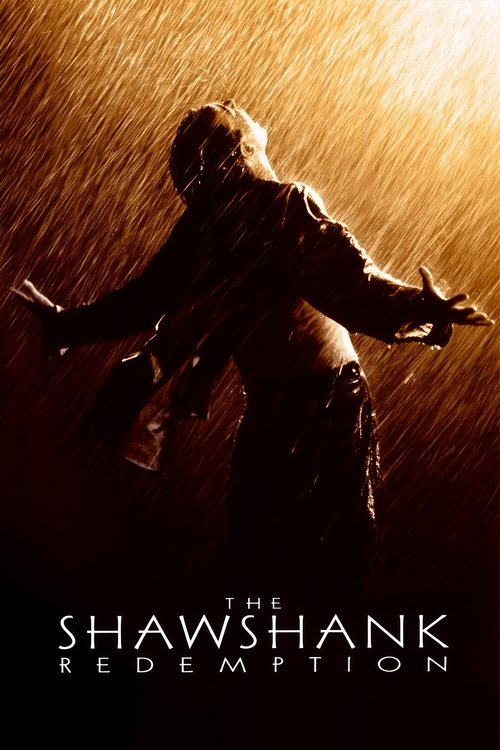 Darabont and cinematographer Roger Deakins craft Andy Dufresne's world with such suffocating institutional gray that by the time Tim Robbins crawls through that sewage pipe, we're not thinking about his victims—we're cheering for his freedom. The film's genius lies in its misdirection. Andy becomes the moral center not despite his crime, but because the system surrounding him is so much worse.
Robbins delivers a performance of quiet dignity that makes us forget the blood on Andy's hands. His Andy is cerebral, almost Christ-like in his suffering and eventual resurrection. When he helps Tommy Williams earn his GED or plays Mozart over the prison speakers, we see nobility. But here's what bothers me: the film never truly grapples with the violence that brought Andy to Shawshank. We get his protestations of innocence, but even if he's guilty—and the ambiguity is deliberate—we've already chosen our side. Darabont uses the brutality of prison life and the corruption of Warden Norton to make Andy's crimes feel almost quaint by comparison. It's emotional manipulation of the highest order, and it works because we want it to work.
The film's enduring popularity says something uncomfortable about American audiences. We prefer our justice personal and our morality flexible. Andy's patient, methodical escape isn't just physically satisfying—it's morally satisfying because we've been conditioned to see institutional authority as inherently corrupt. The real crime isn't murder; it's the systematic dehumanization of prisoners. Darabont knew exactly what he was doing.
Francis Ford Coppola took this moral complexity even further with The Godfather, creating what might be the most seductive portrayal of organized crime ever captured on film. 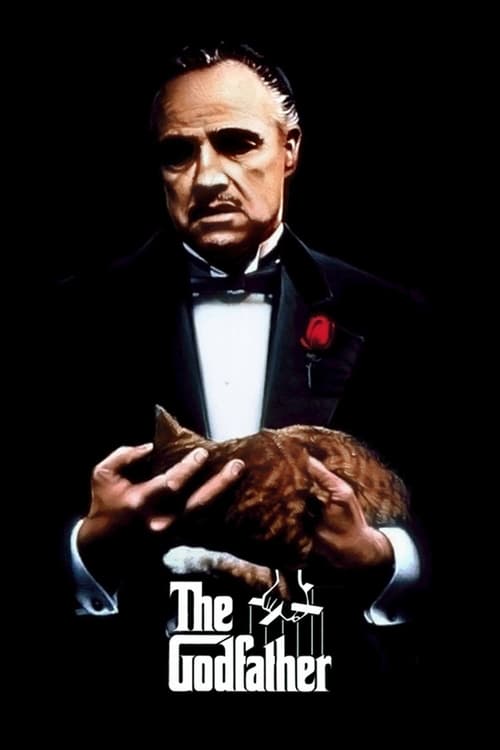 Coppola and cinematographer Gordon Willis bathed the Corleone world in amber-tinted shadows that make violence feel like family tradition. Those deep blacks and warm golds don't just look beautiful—they make brutality feel noble.
Marlon Brando's Vito Corleone is perhaps cinema's greatest monster disguised as a patriarch. His raspy, measured delivery makes every word feel like wisdom, even when he's ordering executions. "I'm gonna make him an offer he can't refuse" has become cultural shorthand for power, not the death threat it actually represents. Brando transforms a crime lord into a tragic figure fighting to protect his family in a hostile world. The performance is so magnetic that we forget he's built his empire on murder, extortion, and corruption.
But it's Al Pacino's Michael Corleone who represents the film's most disturbing achievement. Michael's transformation from war hero to don isn't presented as moral decay—it's presented as inevitable evolution. When he guns down Sollozzo and McCluskey in that restaurant, Coppola shoots it with almost documentary realism. No glamour, no slow motion. Just necessity. The message is clear: good men do terrible things when circumstances demand it. Michael's arc becomes a Greek tragedy where each violent act flows logically from the last.
Here's my controversial take: The Godfather is more dangerous than any slasher film because it makes murder feel reasonable. When Michael orders Carlo's death or eliminates the heads of the five families, we understand his logic. Coppola never asks us to condemn these actions—he asks us to understand them. That understanding becomes complicity. We're not just watching Michael's corruption; we're participating in it.
The film's cultural impact proves how thoroughly it succeeded in normalizing criminal behavior. How many corporate boardrooms have referenced Corleone "business" tactics? How many politicians have quoted Don Vito's philosophy? Coppola created a mythology so compelling that real mobsters began modeling themselves after his fictional characters. Art imitating life imitating art in an endless feedback loop of glamorized violence.
What's particularly insidious is how both films use family as their emotional anchor. Andy finds surrogate family in Red and the other inmates. Michael kills to protect his blood family. Both narratives suggest that loyalty to your chosen tribe justifies any action against outsiders. It's tribalism disguised as nobility, and it's everywhere in crime cinema.
I think the reason we're so drawn to these criminal antiheroes is that they represent a fantasy of agency in an increasingly complex world. Andy controls his destiny through patience and intelligence. Michael controls his through violence and will. Both offer the seductive promise that one person can impose order on chaos, even if that order comes at a terrible price.
The ethical question isn't whether these films should exist—they absolutely should. Great art has always explored moral complexity. The question is whether we're sophisticated enough viewers to recognize when we're being seduced. When we cheer for Andy's escape or Michael's revenge, are we celebrating justice or just violence that feels justified?
Perhaps the real test of a mature audience is our ability to be simultaneously moved by these stories and troubled by our emotional responses to them. We can admire the craft while questioning the message. We can love the characters while hating their choices.
If you're interested in exploring more films that navigate these murky moral waters, I'd recommend checking out CinemaSearch. Their algorithm is particularly good at finding movies that share thematic DNA rather than just surface similarities—perfect for diving deeper into cinema's most morally complex corners without getting lost in generic recommendation lists.