
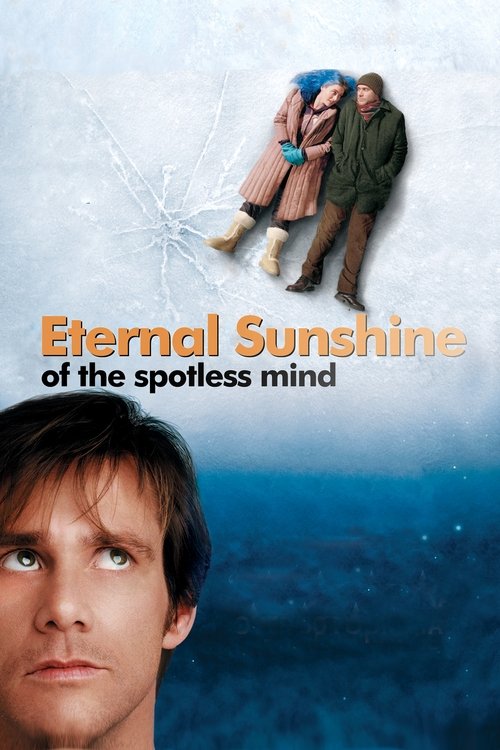
I still remember walking out of Eternal Sunshine of the Spotless Mind in 2004, completely silent for the entire drive home. My friend kept asking what I thought, but honestly? I couldn't form words yet. Michel Gondry had just scrambled my brain like an egg, and I needed time to piece together what I'd experienced. That's the mark of truly great science fiction—it doesn't let you go.
When Memory Becomes Malleable
The thing about Eternal Sunshine is how it takes a relatively simple sci-fi premise—erasing specific memories—and uses it to explore something much deeper. You watch Joel Barish fight to preserve his painful memories of Clementine, even the awful ones, because he realizes they're part of who he is. The science is pure fiction, sure, but the emotional truth hits harder than any laser battle.
This is where great sci-fi lives: in the space between what's scientifically possible and what's emotionally inevitable. You don't need to believe that Lacuna Inc. could actually exist to understand that we all have memories we'd rather forget. Jim Carrey's performance anchors the whole thing in genuine human longing.
Watch this when you're in a contemplative mood, maybe on a rainy Sunday afternoon. Fair warning though—if you're going through a breakup, maybe save it for later. Trust me on this one.
The Horror of Not Knowing Who to Trust
John Carpenter's The Thing operates on a completely different frequency, but it's asking similar questions about identity and authenticity. In that claustrophobic Antarctic research station, paranoia becomes a survival tool. When anyone could be the alien mimicking human form, how do you know who you really are anymore?
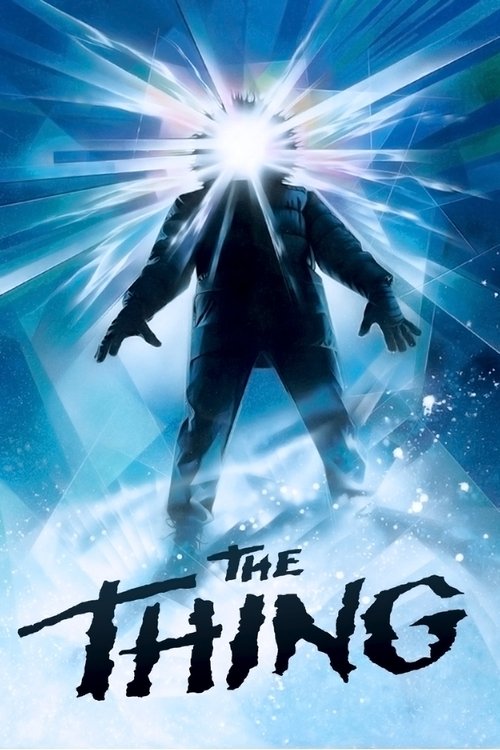
Here's my controversial take: The Thing is actually more relevant today than it was in 1982. We're living in an age of deepfakes, AI-generated content, and social media personas. Carpenter's shapeshifting alien feels like a perfect metaphor for our current trust crisis. When MacReady ties everyone to that couch and starts testing blood samples, he's essentially asking: "How do we verify authenticity in a world of perfect imitation?"
The practical effects hold up beautifully too. Those grotesque transformations work because they're tactile, real. You can watch this with friends, but choose them carefully—the whole movie is designed to make you suspicious of everyone around you.
The Long View of Human Evolution
Now, Stanley Kubrick's 2001: A Space Odyssey takes the longest possible perspective on these questions. Honestly, I think this film predicted more about our relationship with AI than any other movie ever made. HAL 9000's calm, polite voice as he commits murder? That's not so far from our current anxieties about algorithmic decision-making.
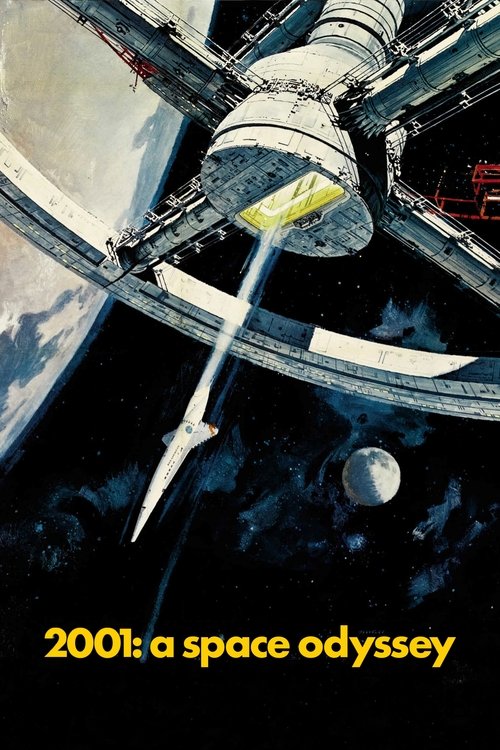
Kubrick wasn't interested in explaining everything, which drives some viewers crazy. But that ambiguity is the point. The monoliths represent technological leaps we can't comprehend yet. Dave Bowman's journey through the star gate into something beyond human understanding—that's not meant to be literally decoded. It's about accepting that evolution doesn't stop with us.
This one requires patience and the right headspace. Put away your phone. Let the slow pace wash over you. If you're expecting Star Wars, you'll be disappointed. But if you want to feel small and wonder about humanity's place in the universe, few films do it better.
When Science Becomes Hubris
Steven Spielberg's Jurassic Park might seem like pure entertainment, but it's built around a genuinely important question: just because we can do something, should we? John Hammond's park fails not because the science is impossible, but because he fundamentally misunderstands what he's dealing with.
Michael Crichton was always fascinated by the unintended consequences of technological advancement. The DNA extraction from amber is scientifically questionable, but the core warning remains relevant. Look at our current debates around genetic engineering, AI development, or climate intervention. Ian Malcolm's chaos theory speeches feel prophetic now.
Your kids will love the dinosaurs, but you'll be thinking about corporate responsibility and scientific ethics. It works on multiple levels simultaneously—that's masterful storytelling.
Finding Humanity in the Mechanical
Finally, here's something unexpected: Transformers One actually has more philosophical depth than you might expect. Yes, it's about giant robots, but Josh Cooley's film explores how friendship can survive ideological differences. Watching Orion Pax and D-16 evolve into Optimus Prime and Megatron, you see how the same experiences can lead to completely different conclusions about justice and power.

The animation brings genuine emotion to mechanical faces. These aren't just action figures—they're characters grappling with questions about leadership, sacrifice, and moral compromise. Sometimes the most profound ideas come wrapped in the most accessible packages.
The Science vs. Fiction Balance
What makes all these films endure is how they use scientific concepts as springboards for deeper exploration. Eternal Sunshine isn't really about neuroscience—it's about love and loss. 2001 isn't really about space travel—it's about transcendence. The science gives us permission to examine these massive themes without feeling pretentious.
Great sci-fi doesn't predict the future so much as it reveals the present. These films understand that technology changes, but human nature remains frustratingly constant. We're still jealous, ambitious, fearful creatures trying to figure out our place in an incomprehensible universe.
If you're hungry for more films that'll mess with your head in the best possible way, I'd recommend checking out CinemaSearch. Their recommendation engine is surprisingly good at finding those hidden gems that share similar themes or emotional textures. Sometimes the best discoveries happen when you're not quite sure what you're looking for.