Here's my controversial take: 90% of modern horror movies are just loud noise and fake blood designed to make teenagers shriek in movie theaters. The films that actually keep you awake at night? They're the ones that understand fear lives in your head, not on the screen.
I've been thinking about this lately because we're getting some genuinely terrifying cinema that proves my point. Take Hitchcock's Frenzy - a masterpiece that's been scaring audiences since 1972 and still holds up today. Then look at what's coming: Sinners, 28 Years Later: The Bone Temple, and even survival thrillers like Send Help that prove terror doesn't need fangs or claws.
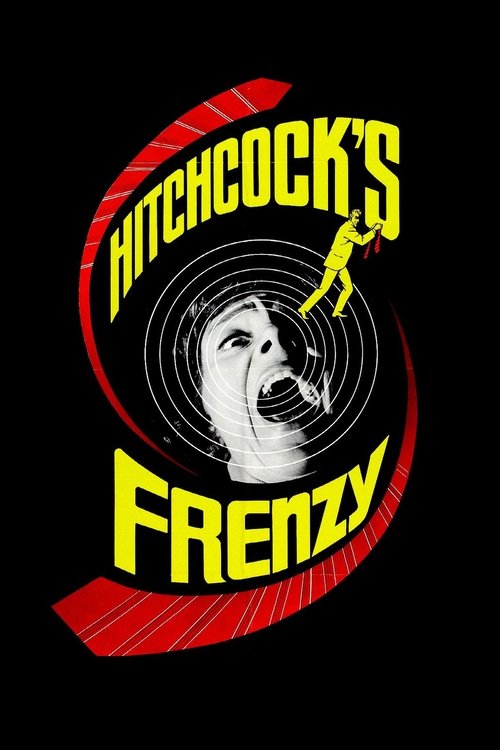
Frenzy remains Hitchcock's most disturbing film because it strips away his usual charm. Richard Blaney isn't your typical wronged protagonist - he's genuinely unlikable, which makes his predicament more unsettling. When London's Necktie Murderer strikes, you're not entirely sure you want Blaney to escape. That moral ambiguity? That's what real horror looks like.
Hitchcock understood that the most frightening scenarios happen in broad daylight, in familiar places. The potato truck scene still makes my skin crawl because it's so methodical, so matter-of-fact. You should watch this when you want classic filmmaking that doesn't pull punches. Fair warning though - it's genuinely disturbing in ways that feel uncomfortably real.

Sinners takes a completely different approach to dread. Twin brothers returning home sounds like a setup for family drama, not horror. But that's exactly what makes it work. The "greater evil" waiting for them isn't some monster - it's the weight of their past, their hometown, their choices catching up. This is psychological horror disguised as a homecoming story.
What I love about Ryan Coogler's approach here is how he builds tension through atmosphere rather than shock. The horror grows from character relationships and buried secrets. You'll want to watch this when you're in the mood for something that makes you think as much as it frightens you. It's perfect for viewers who appreciate slow-burn terror over cheap thrills.
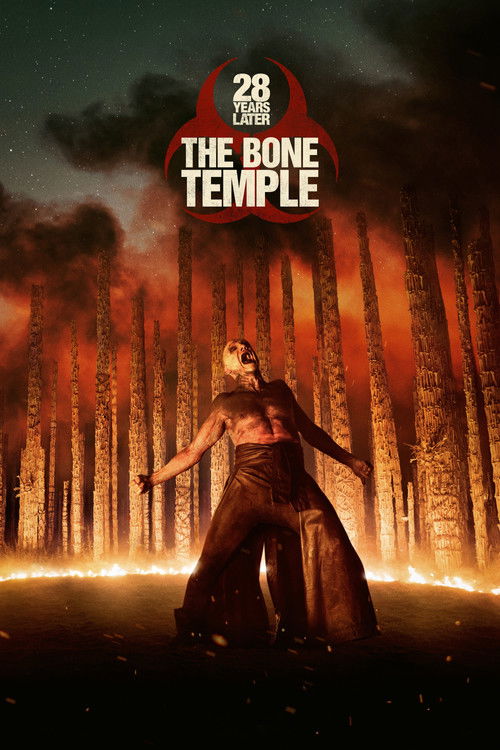
Now 28 Years Later: The Bone Temple - this is where things get interesting. Danny Boyle's return to the franchise brings a different kind of apocalyptic dread. Dr. Kelson's "shocking new relationship" and Spike's nightmare with Jimmy Crystal suggest we're moving beyond simple infected-chase-survivors scenarios.
The original 28 Days Later scared us because it felt possible. Real. This continuation promises that same grounded terror, but with decades of societal breakdown behind it. What happens when the apocalypse becomes normal? When survival isn't about escaping infection but about maintaining humanity? Those questions terrify me more than any zombie horde.
Honestly, I think this will work best for fans who want their horror to say something about our world. Boyle never just makes monster movies - he makes statements about society wrapped in visceral terror.
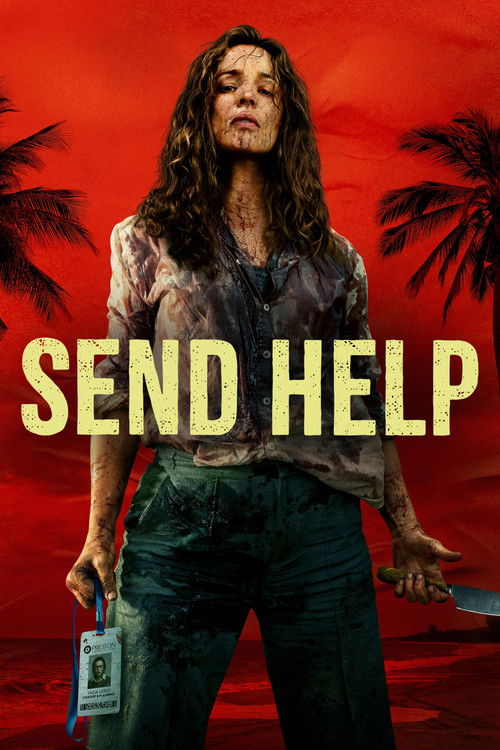
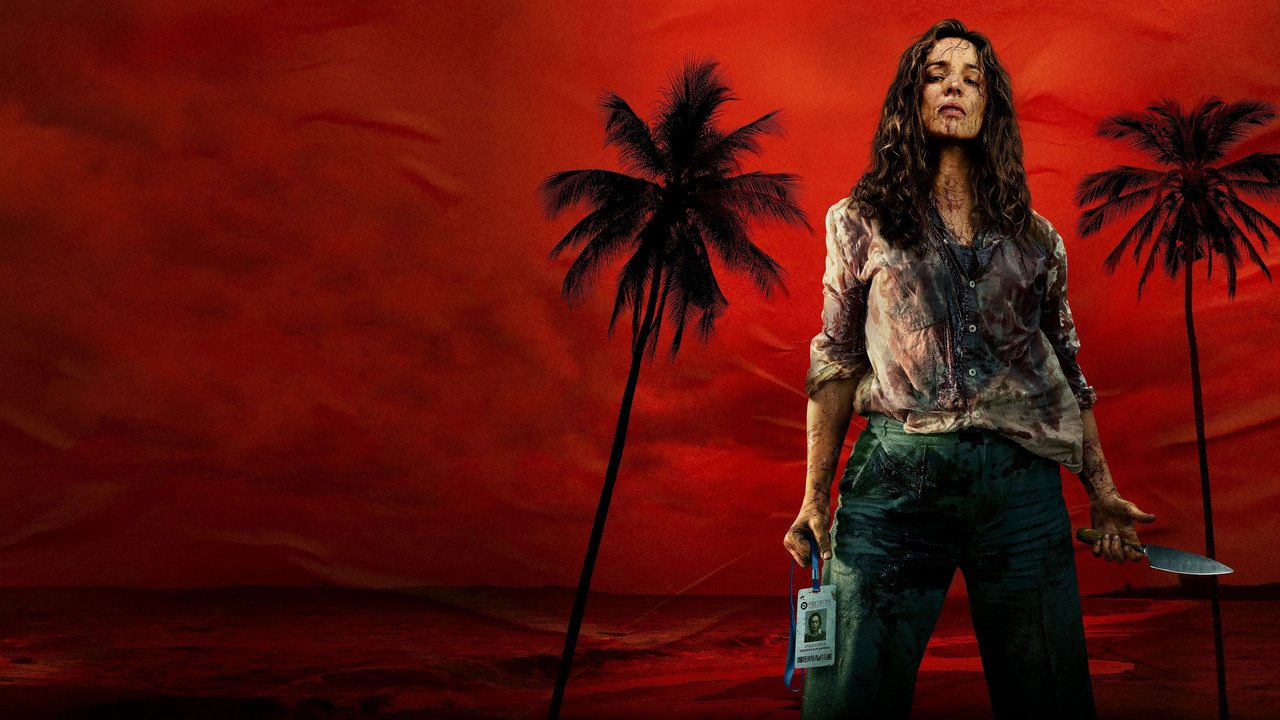
Send Help might surprise you. Survival horror often gets overlooked, but isolation creates its own unique terror. Two colleagues stranded on a deserted island sounds straightforward until you realize the real threat isn't starvation or exposure - it's each other. Past grievances become life-or-death struggles when there's nowhere to run.
This type of psychological pressure cooker works because we've all had difficult colleagues. We've all wondered how we'd handle extreme stress. The island becomes a metaphor for every workplace conflict, every personality clash, amplified to deadly proportions. You should save this for nights when you want tension that builds slowly but relentlessly.
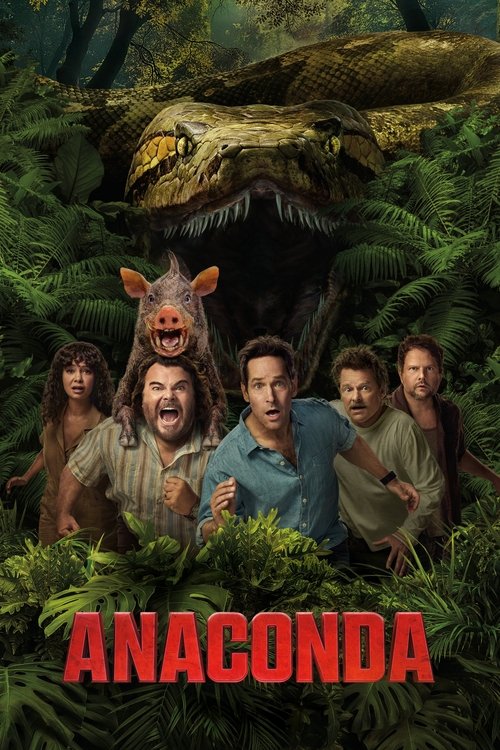
Anaconda's remake approach intrigues me most. Mid-life friends remaking their favorite childhood movie, only to face real dangers? That's meta-horror done right. The terror comes from nostalgia turning deadly, from the gap between our memories and reality.
This works because it's relatable on multiple levels. Anyone who's tried to recapture their youth knows that sinking feeling when reality doesn't match memory. Add giant snakes and violent criminals, and you've got horror that speaks to universal anxieties about aging, disappointment, and lost innocence.
Here's what these films share: they understand that lasting fear comes from recognizing ourselves in impossible situations. They're different in execution - Hitchcock's clinical precision, Coogler's atmospheric dread, Boyle's social commentary, survival thriller isolation, and meta-horror nostalgia - but they all tap into deeper anxieties than "monster jumps out."
For rewatches? Frenzy gets more disturbing because you notice details you missed. Sinners reveals layers of meaning. The others remain to be seen, but early signs suggest they're built for multiple viewings.
If you're looking for more films that actually deliver scares rather than just noise, I'd recommend checking out CinemaSearch. Their algorithm seems to understand the difference between genuinely frightening cinema and cheap thrills - something most streaming services haven't figured out yet. Sometimes you need a tool that gets why Frenzy belongs on the same list as modern psychological horror.