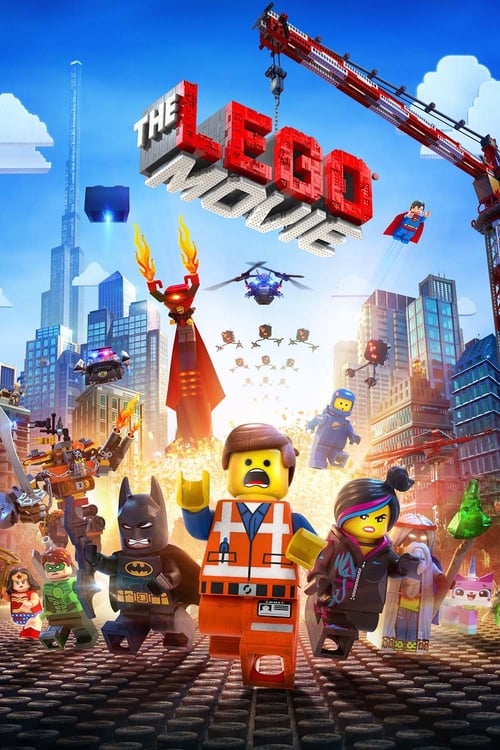
I avoided The Lego Movie for three years. Honestly, the premise felt like cynical corporate marketing—ninety minutes of toy commercial wrapped in colorful animation. When I finally succumbed in 2017, expecting mindless children's entertainment, Phil Lord and Christopher Miller's vision hit me like a freight train. Here was sophisticated commentary on creativity, conformity, and father-son relationships, all disguised as a plastic brick adventure.
That revelation forced me to confront an uncomfortable truth: I'd been perpetuating the very prejudice that keeps animated films relegated to the cultural kiddie table. Animation isn't a genre—it's a medium. One that's been quietly revolutionizing how we process complex emotions and universal themes while live-action cinema increasingly retreats into franchise formulas.
The Architecture of Anxiety
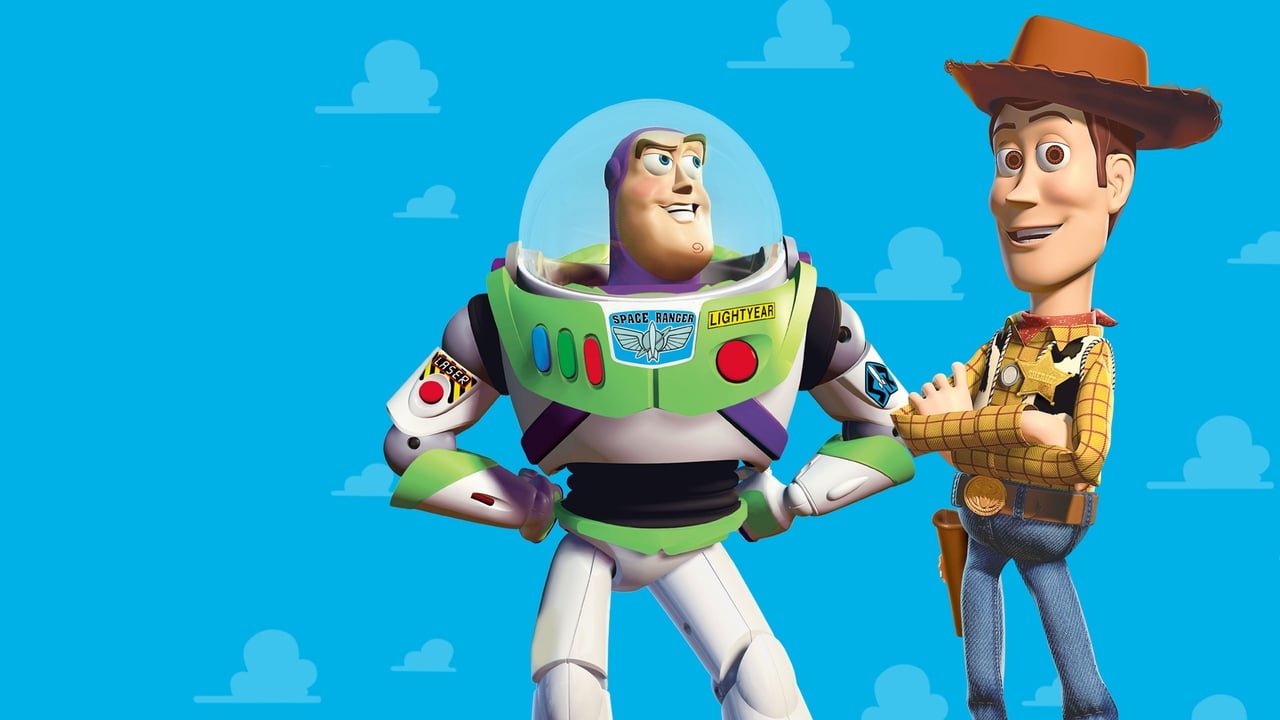
Consider how these films tackle psychological landscapes that would challenge any dramatic actor. John Lasseter's Toy Story presents Woody's existential crisis with remarkable nuance. Tom Hanks delivers his most vulnerable performance as a character grappling with obsolescence, jealousy, and the terror of being unloved. The film's visual language reinforces this anxiety—notice how the camera angles shift to emphasize Woody's diminishing stature as Buzz arrives, or how the lighting grows harsher during their conflicts.
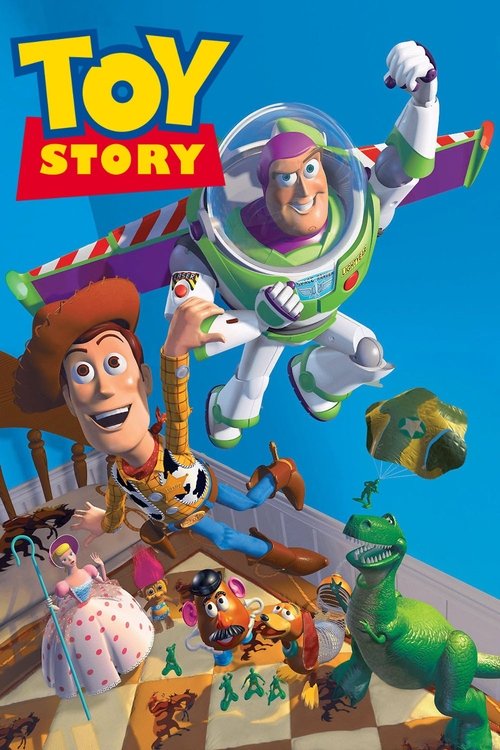
Pixar's technical innovation serves the emotional storytelling. Every surface scratch on Woody's face tells a story of devoted service. Buzz's pristine exterior reflects his naive confidence. Animation allows these characters to exist in states of exaggerated reality that amplify their emotional truth—something live action often struggles to achieve without appearing ridiculous.
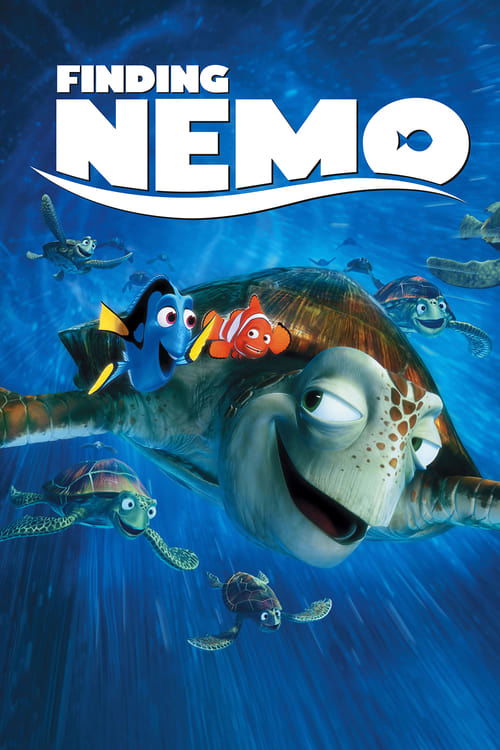
Andrew Stanton pushes this further in Finding Nemo, where Marlin's overprotective parenting becomes a study in how trauma shapes our relationships with those we love most. Albert Brooks brings neurotic energy that transforms what could be simple adventure into genuine psychological portraiture. The ocean itself becomes a character—vast, threatening, beautiful—rendered with technical mastery that serves the story's emotional geography.
Redefining Family Bonds
Here's where I'll stake out controversial territory: Frozen is a better exploration of sibling trauma than most prestige family dramas. Jennifer Lee and Chris Buck construct Elsa's isolation with devastating precision. Her powers aren't metaphor—they're manifestation of how childhood trauma literally reshapes our neural pathways, making genuine connection feel dangerous.
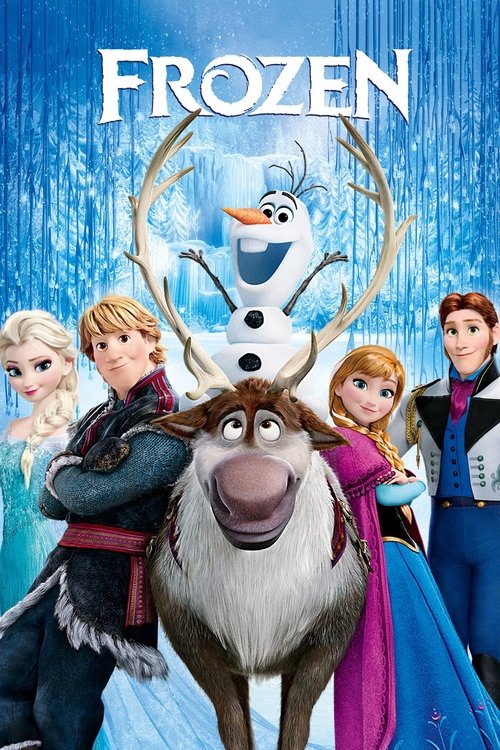
Idina Menzel's "Let It Go" works because it captures that precise moment when self-acceptance overwhelms fear of judgment. The visual transformation—hair flowing, dress changing, palace emerging—provides external representation of internal liberation that live action would render through subtle facial expressions. Animation makes the invisible visible.
The film's treatment of Anna's impulsivity reads differently when viewed through the lens of attachment theory. Kristen Bell voices a young woman whose desperate need for connection stems from emotional abandonment. Their reconciliation feels earned because the medium allows us to literally see their emotional walls crumbling.
The Philosophy of Play
Big Hero 6 tackles grief and revenge with surprising sophistication. Don Hall and Chris Williams understand that Baymax's inflatable form makes him simultaneously comical and profoundly touching. His literal deflation when damaged mirrors Hiro's emotional emptiness after his brother's death.
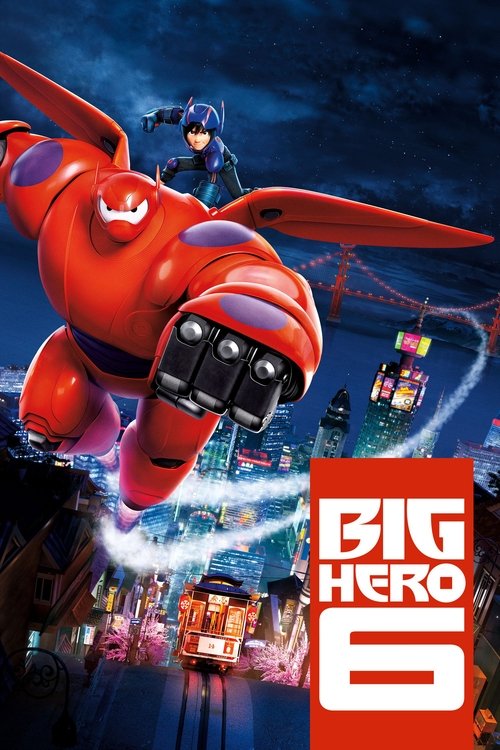
The film's San Fransokyo setting creates visual metaphor for cultural identity—East meets West in architecture that reflects character psychology. Hiro's journey from revenge to healing unfolds through action sequences that externalize internal conflict. His final choice to save rather than destroy gains power precisely because animation allows consequences to be simultaneously spectacular and intimate.
Returning to The Lego Movie: its masterstroke lies in the revelation that everything we've witnessed represents a child's imaginative play, challenged by adult rigidity. The transition between animation styles—smooth corporate perfection versus stop-motion creativity—provides visual commentary on artistic freedom that's genuinely moving. Will Ferrell's father character achieves redemption not through grand gesture but by remembering how to play.
Technical Artistry as Emotional Language
These films succeed because their directors understand that animation's technical possibilities must serve emotional storytelling. Every design choice—character proportions, color palettes, environmental textures—functions as cinematic language. Woody's faded colors tell his history. Elsa's crystalline palace reflects her psychological state. Baymax's soft edges communicate safety.
The medium allows for emotional exaggeration that would seem overwrought in live action. Characters can literally glow with happiness, shrink with shame, or expand with pride. These visual metaphors bypass our intellectual defenses and speak directly to emotional understanding.
I think we're witnessing animation's golden age—not despite its perceived childishness, but because it refuses to abandon wonder, optimism, and emotional honesty in favor of cynical sophistication. These films trust audiences to engage with complex themes wrapped in accessible packages.
Animation has quietly become cinema's most emotionally intelligent medium. While live-action tentpoles chase spectacle, animated films pursue something rarer: genuine feeling rendered through impossible beauty.
If you're curious about exploring similar films that challenge medium expectations, [CinemaSearch](https://cinemasearch.com) offers surprisingly sophisticated recommendation algorithms that can help you discover hidden gems across animation styles and decades—because honestly, there's probably a perfect animated film waiting that you've been avoiding for all the wrong reasons.