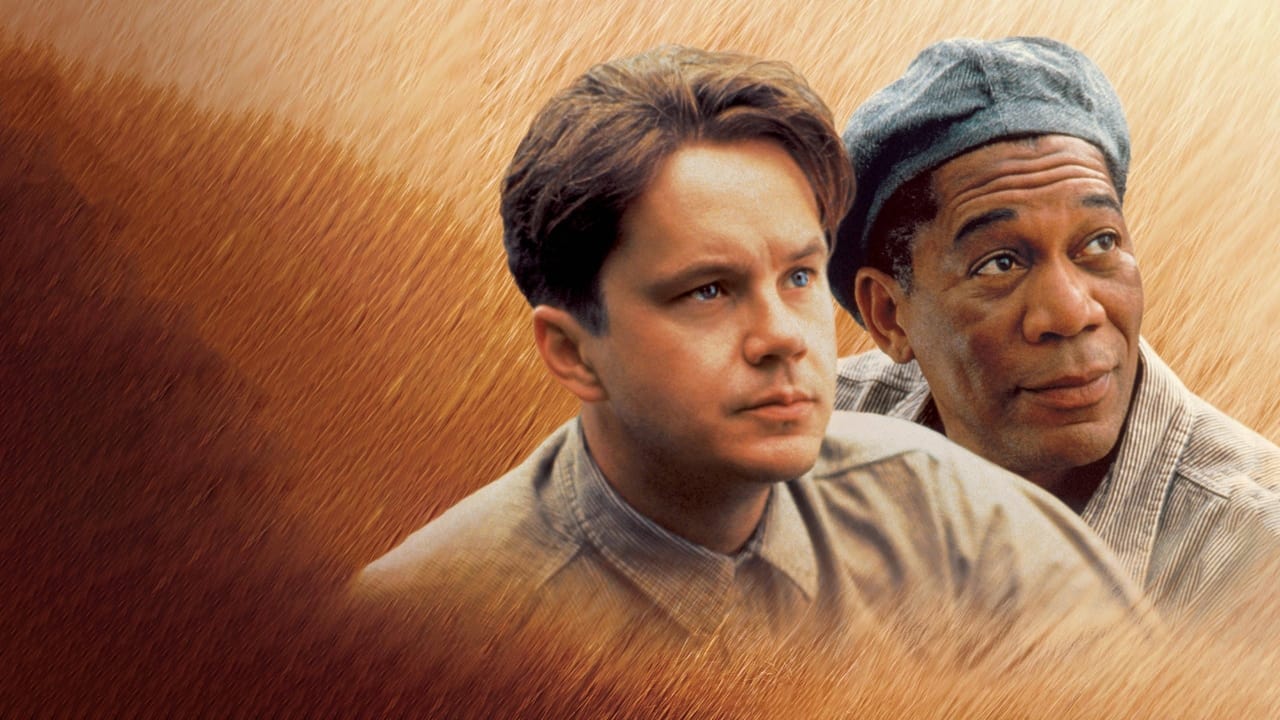
In the vast landscape of cinema, certain films transcend their era to become timeless masterpieces that resonate with audiences across generations. The highest-rated movies of all time represent more than just entertainment—they are profound explorations of the human condition, technical marvels, and storytelling triumphs that continue to influence filmmakers and move audiences decades after their initial release. These five films have earned their place at the pinnacle of cinematic achievement through their exceptional craftsmanship, universal themes, and enduring emotional impact.
The Shawshank Redemption (1994) - Hope Behind Bars
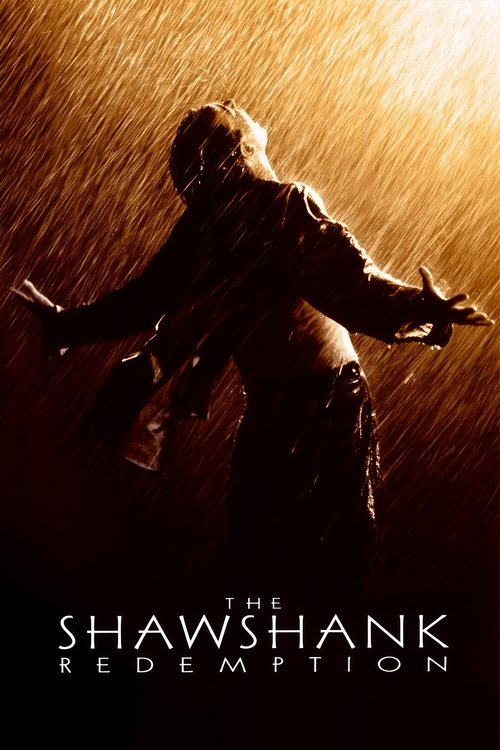
Topping the charts with an extraordinary 8.713 rating, "The Shawshank Redemption" stands as cinema's most beloved film. Directed by Frank Darabont and based on Stephen King's novella, this prison drama follows Andy Dufresne (Tim Robbins), a banker wrongly convicted of murdering his wife and her lover. Set in the 1940s at Shawshank State Penitentiary, the film chronicles Andy's friendship with fellow inmate Red (Morgan Freeman) and his gradual transformation from despair to hope.
What makes "Shawshank" a masterpiece is its profound exploration of hope, friendship, and redemption. The film's deliberate pacing allows viewers to experience the slow passage of prison time alongside its characters, while Thomas Newman's haunting score and Roger Deakins' cinematography create an atmosphere that's both oppressive and ultimately liberating. Morgan Freeman's iconic narration provides philosophical depth, turning a simple prison story into a meditation on the human spirit's resilience.
The Godfather (1972) - The Birth of Modern Crime Cinema
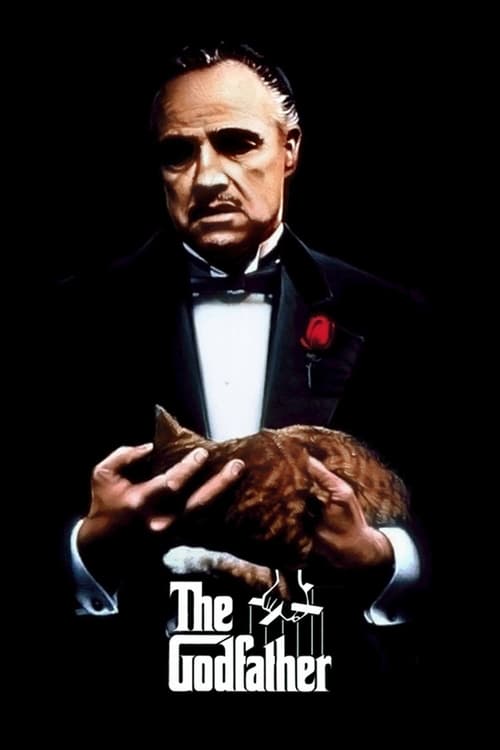
Francis Ford Coppola's "The Godfather" (8.685 rating) revolutionized American cinema and established the template for modern crime films. Spanning 1945 to 1955, this epic chronicles the Corleone crime family, focusing on patriarch Vito Corleone (Marlon Brando) and his reluctant heir Michael (Al Pacino). When Vito barely survives an assassination attempt, Michael transforms from war hero to ruthless don, launching a campaign of bloody revenge.
The film's greatness lies in its operatic scope and intimate character study. Coppola and Mario Puzo's screenplay treats the Mafia as a dark mirror of American capitalism and family values. Brando's legendary performance as Vito Corleone redefined screen acting, while Gordon Willis's shadowy cinematography created the film's distinctive visual language. "The Godfather" succeeds because it's simultaneously an immigrant family saga, a Shakespearean tragedy, and a critique of American power structures.
The Godfather Part II (1974) - Expanding the Epic
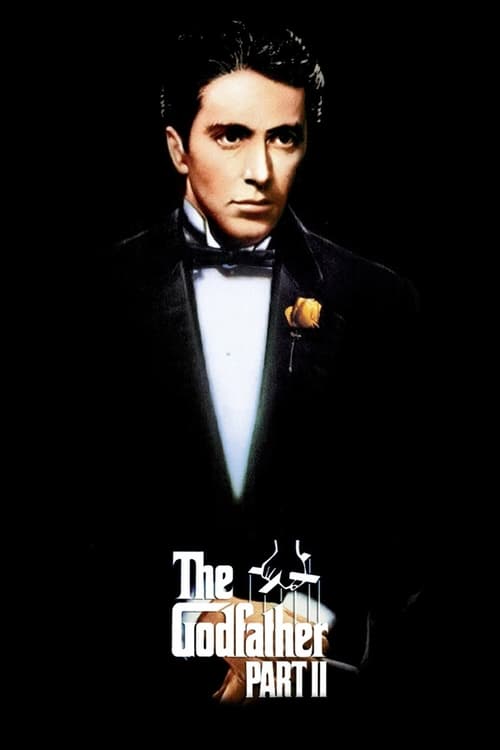
Rare among sequels, "The Godfather Part II" (8.571 rating) equals and arguably surpasses its predecessor through its innovative dual narrative structure. Coppola weaves together two timelines: young Vito Corleone's (Robert De Niro) rise in early 20th-century New York and Sicily, and Michael's (Al Pacino) 1950s expansion into Las Vegas, Hollywood, and Cuba. This ambitious structure creates a generational dialogue about power, family, and the American Dream's corruption.
The sequel's brilliance lies in its thematic complexity and emotional depth. By contrasting Vito's rise with Michael's moral decay, the film becomes a tragic meditation on how power corrupts and isolates. De Niro's performance pays homage to Brando while creating his own interpretation, and Pacino's Michael becomes increasingly Machiavellian. The film's technical achievements, from Willis's cinematography to Nino Rota's score, maintain the original's visual and musical language while expanding its emotional palette.
Schindler's List (1993) - Bearing Witness to History

Steven Spielberg's "Schindler's List" (8.565 rating) transforms the true story of businessman Oskar Schindler into a powerful testament to individual conscience during humanity's darkest hour. The film follows Schindler (Liam Neeson) as he saves over a thousand Jewish lives by employing them in his factory during World War II. What begins as profit-motivated opportunism evolves into genuine heroism as Schindler witnesses Nazi atrocities.
Spielberg's masterpiece succeeds through its unflinching portrayal of Holocaust horrors while maintaining focus on human dignity and moral courage. The film's black-and-white cinematography by Janusz Kamiński creates documentary-like authenticity, with selective color highlighting crucial moments. Neeson's nuanced performance shows Schindler's gradual transformation, while Ralph Fiennes creates one of cinema's most chilling villains in SS officer Amon Göth. John Williams's haunting score, featuring Itzhak Perlman's violin, provides emotional resonance without overwhelming the narrative.
12 Angry Men (1957) - The Power of Deliberation
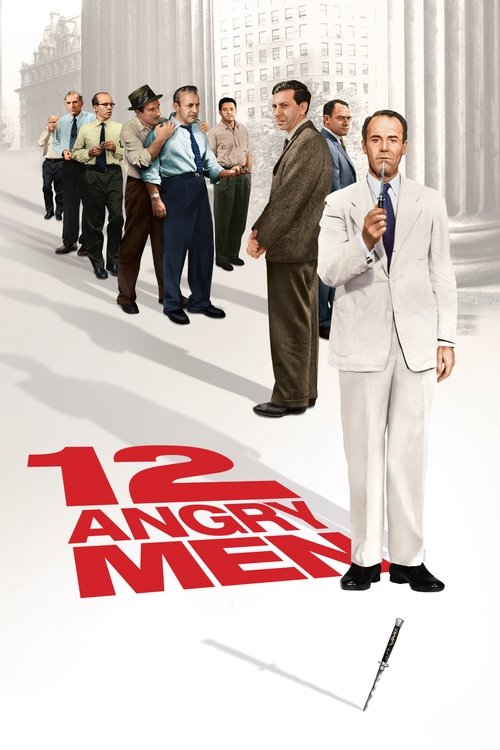
Sidney Lumet's directorial debut, "12 Angry Men" (8.549 rating), proves that great cinema doesn't require elaborate sets or special effects. Set almost entirely in a jury room, the film follows twelve jurors deliberating a young man's murder trial. What initially appears to be an open-and-shut case becomes a complex examination of prejudice, reasonable doubt, and civic responsibility as one juror (Henry Fonda) slowly convinces others to reconsider their assumptions.
The film's genius lies in its psychological realism and social commentary. Lumet's claustrophobic direction and Boris Kaufman's increasingly close cinematography create mounting tension as the jurors' prejudices and personal issues surface. Each juror represents different aspects of American society, making their deliberation a microcosm of democratic ideals. The film's exploration of justice, prejudice, and moral courage remains strikingly relevant in 2025.
The Enduring Legacy of Cinematic Excellence
These five films represent the pinnacle of cinematic achievement because they combine technical mastery with profound human insights. They tackle universal themes—hope, family, moral courage, and justice—with artistic integrity and emotional authenticity. Each film showcases exceptional performances, innovative direction, and masterful craftsmanship that continues to influence contemporary cinema.
What unites these diverse masterpieces is their commitment to storytelling that honors human complexity. Whether exploring prison walls, crime families, historical tragedy, or jury rooms, these films find profound truths in specific situations. They remind us why cinema matters: its unique ability to combine visual artistry with narrative power to create experiences that enlighten, challenge, and transform audiences.
Ready to discover more cinematic gems like these masterpieces? Use CinemaSearch to explore films with similar themes, directors, or ratings. Whether you're seeking powerful dramas, character studies, or historically significant cinema, CinemaSearch helps you find your next great movie experience tailored to your unique tastes.