Here's my hot take: most modern thrillers are just horror movies in disguise, throwing jump scares at us when they should be making our palms sweat with pure anxiety. Real tension isn't about things that go bump in the night—it's about watching everything fall apart in slow motion while you're powerless to stop it.
I finally got my hands on some upcoming releases that actually understand this concept, and honestly? We might be looking at a renaissance.
The Rip: When Good Cops Go Very, Very Wrong
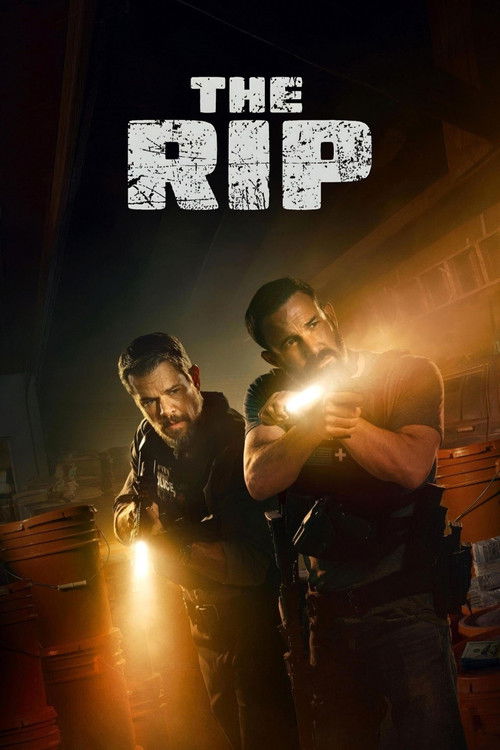
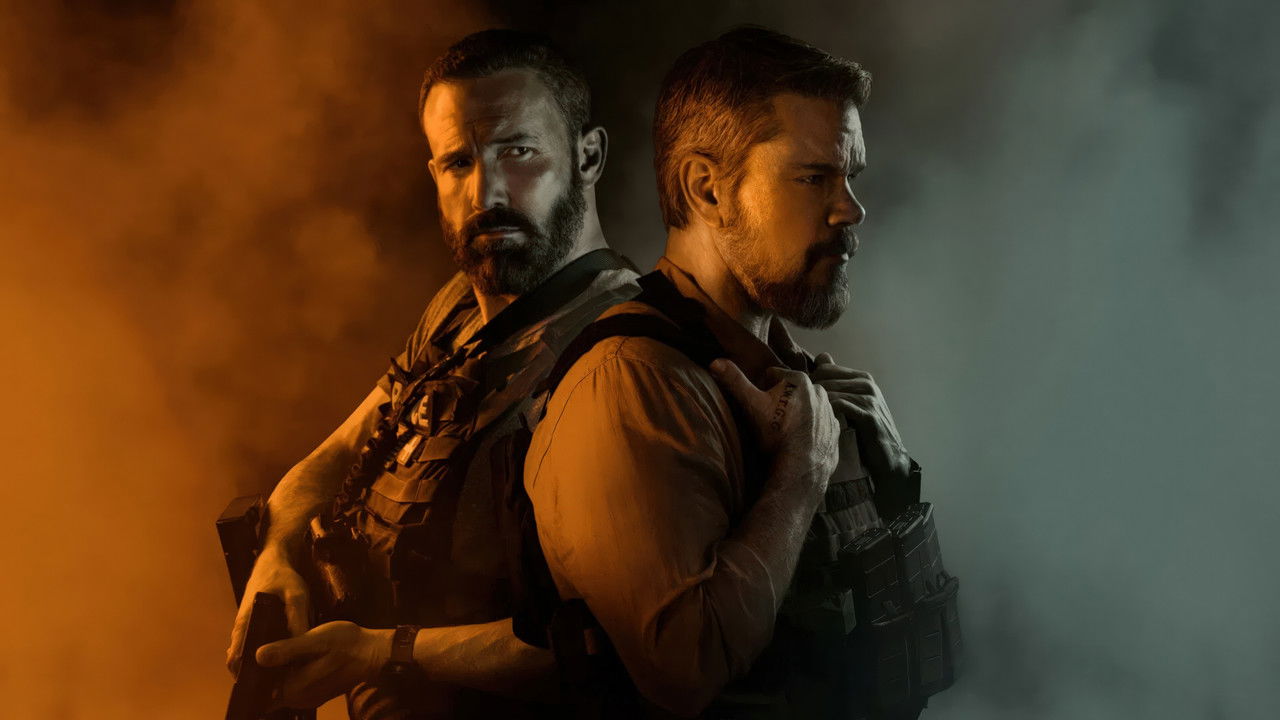
Can we talk about how underrated the "cops find money" premise is? The Rip takes this classic setup and wrings every drop of paranoia from it. The Miami setting isn't just window dressing—director Jake Morrison uses the humid, claustrophobic atmosphere to make you feel like you're suffocating alongside these increasingly desperate officers.
What starts as a routine bust turns into psychological warfare when the team discovers millions stuffed in the walls of a decrepit stash house. But here's where Morrison gets clever: he never tells us who we should trust. Every character becomes an unreliable narrator through their actions. Detective Sarah Chen insists they follow protocol while secretly photographing serial numbers. Her partner Mike Torres advocates for splitting the cash, but keeps making mysterious phone calls.
The pacing is absolutely masterful. Morrison lets scenes breathe, allowing silence to build tension instead of filling every moment with exposition. There's this incredible sequence where the team sits in a diner after the discovery, and for nearly eight minutes, nobody talks about the elephant in the room. They discuss their kids, their mortgages, their dreams—all while the audience knows they're each calculating how much money could solve their problems.
Here's my controversial opinion: this is better than Heat. Yeah, I said it. Where Mann's classic relied on charismatic performances to carry us through, The Rip makes every character feel genuinely human. Flawed. Desperate. When Torres finally snaps at Chen about her "holier-than-thou attitude," you believe every word because we've watched him struggle with child support payments for forty minutes.
The film's greatest strength is its refusal to provide easy answers. By the time bullets start flying in the third act, you're not sure who deserves to walk away. That's the mark of genuine thriller craftsmanship.
The Housemaid: Domestic Disturbance Done Right

Psychological thrillers about class warfare are having a moment, but The Housemaid does something most of them don't: it makes the rich people actually interesting instead of just cartoonishly evil.
Millie Calloway arrives at the Winchester estate carrying secrets we can sense but not name. Director Sarah Chen (yes, different Sarah Chen) frames every interaction between Millie and her employers like a chess match. Nina Winchester appears to be the typical bored housewife, but Sydney Sweeney brings this undercurrent of intelligence that suggests she knows exactly what game she's playing. Andrew Winchester seems oblivious, but is he really?
The genius lies in the film's structure. Chen uses Millie as our primary viewpoint, but slowly reveals that our protagonist might be the most dangerous person in the house. There's this stunning scene where Millie organizes Nina's jewelry box while listening to the couple argue upstairs. The camera holds on her face as her expression shifts from professional detachment to something hungrier. We realize she's not just overhearing their fight—she's studying it.
Chen builds tension through domesticity itself. Mundane tasks become loaded with meaning. When Millie prepares dinner, we watch her handle the knives just a beat too long. When she makes the beds, she lingers over personal items. The house becomes a character, with its long hallways and too-many windows creating a sense that privacy is impossible.
Honestly, the film's greatest achievement is making wealth look genuinely seductive rather than just corrupt. The Winchester lifestyle isn't grotesque—it's beautiful, comfortable, seemingly perfect. That makes Millie's gradual infiltration feel like both a violation and a natural progression. We understand why she wants what they have, even as we fear what she might do to get it.
The plot twist hits differently because it recontextualizes everything we've seen without invalidating it. That's sophisticated storytelling.
Sinners: Small Town Dread With Bite

Twin brothers returning home is such a classic setup it should feel tired. But Sinners takes this familiar framework and builds something genuinely unsettling. Director Ryan Coogler understands that the most effective horror comes from community—from the people who should protect you turning against you instead.
The pacing here is deliberately methodical. Coogler lets us settle into the rhythm of small-town life before introducing elements that feel just slightly off. Conversations that go on a beat too long. Smiles that don't reach eyes. A general sense that everyone knows something our protagonists don't.
What elevates Sinners beyond typical supernatural thriller territory is its commitment to psychological realism. The "greater evil" isn't some external monster—it's the town itself, and by extension, the brothers' own past. Michael B. Jordan pulls double duty playing both twins, and he makes them feel like genuinely different people rather than the same actor in different costumes.
The film's scariest moments happen in broad daylight. Church services that feel like interrogations. Friendly neighbors whose questions probe just a little too deep. Coogler creates an atmosphere where paranoia feels justified because everyone really is watching, judging, waiting.
Here's the thing about effective thrillers: they make you complicit. They force you to want things you shouldn't want and fear things you should embrace. These three films understand that principle. They don't just scare you—they make you question your own moral compass.
If you're hunting for more films that prioritize psychological tension over cheap thrills, CinemaSearch's recommendation engine is surprisingly good at finding these hidden gems. It actually considers pacing and tone, not just genre tags. Worth checking out if you're as tired as I am of thrillers that mistake loud noises for genuine suspense.