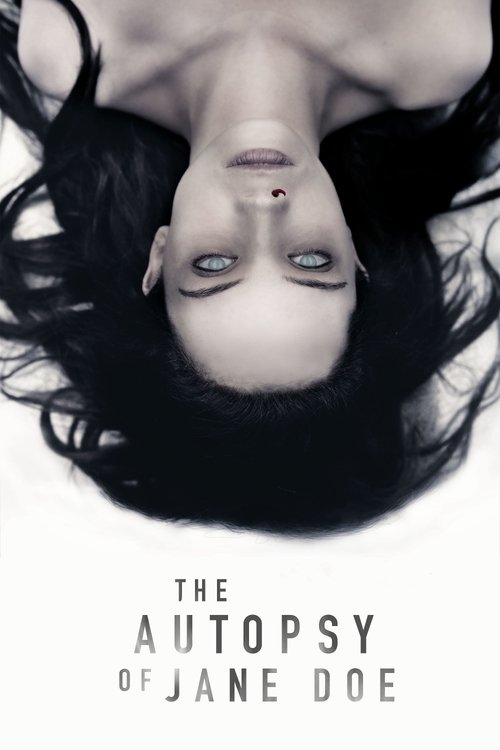
I was scrolling Netflix at 2 AM, completely unable to sleep, when I stumbled across The Autopsy of Jane Doe. Honestly? I thought it was gonna be another cheap jump-scare fest. Boy, was I wrong. This little gem turned out to be one of the most meticulously plotted mysteries I'd seen in years, and it got me thinking about what makes some mysteries feel satisfying while others leave you feeling totally cheated.
Here's the thing about fair play mysteries - they're basically a contract between filmmaker and audience. The movie promises to give you all the pieces. Your job? Put 'em together before the big reveal. Some films honor this deal religiously, others... well, let's just say they're more interested in shocking you than respecting your intelligence.
The Gold Standard: When Every Clue Counts
Look, when it comes to playing absolutely fair with the audience, Murder on the Orient Express (the 2017 Kenneth Branagh version) is textbook perfect. Yeah, I know some people prefer the 1974 version, but hear me out. Branagh's take plants every single clue right in front of you. The scratched watch. The broken chain. Those weird inconsistencies in everyone's stories.
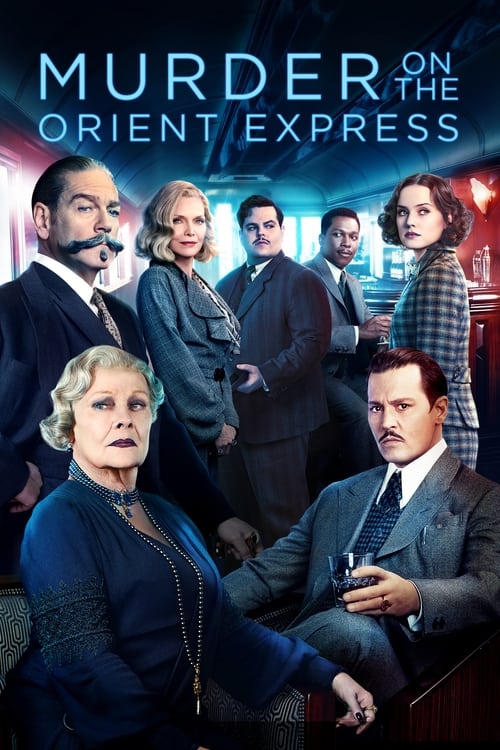
Poirot's final explanation doesn't pull anything out of thin air - it's all there from the beginning. When he reveals how the twelve passengers all participated in Ratchett's murder, you can literally go back and spot every planted detail. That's the mark of a mystery that respects its audience.
The Autopsy of Jane Doe does something similar, but in horror clothing. Directors André Øvredal gives you everything you need through the autopsy itself. The bell around Jane's ankle. The cloth in her mouth. Her perfectly preserved organs despite obvious trauma. Father-and-son coroners Tommy and Austin Tilden discover these clues methodically, and so do we. The supernatural elements don't come out of nowhere - they're built into the very fabric of who Jane Doe was and what happened to her.
The Frustrating Middle Ground
Then you've got something like Longlegs, which... honestly, I'm still torn about. Osgood Perkins crafts this incredibly atmospheric serial killer mystery that feels like it's playing fair for most of its runtime. FBI agent Lee Harker follows legitimate leads, the occult elements are established early, and Nicolas Cage's Longlegs character leaves actual clues.
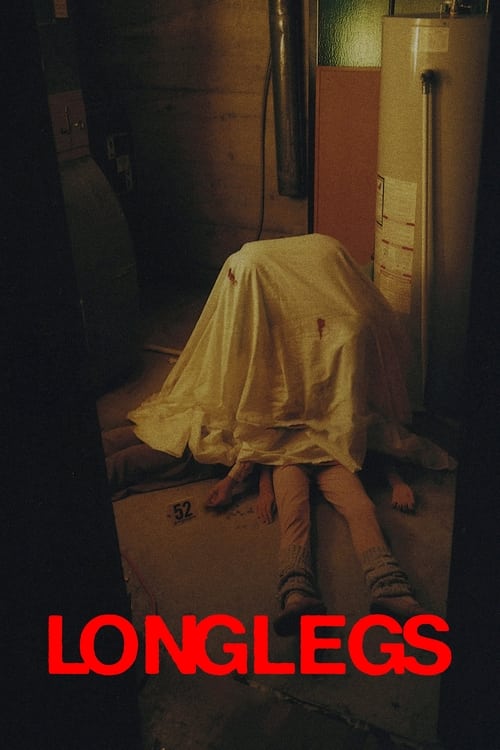
But then comes that third act reveal about Harker's mother and the whole doll situation. Some people love it, others feel like it comes outta left field. I think it technically plays fair - the clues are there if you're really paying attention - but it's borderline. The personal connection feels almost too convenient, you know?
When Atmosphere Trumps Logic
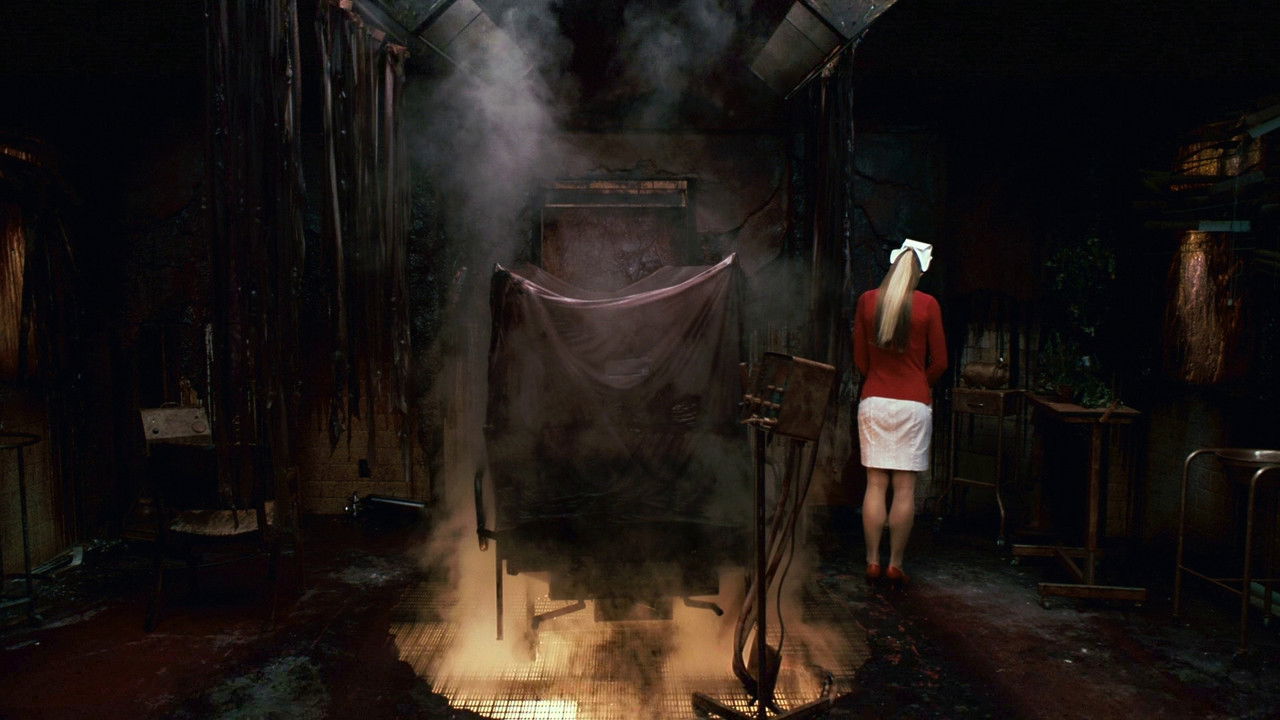
Silent Hill falls into this weird category where it's not really trying to be a traditional mystery, but it sets up all these questions about Sharon's disappearance and the town's history that you expect answers to. Christophe Gans creates this incredible nightmare landscape, and the backstory about Alessa and the cult burning is genuinely compelling.
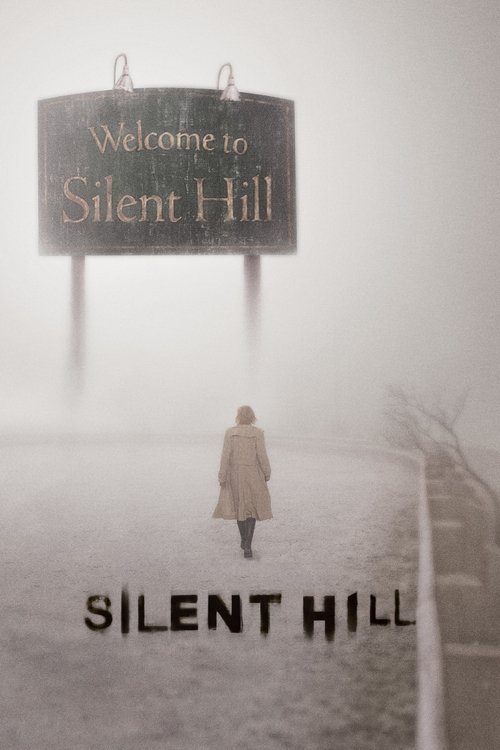
The problem? Rose's journey feels more like surviving a horror gauntlet than solving a mystery. The clues about what happened thirty years ago are scattered throughout, sure, but they're mixed in with so much surreal imagery and monster encounters that the mystery element gets lost. It's gorgeous and terrifying, but as a fair-play mystery? Not so much.
The Absolute Worst Offender
And then there's Original Sin, which... look, I know some people have a soft spot for this Antonio Banderas and Angelina Jolie thriller, but come on. This thing changes the rules every twenty minutes. Just when you think you understand who Julia/Bonny really is, the movie throws another twist that contradicts everything you've been told.
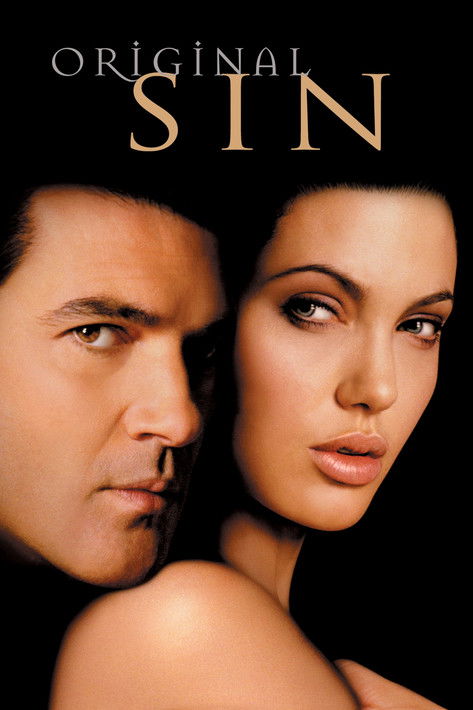
The femme fatale switcheroo could work if the clues supported it, but they don't. Characters' motivations shift based on what the plot needs in that moment, not because of any internal logic. It's the kind of mystery that thinks being unpredictable is the same as being clever. Spoiler alert: it's not.
Red Herrings vs. Cheap Shots
Here's my controversial take: red herrings are totally fine as long as they make sense in retrospect. Orient Express has plenty - you're meant to suspect various passengers before the truth comes out. But those false leads are based on real character motivations and believable circumstances.
The Autopsy of Jane Doe does this brilliantly with the initial assumption that Jane's a murder victim. The evidence supports that theory until it doesn't. When the supernatural explanation emerges, it doesn't invalidate what came before - it recontextualizes it.
Contrast that with Original Sin, where red herrings feel more like the writers changing their minds halfway through production.
The Rewatch Factor
You know what separates good mysteries from great ones? How they hold up on a second viewing. I've watched The Autopsy of Jane Doe probably five times now, and I keep noticing new details that support the eventual revelation. Same with Orient Express - Poirot's seemingly random observations make perfect sense once you know what really happened.
Silent Hill actually improves on rewatch because you're not constantly confused about what's happening - you can just appreciate the craft. Longlegs... jury's still out. I need a few more viewings to decide if those early scenes really set up the ending as well as they seem to.
Honestly, if you're looking for more mysteries that actually respect your intelligence, you might want to check out CinemaSearch. They've got this cool feature where you can filter by specific elements like "fair play mysteries" or "satisfying plot twists." Way better than just scrolling endlessly through Netflix hoping to stumble across something decent at 2 AM like I did.