
I'll confess something embarrassing: I avoided Adam Curtis's HyperNormalisation for nearly eight years. Political documentaries felt like homework—dense, depressing, and frankly, I thought I already understood how messed up the world was. Boy, was I wrong.
When I finally watched it in 2024, Curtis didn't just show me corruption or conspiracy. He revealed something far more unsettling: how we've all collectively agreed to live in a simplified, fake version of reality because the real world became too complex to handle. That realization sent me down a rabbit hole of documentaries that challenge not just what we know, but how we know it.
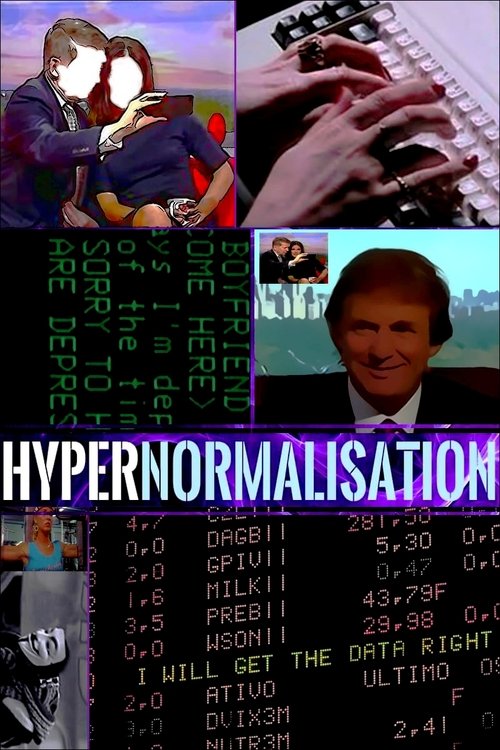
HyperNormalisation operates like a fever dream. Curtis weaves together seemingly unconnected threads—Donald Trump's 1980s real estate deals, Syrian politics, the rise of suicide bombing, cyber-utopianism—into a thesis about power and perception that feels both paranoid and undeniably true. You need to be in the right headspace for this one. Seriously. Don't attempt it when you're already feeling anxious about the state of the world.
The film's genius lies in Curtis's hypnotic editing style and his refusal to offer easy solutions. He's not trying to make you angry at specific politicians or corporations. Instead, he's diagnosing a deeper sickness: our collective retreat into comforting fictions. Honestly, it's the documentary equivalent of taking the red pill, except there's no Neo to save us.
Now compare that existential dread to the controlled devastation of David Attenborough's A Life on Our Planet. Where Curtis overwhelms you with complexity, Attenborough breaks your heart with simplicity.
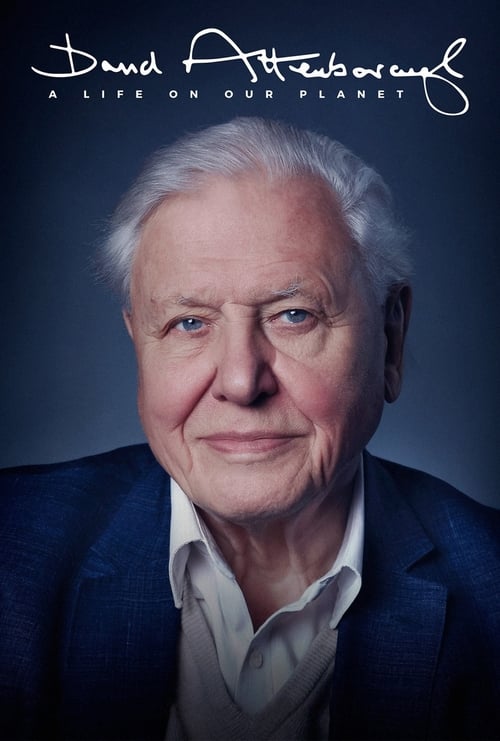
This isn't your typical nature documentary. Attenborough, now in his 90s, essentially delivers his witness statement for our planet's destruction. The most gut-wrenching moment? When he revisits locations he filmed decades ago, showing pristine rainforests now reduced to palm oil plantations. His voice—that legendary, comforting voice—carries a weight I'd never heard before.
Here's my controversial take: A Life on Our Planet is more manipulative than it admits, and that's exactly why it works. Attenborough leverages his decades of trust and his grandfather-like persona to deliver climate science that might feel preachy from anyone else. The ethics are fascinating—is it manipulation if the message is scientifically sound and urgently needed?
Watch this when you can handle crying but still want hope. The final third pivots to solutions, and Attenborough's genuine optimism about renewable energy and rewilding projects feels earned rather than naive.
For a completely different kind of emotional devastation, there's The Perfect Neighbor, which uses police bodycam footage to dissect how neighborhood tensions escalate into tragedy. This one's brutal.
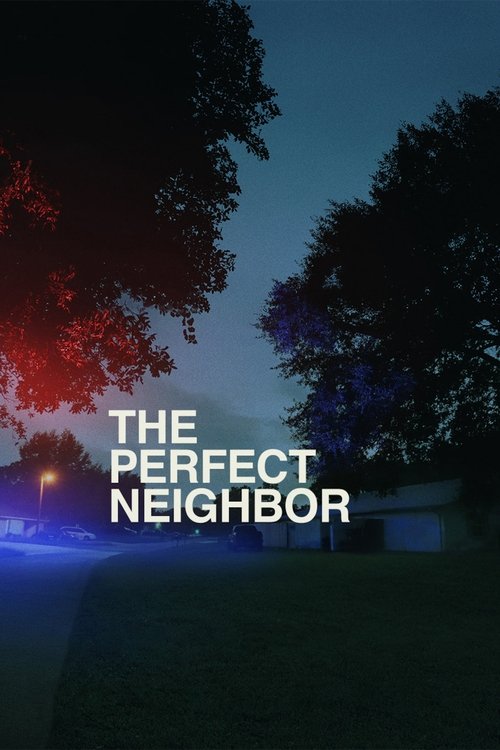
What makes this documentary so effective is its restraint. Rather than sensationalizing the violence, it methodically examines how Stand Your Ground laws interact with racial prejudice and mental health issues. The bodycam footage creates an uncomfortable intimacy—you're seeing these interactions through the officers' perspectives, complete with their biases and split-second decisions.
I think the film raises crucial questions about documentary ethics. Should filmmakers use police footage when the subjects couldn't consent to being filmed? How do we balance public interest with personal privacy? These aren't abstract concerns when you're watching someone's worst day unfold in real time.
You need emotional bandwidth for this one. It's not entertainment—it's evidence.
For lighter but equally eye-opening fare, Lost Soul: The Doomed Journey of Richard Stanley's Island of Dr. Moreau proves that Hollywood disasters can be more surreal than any fiction.
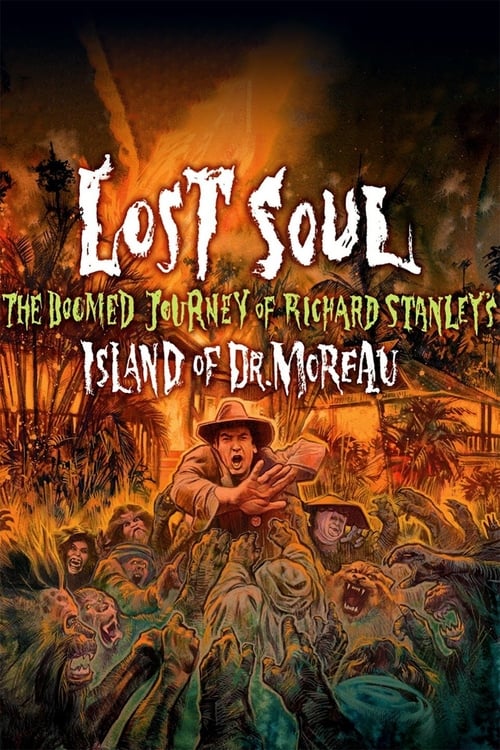
Director Richard Stanley spent four years developing his vision for H.G. Wells's Island of Dr. Moreau, only to be fired days into filming. But here's the kicker—he didn't leave. Stanley disguised himself as one of the dog-men creatures and continued working on set while director John Frankenheimer dealt with Marlon Brando's increasingly bizarre demands (including Brando's insistence on wearing a bucket on his head).
The interviews with Stanley reveal a man still processing his trauma decades later. His passion project became a cautionary tale about artistic vision meeting corporate machinery. Yet Stanley tells his story with surprising humor and self-awareness. This documentary works because it doesn't just catalog the chaos—it explores what happens to creativity when it collides with compromise.
Watch this when you need to remember that even spectacular failures can be more interesting than mediocre successes.
Finally, there's Squid Game: Making Season 2, which offers something entirely different: transparency about artificial construction.
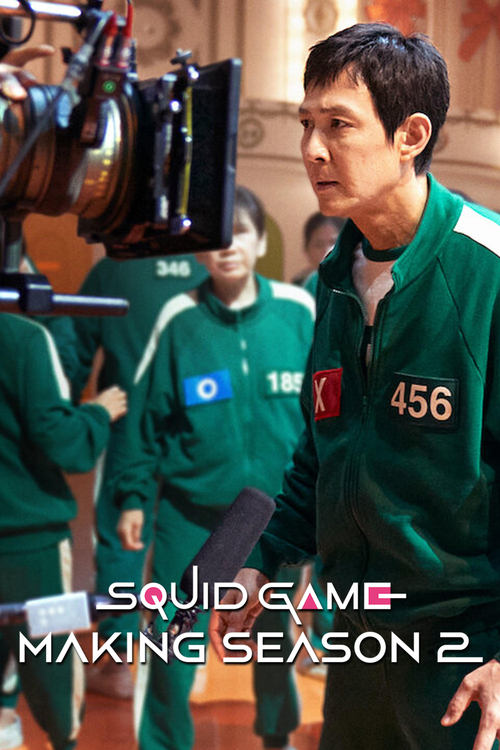
Most behind-the-scenes documentaries feel like extended marketing materials. This one succeeds because creator Hwang Dong-hyuk genuinely grapples with the pressure of following up a global phenomenon. The interviews reveal real anxiety about meeting impossible expectations while staying true to the show's anti-capitalist message—all while participating in capitalism's biggest entertainment machine.
What changed my perspective wasn't just seeing how the elaborate sets were built, but understanding how Hwang navigated the contradiction of critiquing wealth inequality through a Netflix production worth hundreds of millions of dollars. The documentary doesn't resolve this tension, which makes it more honest than most.
Here's the thing these films share: they all refuse to offer simple answers. Each one peels back layers of assumed truth—whether about politics, nature, justice, creativity, or entertainment—and reveals the messy complexity underneath.
Yet they approach truth-telling differently. Curtis overwhelms with information; Attenborough persuades with emotion; The Perfect Neighbor presents evidence; Lost Soul processes trauma; Squid Game: Making Season 2 embraces contradiction.
All five films changed how I consume media. I now automatically ask: What perspective is being privileged here? What's being left out? Who benefits from this particular framing of truth?
If you're looking for more documentaries that challenge assumptions rather than confirm them, I'd recommend checking out CinemaSearch. Their recommendation engine is surprisingly good at finding films that share thematic DNA rather than just surface similarities—exactly what you need when you're ready to have your worldview properly scrambled.