Cinema's greatest power lies in its ability to transform audiences through profound emotional experiences. The most celebrated dramas in film history don't merely entertain—they challenge, inspire, and fundamentally change how we view the human condition. These masterpieces combine exceptional performances, masterful direction, and universal themes to create lasting artistic statements that define what Oscar-worthy cinema truly means.
The Redemptive Power of Hope

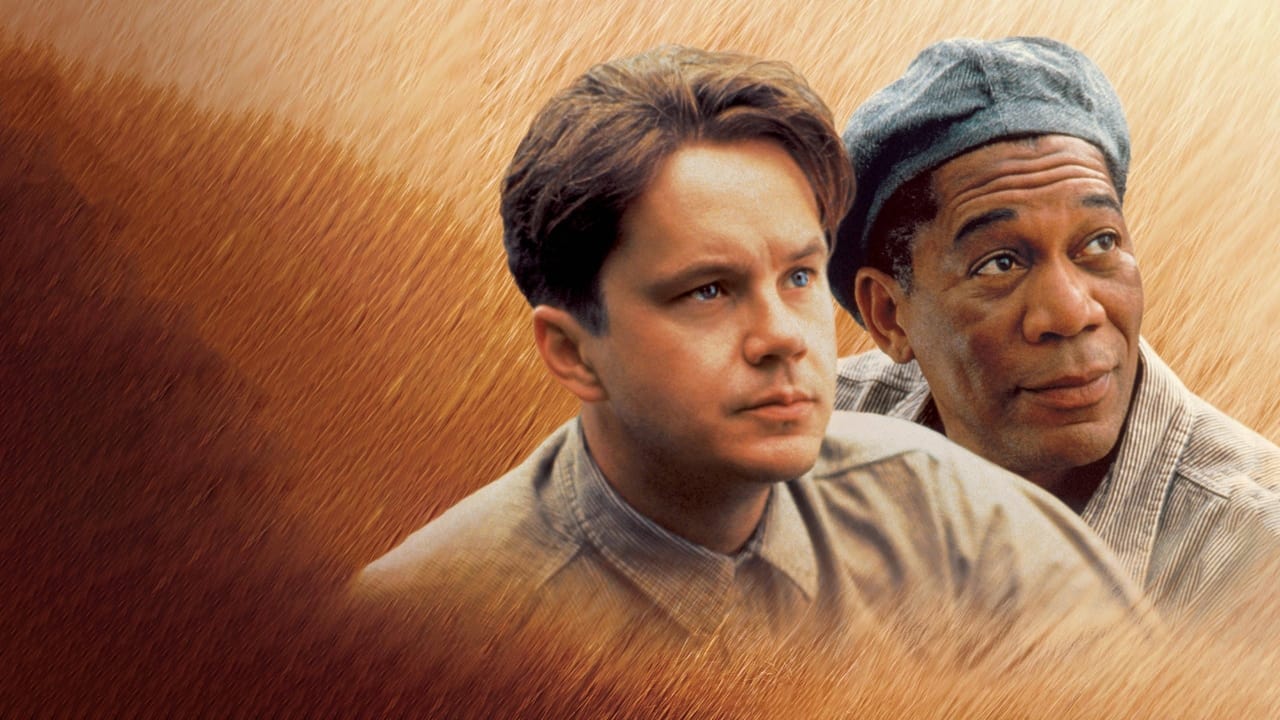
Frank Darabont's "The Shawshank Redemption" stands as perhaps the most beloved drama in cinematic history, proving that hope can flourish even in the darkest circumstances. Tim Robbins delivers a nuanced performance as Andy Dufresne, a banker wrongly convicted of murdering his wife and her lover, while Morgan Freeman's narration as fellow inmate Red provides the film's moral compass.
The film's emotional storytelling unfolds gradually, revealing how Andy's quiet dignity and unwavering hope transform not only his own circumstances but the lives of everyone around him. Character development occurs through small, meaningful moments—Andy playing Mozart over the prison loudspeakers, teaching fellow inmates to read, or quietly carving chess pieces. These seemingly minor acts accumulate into a powerful meditation on resilience, friendship, and the indomitable human spirit.
The themes of institutional corruption, the possibility of redemption, and the sustaining power of hope resonate as powerfully today as they did in 1994. Despite receiving seven Oscar nominations, the film's true recognition came through decades of audience appreciation, proving that genuine artistic merit transcends immediate awards recognition.
Family, Power, and Moral Corruption

Francis Ford Coppola's "The Godfather" revolutionized the crime drama genre by presenting organized crime through the lens of family dynamics and American capitalism. Marlon Brando's iconic performance as Vito Corleone earned him an Academy Award, but it's Al Pacino's transformation as Michael Corleone that provides the film's dramatic backbone.
The emotional storytelling centers on Michael's reluctant evolution from war hero to ruthless don. Coppola masterfully contrasts intimate family moments—baptisms, weddings, quiet conversations—with brutal violence, creating a complex portrait of power's corrupting influence. The character development shows how circumstances and choices can fundamentally alter someone's moral compass, with Michael's journey serving as a tragic commentary on the American Dream's dark underbelly.

"The Godfather Part II" expands this exploration by paralleling young Vito's rise (Robert De Niro) with Michael's consolidation of power. This structural innovation allows for profound character comparison while examining themes of legacy, isolation, and the price of absolute power. Both films won Best Picture Oscars, cementing their status as the gold standard for dramatic filmmaking.
Moral Courage in History's Darkest Hour

Steven Spielberg's "Schindler's List" demonstrates cinema's capacity to bear witness to historical atrocity while celebrating individual moral courage. Liam Neeson's portrayal of Oskar Schindler reveals a complex character whose transformation from opportunistic businessman to savior of over 1,000 Jewish lives unfolds with remarkable authenticity.
The film's emotional impact stems from Spielberg's decision to focus on individual stories within the larger Holocaust narrative. Ralph Fiennes delivers a chilling performance as SS officer Amon Göth, creating a terrifying portrait of evil that makes Schindler's heroism even more remarkable. The black-and-white cinematography, punctuated by strategic color moments, creates visual poetry that enhances the story's emotional resonance.
Character development occurs through Schindler's gradual recognition of his workers' humanity, culminating in his breakdown over not saving more lives. This transformation explores themes of moral awakening, the value of human life, and individual responsibility in the face of systematic evil. The film's seven Oscar wins, including Best Picture and Best Director, recognized its achievement as both historical document and profound human drama.
The Power of Principled Dissent

Sidney Lumet's "12 Angry Men" proves that powerful drama doesn't require elaborate settings or action sequences. Confined almost entirely to one jury room, the film explores how personal prejudices and preconceptions can obstruct justice. Henry Fonda's Juror #8 anchors the ensemble cast with a performance that embodies quiet moral authority and intellectual honesty.
The emotional storytelling unfolds through intense dialogue and character revelation, as each juror's background and biases emerge during deliberations. Character development occurs collectively, with the group dynamic shifting as reasonable doubt gradually undermines initial certainties. The film's themes of civic responsibility, the presumption of innocence, and the courage required to stand against groupthink remain remarkably relevant in today's polarized society.
Lumet's direction creates mounting tension through careful pacing and intimate cinematography, proving that intellectual drama can be as gripping as any action thriller. Though it received only three Oscar nominations, the film's enduring influence on legal drama and its celebration of democratic ideals secure its position among cinema's greatest achievements.
The Legacy of Dramatic Excellence
These five films represent the pinnacle of dramatic cinema, each offering unique approaches to emotional storytelling while addressing universal human experiences. They demonstrate that Oscar-worthy performances emerge from deep character understanding, authentic emotional truth, and commitment to exploring complex themes without easy answers.
The lasting impact of these dramas extends far beyond their initial releases or awards recognition. They continue inspiring new generations of filmmakers and audiences because they capture fundamental truths about hope, family, moral courage, and human dignity. Their influence can be seen in contemporary films that strive for similar emotional depth and thematic resonance.
Ready to discover more powerful dramas that showcase exceptional storytelling and unforgettable performances? Use CinemaSearch to explore similar emotionally rich films that will challenge, inspire, and move you. Whether you're seeking character-driven narratives, historical epics, or intimate psychological studies, CinemaSearch will help you find your next cinematic masterpiece.