
"The butler did it."
Roll your eyes all you want, but I still remember the exact moment I realized mystery movies could be brilliant. Sitting in a cramped dorm room at 2 AM, watching Knives Out for the third time, frantically pausing to scribble notes about sweater patterns and medication bottles. My roommate thought I'd lost it. "It's just a movie," she said. Just a movie? This was a perfectly constructed puzzle box disguised as entertainment.
Here's the thing everyone gets wrong about mystery films: they think it's all about the twist. The shocking revelation. The gotcha moment that makes you feel stupid for not seeing it coming. But that's exactly backwards. The best mysteries make you feel smart when you crack them.
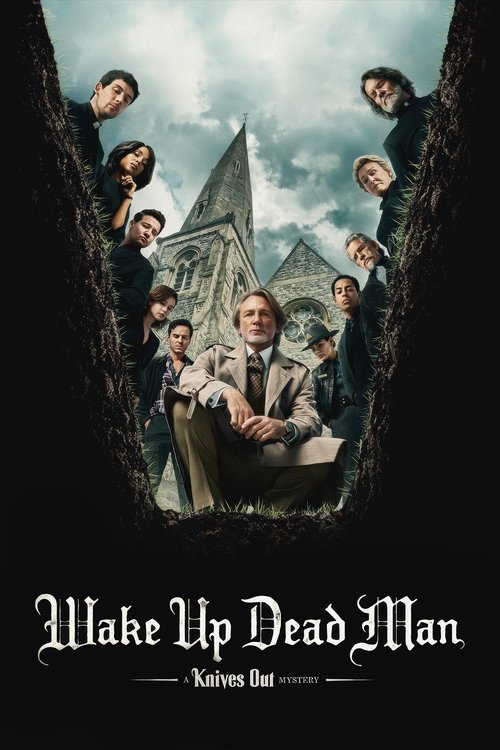
Wake Up Dead Man: A Knives Out Mystery understands this perfectly. Rian Johnson's latest Benoit Blanc adventure drops our favorite detective into a religious community where nothing is as holy as it seems. When Monsignor Jefferson Wicks becomes the center of an "impossible" murder, every conversation between young priest Jud Duplenticy and the charismatic clergyman suddenly carries double meaning. Johnson plants his clues like breadcrumbs – visible if you're looking, invisible if you're not. The genius lies in making you want to look.
Unpopular opinion: I actually prefer this religious setting to the tech-bro mansion of the original. There's something deliciously subversive about watching Daniel Craig's genteel detective navigate confessionals and communion wine. Plus, the closed-community aspect creates natural pressure. Everyone has secrets. Everyone has motives. The question isn't who could have done it – it's who couldn't.
But fair-play mysteries aren't just about prestigious prestige dramas. Take Zootopia 2, which sounds ridiculous until you realize the original was one of the smartest detective stories Disney ever made. Gary De'Snake's arrival turns the animal metropolis into a conspiracy thriller where every species-based assumption becomes a potential red herring.
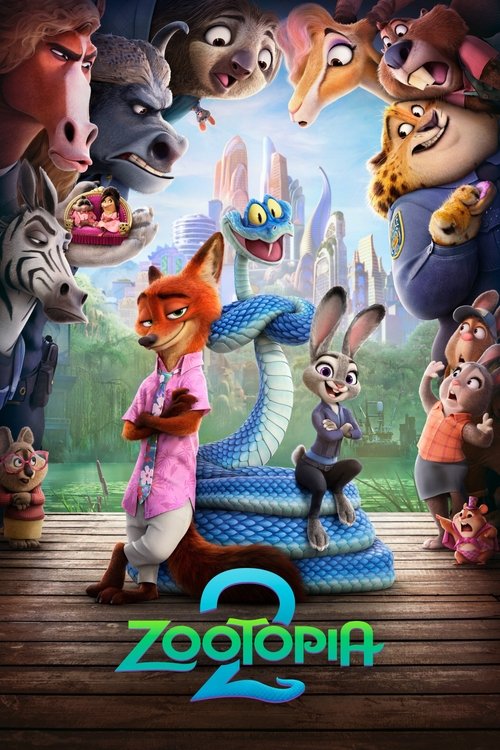
What I love about Judy Hopps and Nick Wilde going undercover is how it literalizes the mystery genre's core appeal: nothing is what it seems. That rabbit might be the predator. That fox might be the prey. Animation gives the filmmakers permission to make visual puns into actual clues – a luxury live-action mysteries rarely afford themselves.
Honestly? The original Zootopia reward multiple viewings better than most adult thrillers. Mayor Lionheart's nervous tics make perfect sense once you know what he's hiding. Assistant Mayor Bellwether's helpful suggestions become chilling manipulations. Every frame serves the story twice.
That's what separates fair-play mysteries from cheap trick factories. A good mystery doesn't just work backwards from its solution – it works forwards and backwards simultaneously. Every red herring serves a purpose. Every false clue reveals something true about character or world.
Now You See Me: Now You Don't struggles with this balance, and I think it's because the magic metaphor actively fights against fair play. Magic tricks should deceive you. Mystery plots shouldn't. When Veronika Vanderberg's diamond empire collides with both generations of Four Horsemen, the film can't decide whether it wants to be a heist movie or a detective story.
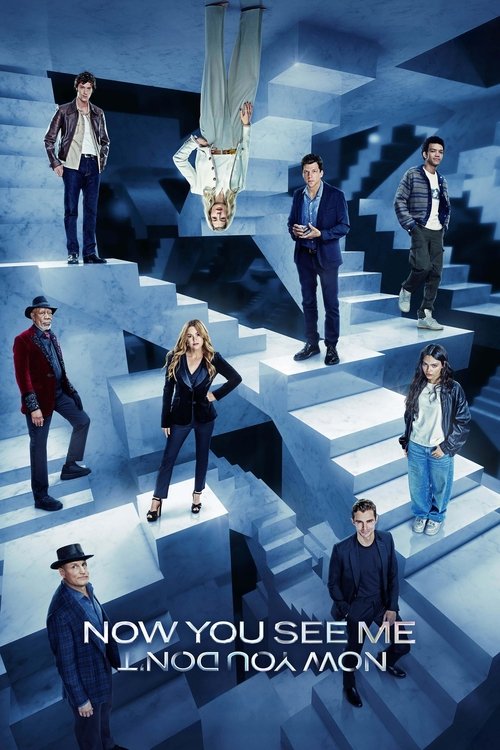
The tension between new and old magicians creates compelling drama, but the mystery mechanics feel arbitrary. Why should we try to solve a puzzle when the rules keep changing? I appreciate the ambition of combining illusion with investigation, but honestly, the movie works better when it abandons mystery pretenses and embraces pure spectacle.
Contrast that with Weapons, which uses its high-concept premise – an entire class of children vanishing simultaneously – to examine how communities construct meaning from chaos. When everyone but one child disappears at exactly the same time, the mystery becomes existential. What kind of clues do you look for when the crime itself defies logic?
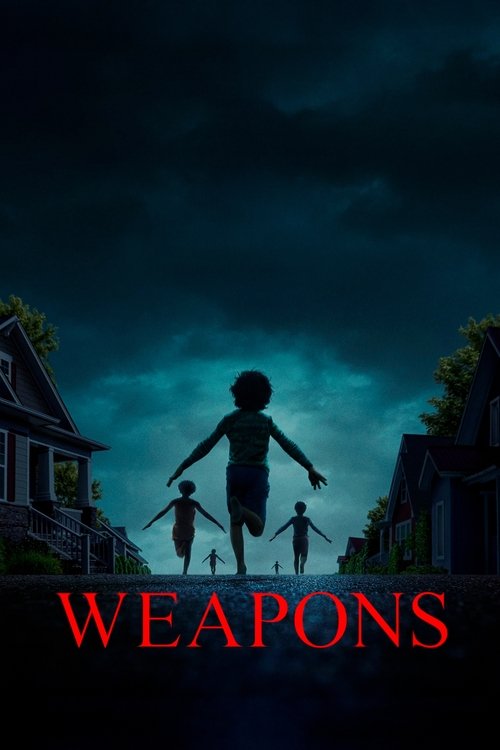
The brilliance lies in making the impossible feel inevitable. Every parent interview, every security camera angle, every timeline reconstruction builds toward something that shouldn't make sense but absolutely does. It's Picnic at Hanging Rock for the social media age – haunting precisely because it offers answers without comfort.
Then there's Final Destination: Bloodlines, which flips the mystery formula entirely. Stefanie's violent recurring nightmares aren't clues to a past crime – they're warnings about future deaths. The detection becomes prevention. Can you solve a mystery that hasn't happened yet?
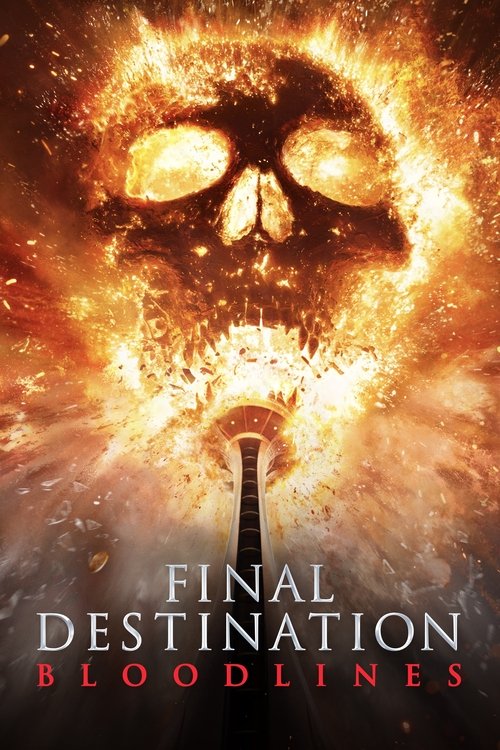
What fascinates me about this approach is how it maintains fair-play principles while inverting expectations. Death's elaborate Rube Goldberg contraptions follow logical cause-and-effect – you just have to think forwards instead of backwards. The family curse element adds generational weight that previous Final Destination films lacked. Why do these nightmares run in bloodlines? What did previous generations do or fail to do?
The best mysteries understand that solving the puzzle is only half the satisfaction. Understanding why it needed solving completes the experience. Great detectives don't just catch killers – they restore moral order to chaotic worlds.
Mystery movies that play fair respect your intelligence enough to give you the same information as the detective. They trust you to think. To question. To theorize and revise and theorize again. Sure, you might not crack the case before the big reveal, but you'll kick yourself for missing clues that were hiding in plain sight.
Want to discover more mysteries that actually reward careful viewing? I've been using CinemaSearch lately to find films with similar themes and storytelling approaches. Their recommendation engine seems to understand that if you love one fair-play mystery, you'll probably appreciate others that respect the audience's intelligence. Sometimes the best puzzles are the ones that dare you to solve them.