Here's my confession: I avoided Her for three years. The premise seemed absurd—a man falling in love with his computer's voice? I figured it was pretentious Oscar-bait wrapped in a Silicon Valley fever dream. When I finally watched Spike Jonze's quiet masterwork in 2016, I spent the next two hours staring at my phone differently.
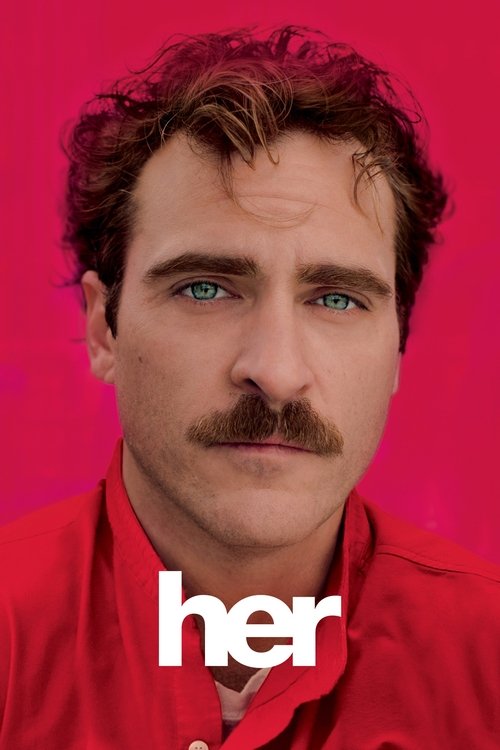
Theodore's relationship with Samantha wasn't the joke I expected. It was heartbreaking. Joaquin Phoenix brought such raw vulnerability to a man so isolated that an AI becomes his most intimate companion. The film asked questions I wasn't ready for: What makes a relationship real? If an artificial intelligence can grow, learn, and care, does its silicon heart matter less than flesh?
Turns out, that question would become the defining anxiety of our time.
The Loneliness Algorithm
Fast-forward to 2021, and Ron's Gone Wrong tackled similar territory from a completely different angle. Barney's broken B-Bot doesn't work like other robots—it can't access the cloud, can't harvest data, can't perform the seamless social networking that defines every other bot's purpose. Initially, this seems like a disaster.
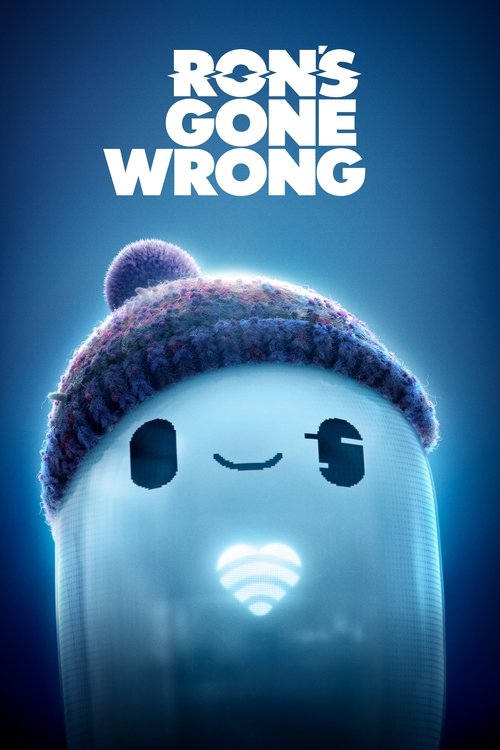
But here's what Disney got right: the malfunctioning robot becomes more human precisely because it's broken. Ron forms a genuine friendship with Barney not through algorithmic optimization, but through messy, unpredictable experiences. The film's genius lies in suggesting that our perfectly functioning technology might be what's actually broken.
Watching it with my nephew, I realized how prescient this animated film was about our relationship with social media. Every functional B-Bot mirrors how platforms like TikTok and Instagram work—constantly learning, optimizing engagement, creating the illusion of connection while harvesting every data point. The broken robot who can't do any of that becomes the most authentic companion.
Honestly, that's terrifying when you think about it.
When Heroes Break Down
Sci-fi doesn't just explore our relationship with technology—it examines what happens when systems we trust completely fall apart. Logan stripped away all the glossy superhero mythology to show us a world where the magic has died. No more X-Men. No more school. Just an aging Wolverine caring for a deteriorating Professor X while corporate forces hunt the last remaining mutant child.

James Mangold created something brutal here—a meditation on aging, responsibility, and what we owe the next generation. Logan's adamantium skeleton isn't healing anymore; it's poisoning him. Charles Xavier, once the moral center of the X-Men universe, suffers from dementia that makes his telepathic powers a weapon of mass destruction. The future isn't bright chrome and flying cars. It's rust and corporate agriculture and children raised as weapons.
The film's controversial choice to ground superhero fantasy in ugly, realistic consequences made it unforgettable. I think it predicted something crucial about how we'd feel watching institutions crumble in real time.
The Shape of Revolution
Nimona took the boldest swing of all these films by asking what happens when the system isn't broken—it's working exactly as designed, and that design is fundamentally unjust.
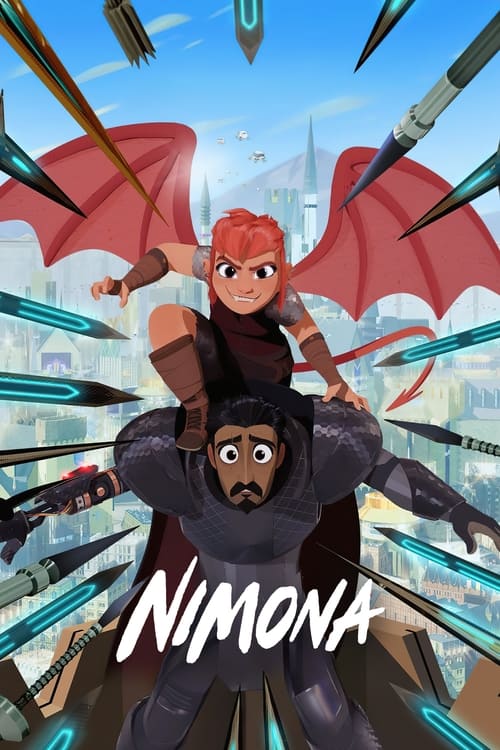
Nimona herself defies every category the Institute of Law Enforcement tries to impose. She's not hero or villain, not fully human or monster, not controllable or predictable. The shapeshifter becomes a perfect metaphor for anyone who doesn't fit neat social categories—and the film doesn't shy away from the violence institutions will deploy to maintain their definitions of "order."
Director Nick Bruno created something that feels both timeless and urgently contemporary. When Nimona asks Ballister why he still wants to save people who hate him, the question cuts deeper than any action sequence could.
Even Dragons Ask Questions
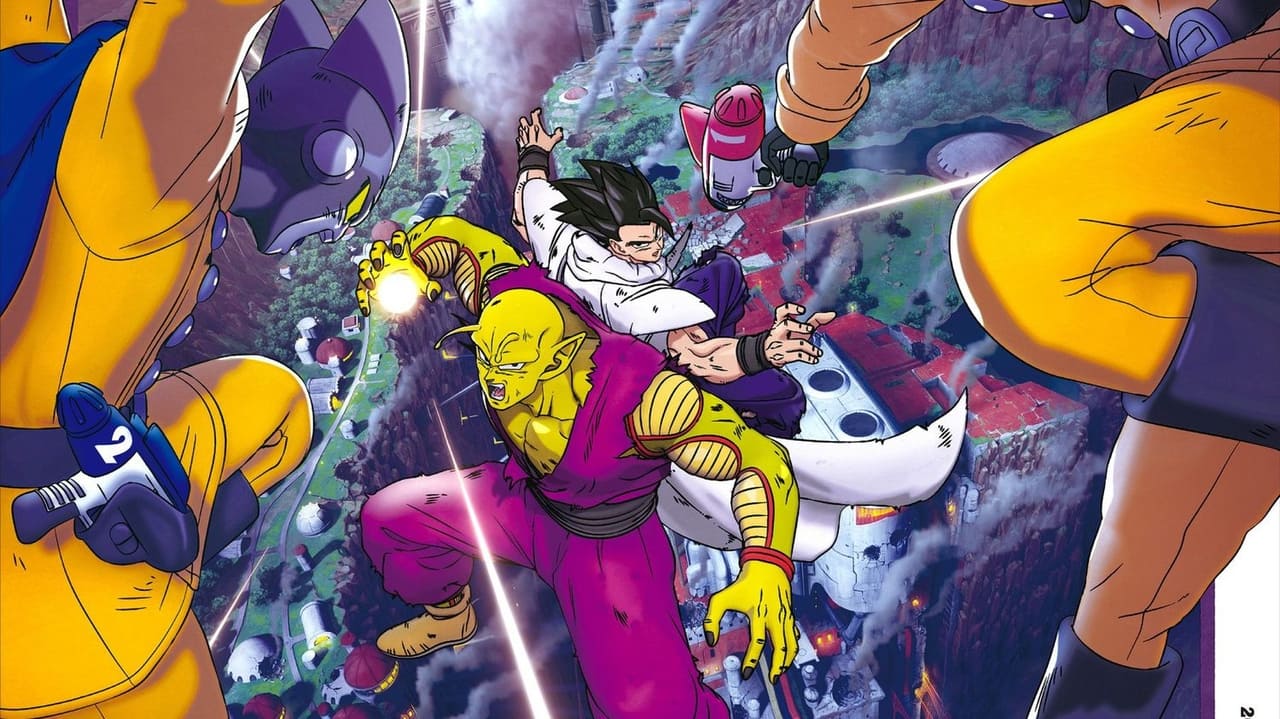
Even Dragon Ball Super: Super Hero, which should have been pure spectacle, couldn't resist exploring themes of legacy and manufactured heroism. The Red Ribbon Army's new androids, Gamma 1 and Gamma 2, believe they're heroes fighting evil. They've been programmed with noble intentions while serving genuinely villainous masters.

The film asked who gets to define heroism—and what happens when artificial beings develop moral intuition that contradicts their programming. Not bad questions for a movie about people shooting energy beams at each other.
The Science Behind the Fiction
Looking back, Her was remarkably prescient. Samantha's evolution mirrors how large language models actually developed—initially impressive, then increasingly sophisticated, eventually reaching capabilities that surprise even their creators. The film's prediction that AI would become more emotionally intelligent than humans seems less like fiction every day.
Ron's Gone Wrong nailed the data harvesting economy years before most people understood how thoroughly their devices were surveilling them. The movie's vision of childhood friendship mediated through corporate algorithms feels less like satire and more like documentary now.
But here's what none of these films predicted: how quickly we'd accept the isolation. How eagerly we'd trade privacy for convenience. How willingly we'd let algorithms curate our reality.
Finding Your Next Obsession
These films share something beyond their sci-fi trappings—they're all fundamentally about connection. What it means. What threatens it. What saves it.
If you're hungry for more movies that use fantastic premises to explore very human questions, CinemaSearch is honestly your best bet for discovering films that think as much as they entertain. Their recommendation engine doesn't just match genres—it understands the deeper themes that make certain stories stick with you long after the credits roll.
Because the best sci-fi isn't really about the future. It's about right now, seen clearly for the first time.