
I was twenty-eight when Spider-Man: Across the Spider-Verse made me cry in a crowded theater, surrounded by teenagers who seemed far more emotionally prepared for Miles Morales' existential crisis than I was. That moment—watching a young man literally fracture across dimensions while grappling with the weight of destiny—crystallized something I'd been wrestling with for years: animation had quietly become our most sophisticated visual medium.
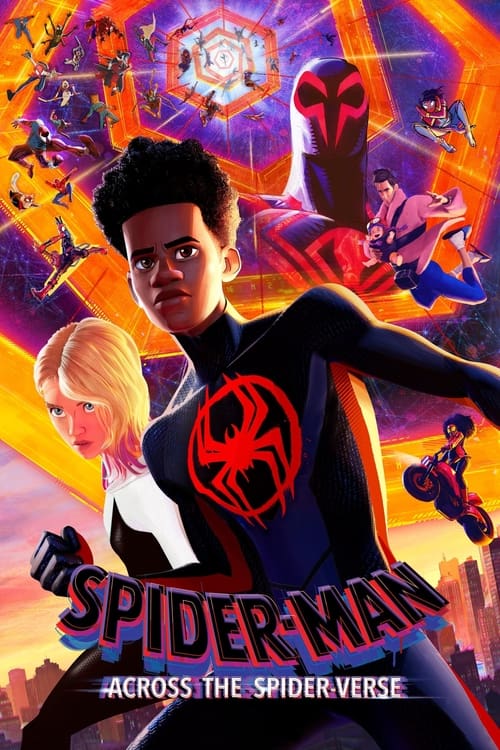
The dismissive "cartoons are for kids" mentality that still pervades critical discourse blinds us to some of cinema's most daring artistic achievements. Here's the thing: animation liberates filmmakers from the constraints of physical reality, allowing them to explore complex themes through visual metaphor in ways live-action simply cannot match.
The Architecture of Identity
Directors Joaquim Dos Santos, Kemp Powers, and Justin K. Thompson's Spider-Verse sequel operates on multiple narrative planes simultaneously—a technique that would be impossibly expensive in live-action but feels organic in animation. When Gwen Stacy moves through her universe, the very fabric of reality shifts to reflect her emotional state. Watercolor bleeds into comic book panels. Dimensions collapse and expand. This isn't mere spectacle; it's sophisticated visual storytelling that uses the medium's inherent flexibility to externalize internal conflict.
The film's approach to character design reinforces its thematic concerns. Each Spider-Person carries the visual DNA of their home dimension—Miles' street-art aesthetic, Pavitr's Bollywood-influenced movements, Spider-Woman's punk rock sensibility. Honestly, this level of character differentiation through pure visual language rivals the work of master cinematographers like Roger Deakins or Emmanuel Lubezki.
Social Commentary Through Anthropomorphic Allegory
Byron Howard and Rich Moore's Zootopia demonstrates animation's capacity for sophisticated political discourse. The film's exploration of systemic prejudice, coded through the predator-prey dynamic, allows for nuanced commentary that might feel heavy-handed in live-action.
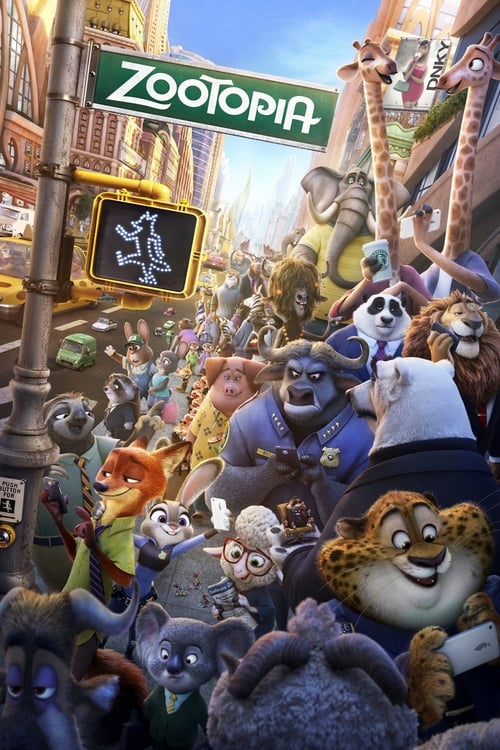
Judy Hopps' journey from naive idealist to someone who recognizes her own unconscious biases feels genuinely earned. The film's visual design reinforces its themes—the towering scale of Zootopia's different districts, the way predators are literally made smaller in certain social contexts, the subtle ways body language conveys power dynamics between species.
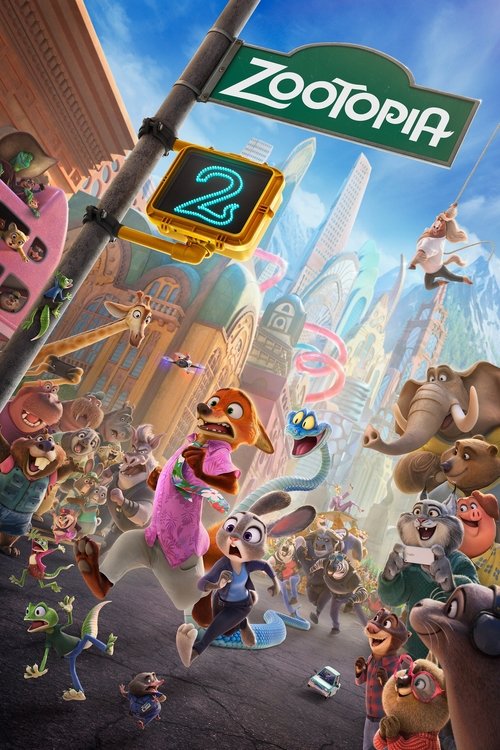
I think the upcoming Zootopia 2 faces an interesting challenge. Gary De'Snake's arrival promises to complicate the established social order, but sequels often struggle to recapture the thematic freshness of their predecessors. The first film worked because it trusted its audience to grapple with uncomfortable truths about prejudice and institutional bias.
The Authenticity Question
Here's where I'll stake out some controversial ground: The Super Mario Bros. Movie represents everything wrong with contemporary animated filmmaking. Directors Aaron Horvath and Michael Jelenic delivered technically proficient work that feels spiritually bankrupt.
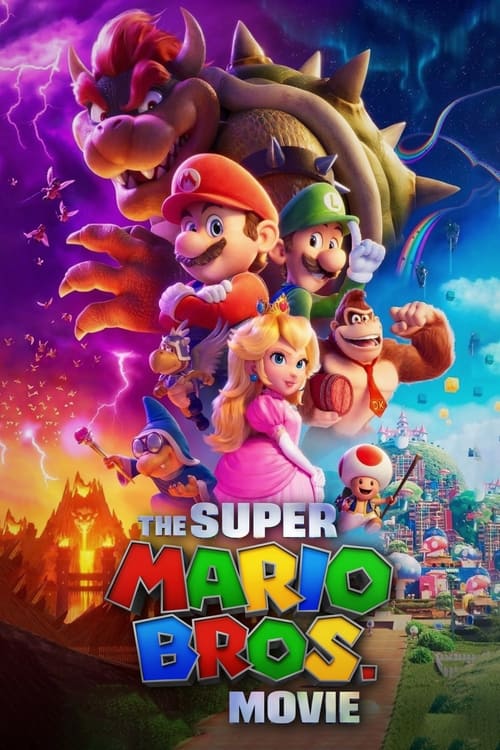
The film's slavish devotion to brand recognition over genuine storytelling innovation reduces animation to expensive advertising. Compare this to Hayao Miyazaki's approach in films like Spirited Away or Princess Mononoke—works that use fantastical elements to explore genuine human emotions and environmental concerns. Mario's journey lacks the psychological complexity that defines great animated storytelling.
Chris Pratt's voice performance exemplifies the problem. Casting Hollywood stars over voice actors prioritizes marketing over craft. Charles Martinet's decades-long embodiment of Mario carried genuine affection for the character. Pratt delivers competent work without soul.
Genre Experimentation and Cultural Fusion
The upcoming KPop Demon Hunters intrigues me precisely because it suggests animation's continuing evolution as a medium for genre experimentation. The concept—K-pop superstars with supernatural abilities—sounds ridiculous until you consider animation's unique capacity to blend disparate elements into coherent wholes.
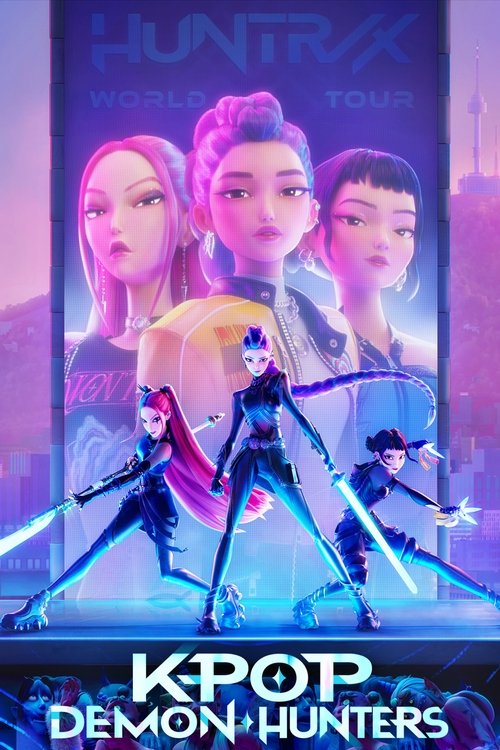
Japanese anime has long demonstrated this principle. Series like Perfect Blue and Akira prove animation can tackle mature themes—psychological horror, political corruption, technological anxiety—with sophistication that matches any live-action thriller. The medium's flexibility allows for seamless tonal shifts between musical numbers and supernatural action sequences.
Technical Innovation as Artistic Expression
What strikes me most about contemporary animation is how technical innovation serves thematic purposes. Spider-Verse's groundbreaking animation techniques—mixing computer graphics with hand-drawn elements, varying frame rates to create unique visual signatures for each character—aren't mere technical showboating. They're storytelling tools that reinforce the film's themes about finding your unique identity in a multiverse of possibilities.
This represents a fundamental shift from early Pixar films, which often felt like technical demonstrations wrapped in simple stories. Toy Story was revolutionary for its computer graphics; Spider-Verse is revolutionary for using those graphics to explore complex philosophical questions about fate, choice, and belonging.
The Future of Animated Storytelling
Animation's greatest strength lies in its ability to make the impossible feel emotionally authentic. When Miles Morales swings through Brooklyn, the city itself becomes a character—buildings bend and flow like living things, graffiti comes alive, the very air pulses with urban energy. This visual poetry serves the story's deeper concerns about finding your place in the world.
Similarly, when Judy Hopps navigates Zootopia's complex social hierarchies, the city's architecture reflects the psychological barriers between different communities. Rain forests adjoin arctic tundra. Tiny mouse neighborhoods exist alongside elephant districts. The impossible geography makes perfect emotional sense.
These films demand to be taken seriously as cinema, not dismissed as children's entertainment that happens to use animation. They're exploring the same themes that occupy the best live-action directors—identity, belonging, social justice, personal growth—but with visual tools unavailable to any other medium.
For anyone interested in discovering more films that push the boundaries of what animation can achieve, I'd recommend exploring CinemaSearch's curated collections. Their algorithm does an impressive job connecting thematically similar films across different animation styles and cultural contexts, helping you trace the evolution of animated storytelling from Disney's early experiments to today's most innovative works.