
The 1990s stand as cinema's most transformative decade, birthing films that didn't just entertain—they rewrote the rulebook of filmmaking. From David Fincher's mind-bending narratives to the Wachowski sisters' groundbreaking visual effects, this golden era produced movies that continue to shape how stories are told on screen today.
The Birth of Modern Storytelling
No discussion of 90s cinema begins without Pulp Fiction (1994), Quentin Tarantino's genre-defying masterpiece that turned linear storytelling on its head. With John Travolta's career-resurrecting performance as Vincent Vega and Samuel L. Jackson's iconic Jules Winnfield, the film proved that audiences craved sophisticated, non-linear narratives filled with pop culture references and razor-sharp dialogue.
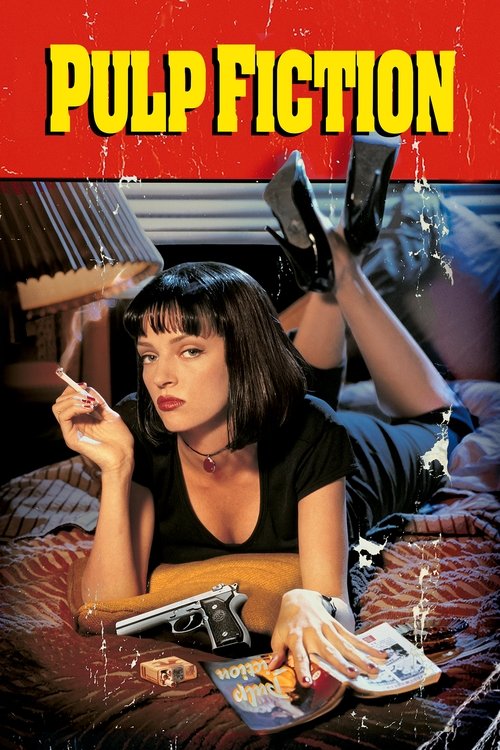
Tarantino's "burger-loving hit man" and "philosophical partner" didn't just deliver memorable performances—they introduced a new cinematic language that influenced countless filmmakers. The movie's chapter-based structure, where "adventures unfurl in three stories that ingeniously trip back and forth in time," became a template for modern non-linear storytelling seen in everything from "Memento" to "Dunkirk."
The Power of Hope and Human Connection
While Tarantino revolutionized narrative structure, Frank Darabont's The Shawshank Redemption (1994) reminded audiences why movies matter on an emotional level. Morgan Freeman's Red and Tim Robbins' Andy Dufresne created one of cinema's most enduring friendships, proving that even in the darkest circumstances, hope prevails.
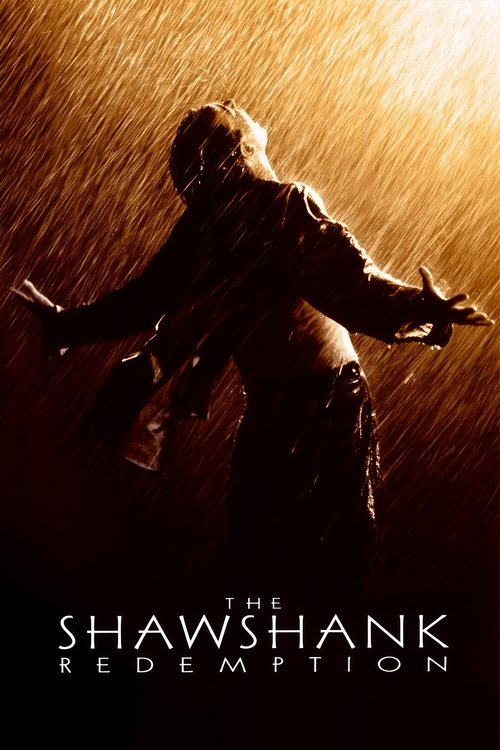
The film's exploration of how "Dufresne comes to be admired by the other inmates for his integrity and unquenchable sense of hope" established a blueprint for character-driven dramas. Its influence extends far beyond prison films, inspiring any story about resilience, friendship, and the triumph of the human spirit.
American Storytelling Through Rose-Colored Glasses
Robert Zemeckis' Forrest Gump (1994) took a different approach to capturing the American experience, following "a man with a low IQ" who becomes an unwitting witness to history. Tom Hanks' Oscar-winning performance as the titular character created a new archetype—the innocent observer whose simple wisdom cuts through life's complexity.

The film's innovative use of digital effects to insert Forrest into historical footage was groundbreaking, but its lasting impact lies in how it portrayed American history through an optimistic lens. This approach influenced countless "everyman" protagonists in modern cinema, from "The Curious Case of Benjamin Button" to "A Man Called Otto."
The Dawn of Digital Cinema
As the decade closed, the Wachowski sisters delivered The Matrix (1999), a film that didn't just predict the digital age—it defined how action cinema would look in the 21st century. Keanu Reeves' Neo joining "a group of underground insurgents fighting the vast and powerful computers who now rule the earth" gave audiences a philosophical action thriller unlike anything they'd seen.

The revolutionary "bullet time" effects, wire-fu choreography, and cyberpunk aesthetic became the visual language of modern action films. From "John Wick" to Marvel's superhero spectacles, The Matrix's influence on action cinematography remains unmistakable.
Deconstructing Masculinity and Society
David Fincher's Fight Club (1999) closed the decade with perhaps its most controversial and prescient film. Edward Norton's insomniac narrator and Brad Pitt's Tyler Durden channeled "primal male aggression into a shocking new form of therapy," creating a dark meditation on consumer culture and masculine identity.

The film's exploration of how their "concept catches on, with underground 'fight clubs' forming in every town" proved eerily prophetic about social movements in the digital age. Its unreliable narrator technique and twist ending influenced psychological thrillers for decades, while its critique of consumer culture feels more relevant than ever in 2025.
Why These Films Endure
What made the 90s truly golden wasn't just technological advancement or star power—it was the perfect storm of creative ambition, studio willingness to take risks, and audiences hungry for sophisticated entertainment. These films tackled complex themes while maintaining mass appeal, something increasingly rare in today's franchise-dominated landscape.
These movies succeeded because they trusted audiences' intelligence while delivering visceral entertainment. They proved that films could be both commercially successful and artistically ambitious, a lesson that continues to influence filmmakers today.
The Legacy Lives On
Thirty years later, these films haven't just aged well—they've become more relevant. In an era of reboots and sequels, their original voices and bold storytelling choices stand as reminders of cinema's power to surprise, challenge, and inspire.
From streaming services to film schools, these 90s masterpieces continue to find new audiences who discover their timeless appeal. They remain the gold standard for their respective genres and serve as masterclasses in filmmaking that modern directors still study.
Ready to discover more cinematic gems from the 90s and beyond? Use CinemaSearch to explore films similar to these legendary movies and uncover your next favorite film. Whether you're craving mind-bending narratives, heartfelt dramas, or groundbreaking action, CinemaSearch helps you find exactly what you're looking for in the vast world of cinema.