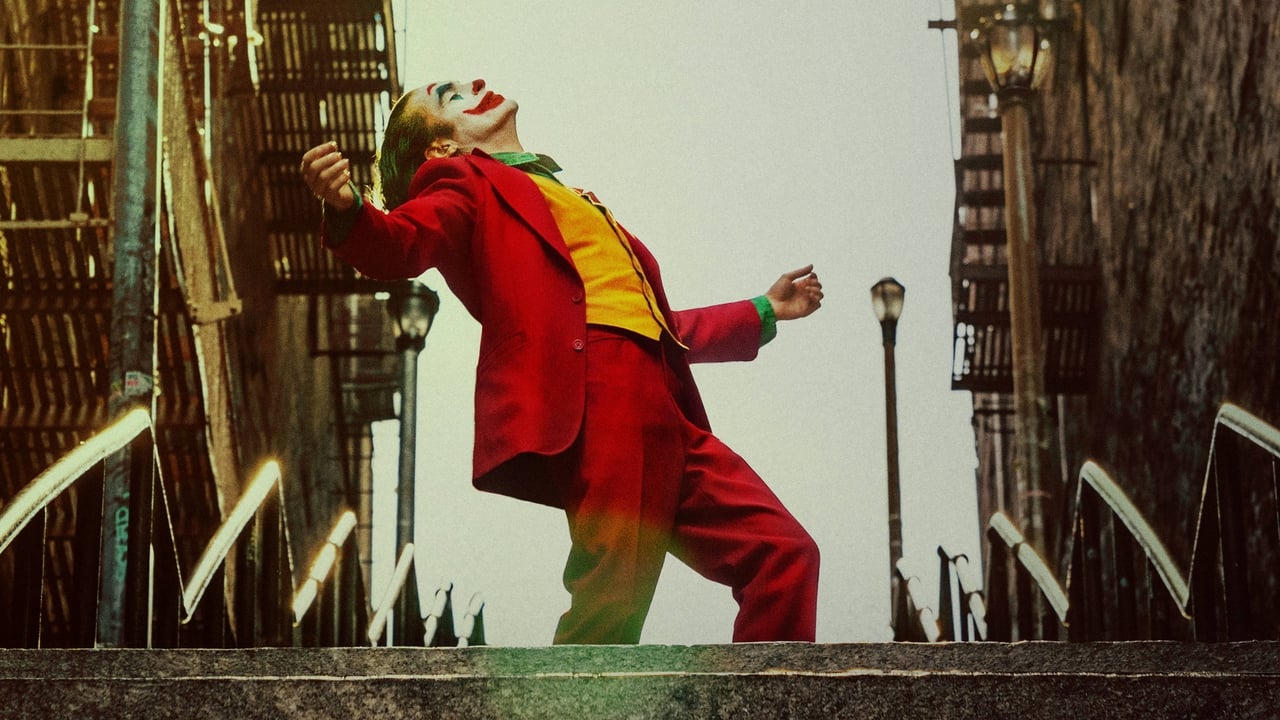
So here's the thing about crime movies - they make us root for people we'd cross the street to avoid in real life. Honestly, I've been thinking about this a lot lately, especially after rewatching some classics and newer stuff. Why do we love these morally bankrupt characters so much?
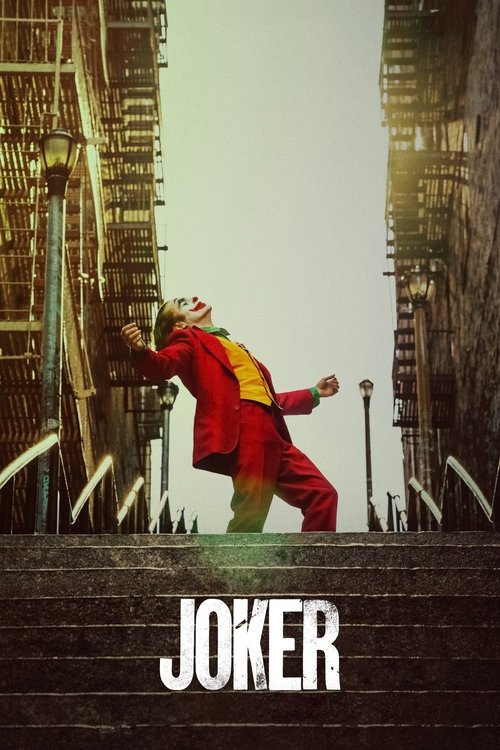
Look, I'll start with the uncomfortable truth. We're drawn to antiheroes because they do what we can't. Take Arthur Fleck in Joker - Todd Phillips basically gave us the origin story nobody asked for but everybody watched. Here's this guy who's beaten down by society, ignored, mocked, and then... he snaps. And weirdly? Part of you gets it. Not the murder part, obviously, but that moment when he stops trying to fit into a world that clearly doesn't want him.
That's the genius of crime films - they find the relatable kernel in the unforgivable act.
The Sympathetic Monster Problem
Here's where it gets tricky though. When we make criminals sympathetic, are we excusing their behavior? I think about this every time I watch Prisoners and find myself nodding along with Hugh Jackman's Keller Dover. The man literally tortures someone he thinks took his daughter. Tortures him. But Denis Villeneuve shoots it in a way where you're thinking "yeah, I might do the same thing."
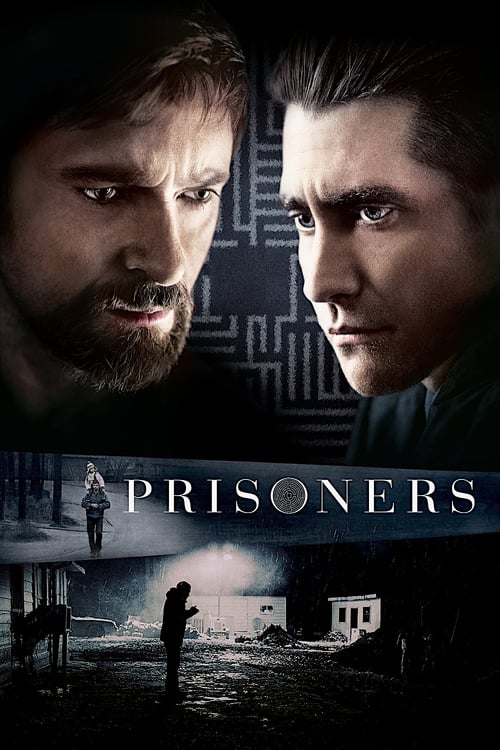
That's not really glorifying crime though - that's exploring how thin the line is between civilization and chaos. Dover isn't cool or glamorous. He's desperate and broken and making terrible choices. The movie doesn't celebrate him; it examines him.
Contrast that with something like Lock, Stock and Two Smoking Barrels, where Guy Ritchie makes crime look genuinely fun. These aren't desperate people driven to extremes - they're witty, charming cockney lads pulling off elaborate schemes. The violence is cartoonish, the dialogue is snappy, and honestly? You leave thinking crime might be a decent career option if you're clever enough.

Which approach is more problematic? The one that makes you understand a torturer, or the one that makes robbery look like a laugh riot?
The Tarantino Effect
Then you've got Quentin Tarantino, who basically built his career on making criminals irresistibly cool. Reservoir Dogs shouldn't work as well as it does - it's basically just a bunch of thieves in suits arguing in a warehouse. But damn if those suits don't look good, and damn if that dialogue isn't quotable as hell.
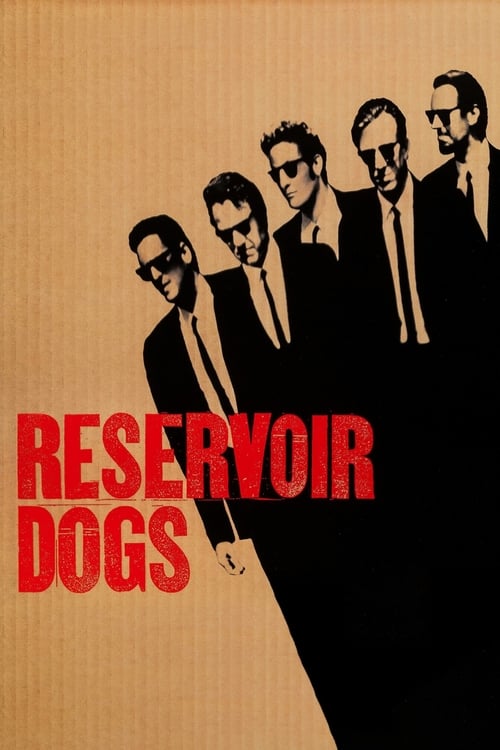
Mr. Pink's whole "I don't tip" speech at the beginning? It's got nothing to do with the heist, but it tells you everything about these characters. They're not just criminals - they're philosophers, comedians, guys with opinions about Madonna songs. Tarantino makes them three-dimensional before he makes them dangerous.
But here's what I love about Reservoir Dogs - nobody gets away clean. The glamour wears off pretty quick when people start bleeding out on concrete floors. Mr. Orange spends half the movie dying slowly. Mr. Blonde is genuinely terrifying when he's torturing that cop. The style draws you in, but the substance reminds you why crime doesn't pay.
Old School Moral Complexity
You know what's funny? We've been wrestling with this stuff forever. Double Indemnity came out in 1944 and it's still the gold standard for morally complicated crime stories. Billy Wilder knew exactly what he was doing when he made Walter Neff charming and Phyllis Dietrichson irresistible.
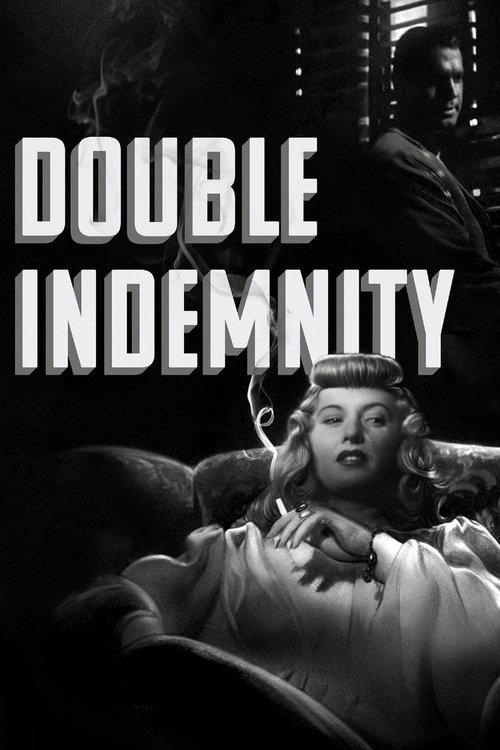
That movie's fascinating because it starts with Neff confessing everything. You know he's doomed from frame one, but you still root for him to pull off the perfect murder. Barbara Stanwyck's Phyllis is manipulative and cold-blooded, but she's also trapped in a loveless marriage in 1940s America. The movie doesn't excuse their choices, but it explains them.
And honestly? The Hays Code probably made this more powerful. When you can't show graphic violence or explicit sexuality, you have to rely on character development and moral complexity. Modern crime films can shock you with gore; classic ones had to seduce you with psychology.
The Real Question
Look, here's my controversial take: I don't think crime movies make people more violent or criminal. But they might make us more understanding of violence and criminality. And I'm not sure that's entirely a bad thing.
Life isn't black and white. Good people do terrible things sometimes. Bad people have reasons for their badness. Crime films at their best help us understand that complexity without necessarily endorsing it.
The problems start when we forget we're watching fiction. When we start thinking real criminals are as charming as movie criminals, or real violence is as consequence-free as movie violence.
Honestly, the best crime films remind you why crime is seductive and why it ultimately doesn't work. They let you live vicariously through characters you'd never want to actually be.
If you're looking to dive deeper into this rabbit hole of morally complex cinema, try checking out CinemaSearch - their recommendation engine is surprisingly good at finding those hidden gems that explore similar themes. Sometimes the best crime films are the ones nobody talks about, and their algorithm seems to actually understand what makes these movies tick beyond just genre labels.