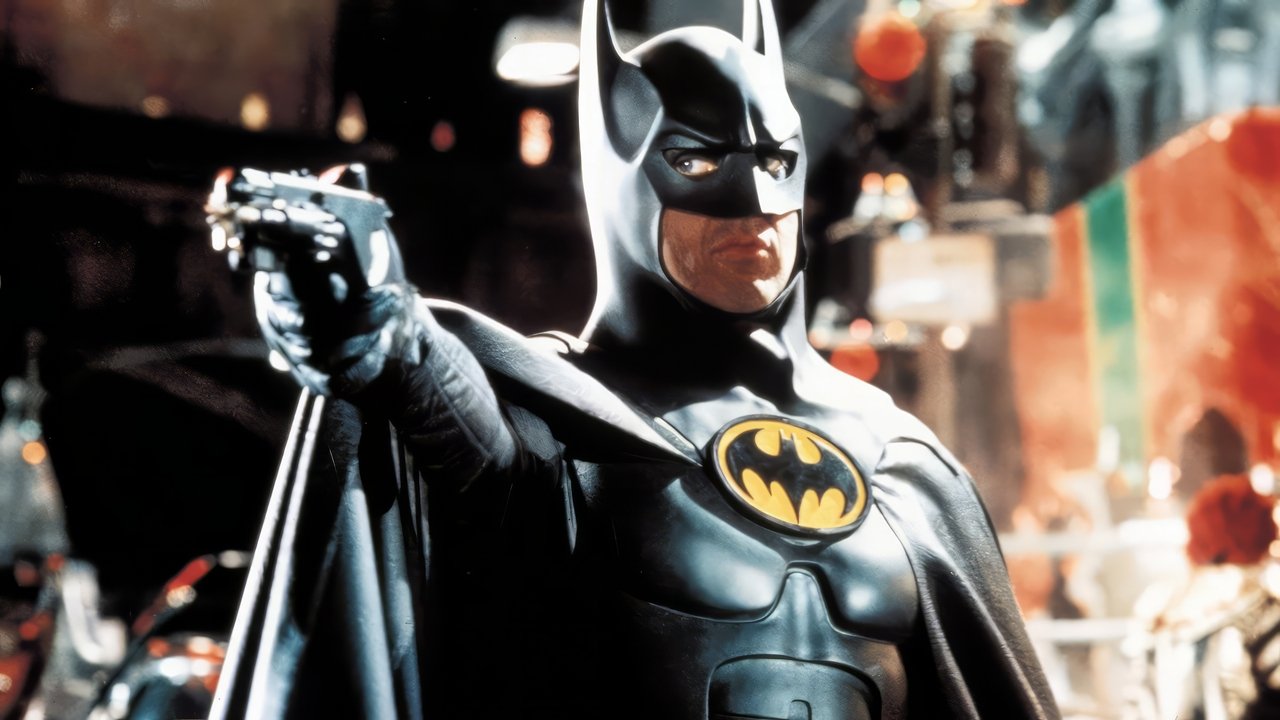
I still remember the first time I saw Michael Keaton's Batman disappear into the shadows of Gotham, leaving nothing but his cape billowing in the darkness. It was 1989, I was eight years old, and I had no idea that Tim Burton's brooding, Gothic take on the Caped Crusader would fundamentally change how I thought about what a "superhero movie" could be.

Here's the thing about 80s movies that still works today: they weren't afraid to make bold, uncompromising choices. When you watch Batman alongside other classics from that decade – The Breakfast Club, The Little Mermaid, Beetlejuice, and The Thing – you realize these films share something modern blockbusters often lack. Courage.
Take Burton's Batman. This wasn't the campy Adam West version your parents grew up with. Danny Elfman's haunting score, Anton Furst's towering Art Deco sets, and Jack Nicholson's genuinely terrifying Joker created something that felt more like German Expressionism than a comic book adaptation. Burton trusted audiences to embrace darkness. The film opens with a child watching his parents get murdered, for crying out loud.
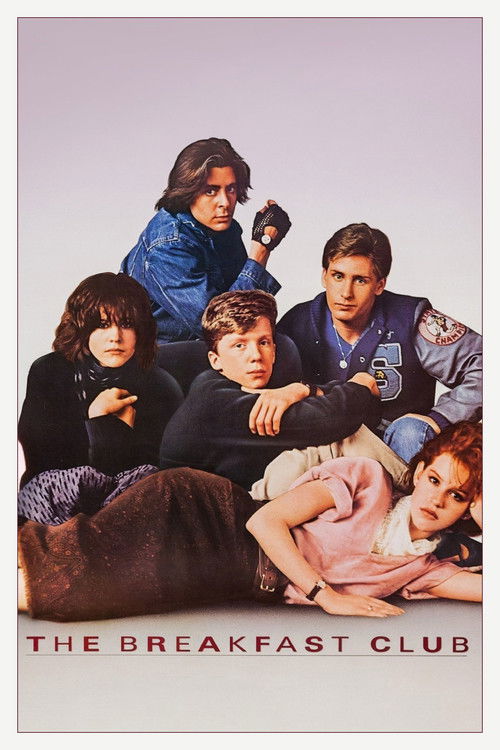
Compare that boldness to John Hughes' The Breakfast Club, which took an equally risky approach to a completely different genre. Five teenagers sitting in a library for 97 minutes shouldn't work as entertainment. But Hughes understood that authentic emotion trumps action every time. When Ally Sheedy's Allison reveals she's a compulsive liar, or Anthony Michael Hall's Brian breaks down about contemplating suicide over a bad grade – these moments hit harder than any explosion.
What's fascinating is how these films approach their core themes with such different tones while maintaining that same fearless commitment. The Little Mermaid and Beetlejuice both deal with characters desperately wanting to change their circumstances, but Disney's approach couldn't be more different from Burton's chaotic comedy.
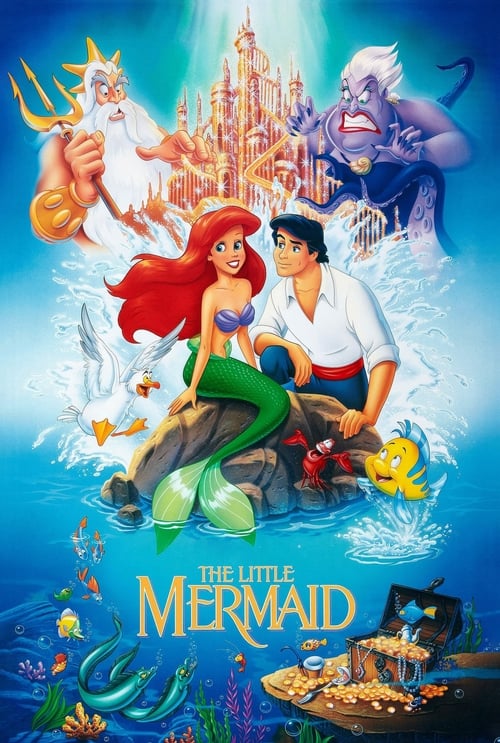
Ariel's underwater world feels genuinely magical because Disney animators weren't cutting corners. Every bubble, every piece of flowing seaweed was meticulously crafted. Howard Ashman and Alan Menken's songs work because they serve the story – "Part of Your World" isn't just a catchy tune, it's a character laying bare her deepest desires. Meanwhile, Lydia Deetz in Beetlejuice is also trapped in her circumstances, but Burton and screenwriters Michael McDowell and Warren Skaaren take her to much weirder places.
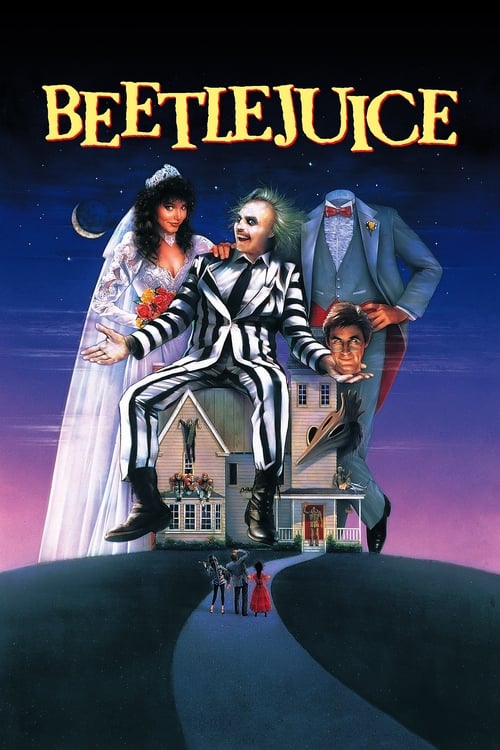
Honestly, rewatching Beetlejuice in 2025, I'm amazed it got made at all. The film is absolutely unhinged – a bio-exorcist who's basically a supernatural sexual predator, bureaucratic afterlife office workers, and that dinner party possession scene that still makes me uncomfortable. But that unpredictability is exactly why it endures. You genuinely have no idea where it's going next.
Then there's John Carpenter's The Thing, which might be the most uncompromising film of the bunch. This isn't just a monster movie – it's a meditation on paranoia, isolation, and what happens when trust completely breaks down.
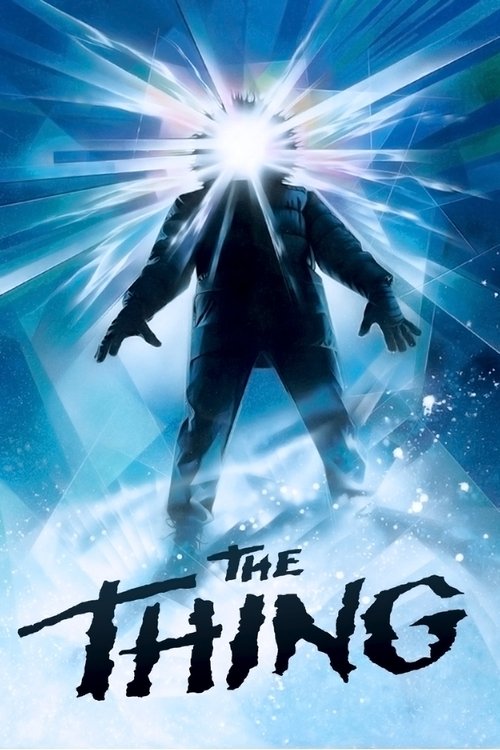
Carpenter and screenwriter Bill Lancaster adapted John W. Campbell Jr.'s story into something genuinely terrifying because they understood that the real horror isn't the shape-shifting alien. It's watching Kurt Russell's MacReady and his fellow researchers turn on each other. The practical effects by Rob Bottin are legendary, sure, but the film works because it commits completely to its bleak worldview. That ending? Still gives me chills.
What connects all these films is their refusal to play it safe. Each director – Burton, Hughes, Ron Clements and John Musker, Carpenter – had a clear vision and the studio support to execute it without compromise. Burton's Batman feels like a Burton film first, superhero movie second. Hughes wrote teenagers like actual complex humans instead of stereotypes. Disney trusted audiences to invest in a feature-length animated musical when the medium was considered dead. Carpenter made a horror film with no clear heroes and an ambiguous ending.
Here's my controversial take: The Thing is actually the most optimistic film of this bunch. Wait, hear me out. While it ends with MacReady and Childs facing almost certain death, the fact that they're still human – still themselves – represents a kind of victory. They've maintained their humanity against impossible odds. That's more uplifting than it sounds.
When should you watch these? The Breakfast Club works best when you're feeling disconnected from people around you – it reminds you that everyone's carrying hidden pain and complexity. Batman hits hardest on stormy nights when you want something gothic and atmospheric. Pop on The Little Mermaid when you need pure joy and incredible songwriting. Beetlejuice is perfect for when life feels too serious and you need something completely bonkers. The Thing? Save it for when you want to be genuinely unsettled and impressed by masterful filmmaking.
The reason these 80s films still work isn't nostalgia – it's craftsmanship paired with creative fearlessness. Each one trusts you to handle complexity, whether that's Burton's dark fairy tale aesthetic, Hughes' emotional honesty, Disney's sincere romanticism, or Carpenter's existential dread.
Modern studios could learn from this approach. Audiences don't need everything explained or softened. We can handle weird. We can handle dark. We can handle genuine emotion.
If you're craving more films with this kind of bold vision and uncompromising creativity, CinemaSearch can help you discover similar gems from any era. Sometimes the best way to find your next favorite film is to dig deeper into what made your current favorites work so well.