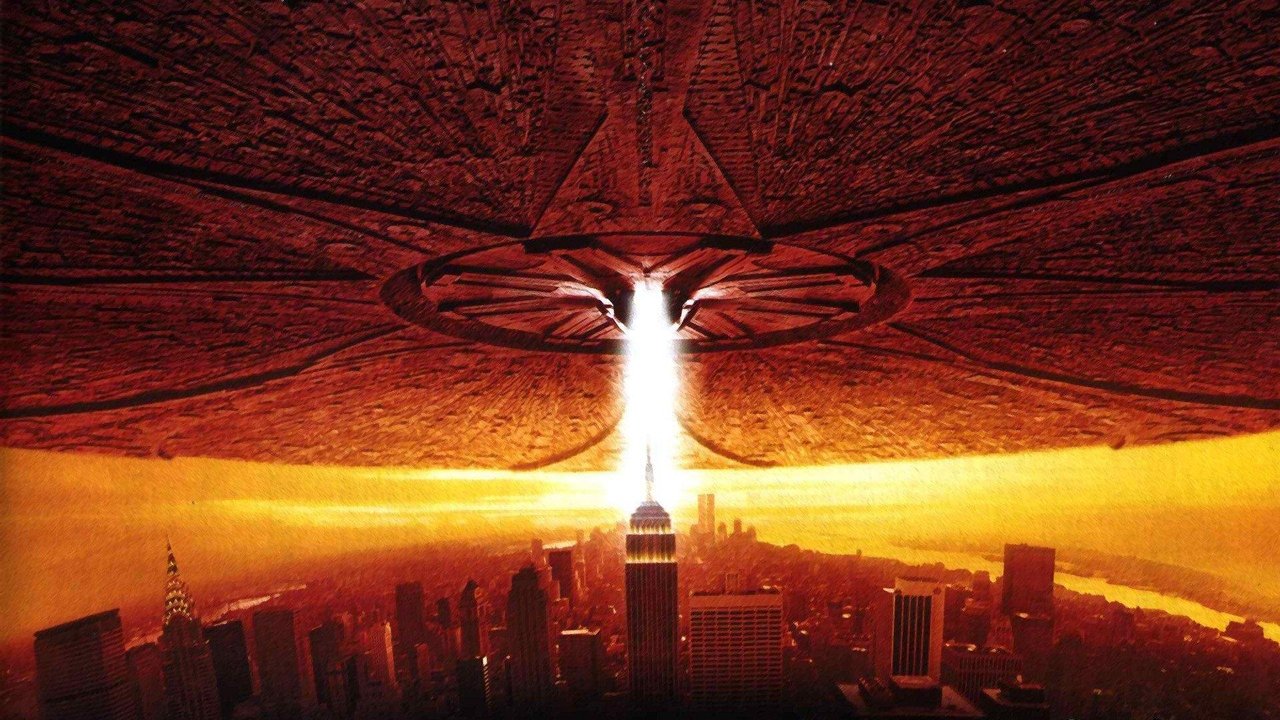
I was fourteen, home sick with the flu, when my older brother tossed me a unlabeled VHS tape. "Watch this," he said. "But maybe not when Mom's around." That tape was Trainspotting, and honestly? It completely rewired my understanding of what movies could do. Danny Boyle's kinetic direction, that pulsing soundtrack, Ewan McGregor diving headfirst into the worst toilet in Scotland—this wasn't the polished, synth-heavy spectacle of 80s cinema. This was raw. Ugly. Alive.
Can we talk about how the 90s basically said "screw your formula" to everything the previous decade established? The 80s gave us high concept meets high gloss. Slick action heroes. Clear moral lines. But then the 90s rolled around with this beautiful mess of digital experimentation, indie sensibilities bleeding into blockbusters, and directors who actually wanted to make you uncomfortable.
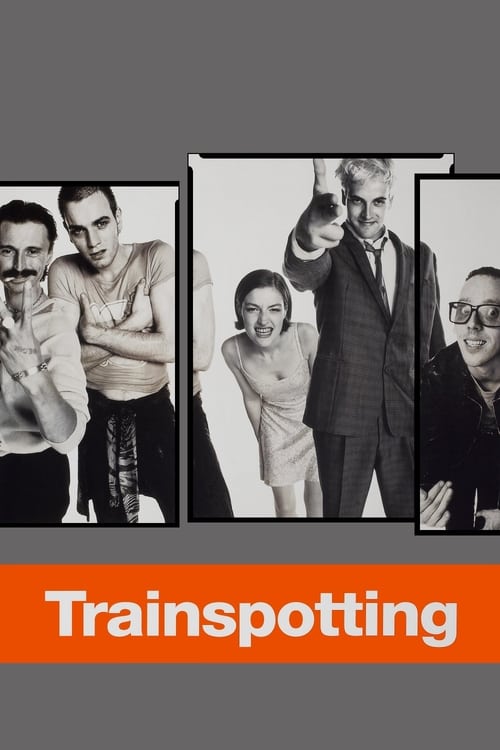
Take Roland Emmerich's Independence Day. Yes, it's pure cheese, but here's my hot take: it's intentionally cheesy in a way that 80s disaster films never were.
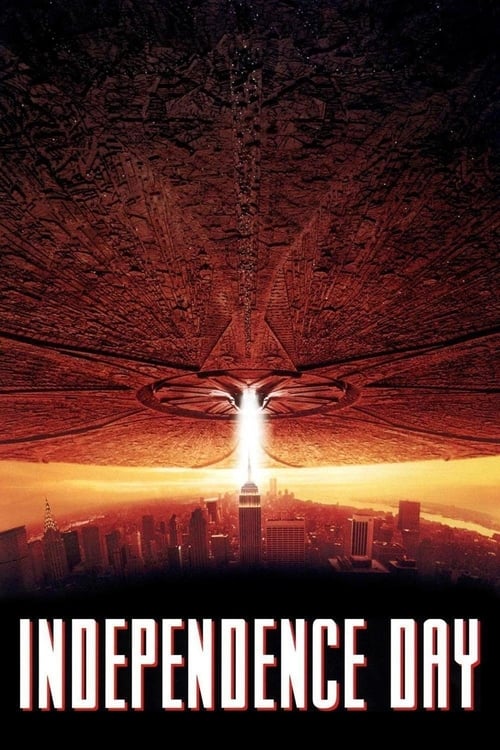
Emmerich knew exactly what he was doing when he had Jeff Goldblum upload a computer virus to an alien mothership using a PowerBook. The 80s would have played that straight. The 90s winked at you while doing it. That scene where Will Smith punches an alien and delivers that one-liner? Pure 90s self-awareness meeting 80s spectacle. It shouldn't work, but it absolutely does.
But here's where it gets interesting—the decade's real innovation wasn't just attitude. Directors were genuinely experimenting with new technology in ways that felt organic, not gimmicky. Henry Selick's The Nightmare Before Christmas proved that stop-motion animation could carry a full narrative with genuine emotional weight.
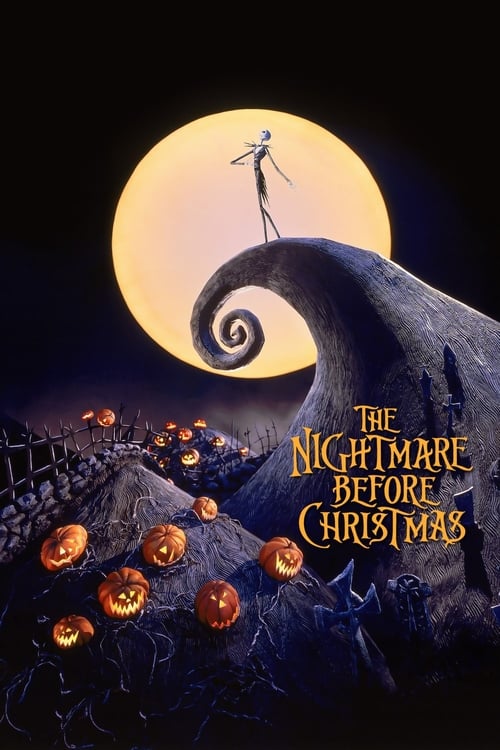
I finally watched this properly as an adult, not just catching bits on TV every October. Jack Skellington's identity crisis hits different when you're thirty-five and wondering if you're stuck in your own Halloween Town. Selick's painstaking frame-by-frame work created something the 80s' slick animation couldn't touch—genuine handmade weirdness. Every slightly off puppet movement adds to the uncanny magic.
Unpopular opinion but Brian De Palma's Mission: Impossible is actually the best film in that entire franchise. Fight me.
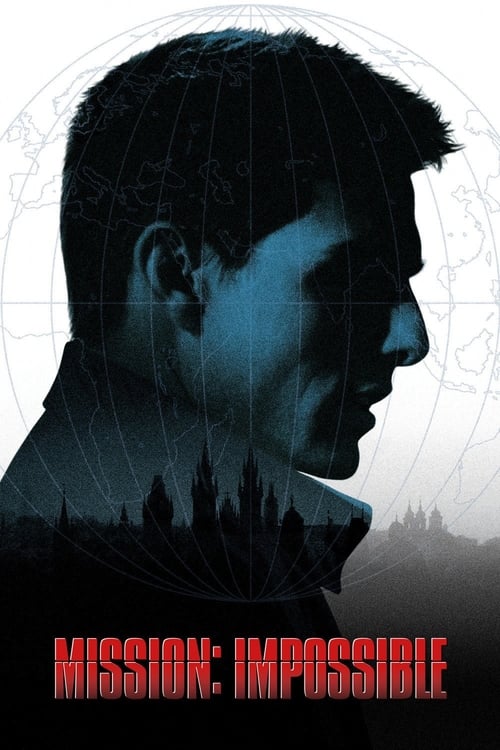
De Palma brought his obsessive visual perfectionism to what could have been generic spy fare. That Langley vault infiltration sequence? Twenty minutes of pure cinema with barely any dialogue. Tom Cruise suspended horizontally, one drop of sweat threatening to blow the entire mission—it's Hitchcockian tension meets cutting-edge practical effects. Later entries got bigger and louder, but none matched De Palma's precise choreography of suspense.
What fascinates me about 90s filmmaking is how directors balanced practical craftsmanship with early digital experimentation. Stephen Sommers' The Mummy gets unfairly dismissed as CGI-heavy nonsense, but honestly? Those digital effects serve the story.

Sommers understood that Imhotep needed to feel genuinely otherworldly, not just like a guy in monster makeup. The sandstorm with Imhotep's face roaring through Cairo? That's digital effects creating genuine awe, not just showing off technical prowess. Plus, Brendan Fraser's Rick O'Connell represents everything great about 90s heroes—competent but not invincible, funny but not quippy, human-scaled in a way that 80s action stars rarely were.
Here's the thing about 90s cinema that I think gets overlooked: these films weren't afraid to be genuinely strange. The decade bridged the gap between 80s excess and 2000s cynicism by embracing controlled chaos. Directors like Boyle, De Palma, and Selick took risks that major studios today would focus-group to death.
Trainspotting's "Choose Life" monologue works because Boyle committed to Irvine Welsh's nihilistic worldview while finding genuine humanity in addiction and friendship. Independence Day succeeds because Emmerich embraced B-movie logic within A-budget spectacle. These weren't compromises—they were bold creative choices.
The influence extends far beyond nostalgia. Marvel's current dominance owes massive debt to 90s blockbusters that learned to be self-aware without being self-defeating. Jordan Peele's horror films channel that 90s willingness to make audiences genuinely uncomfortable while delivering mainstream entertainment.
Modern filmmakers are still chasing what the 90s achieved—that perfect balance of innovation and accessibility, weirdness and warmth. Denis Villeneuve's Dune films feel spiritually connected to 90s sci-fi epics. A24's horror output carries DNA from Burton's gothic sensibilities.
I think about that flu day with Trainspotting constantly. Not just the film itself, but what it represented—cinema that trusted audiences to handle complexity, ambiguity, genuine strangeness. Movies that didn't insult your intelligence while still delivering pure entertainment.
If you're looking to explore more films that capture this unique 90s sensibility, I'd recommend checking out CinemaSearch. Their recommendation engine is surprisingly good at finding those hidden gems that share thematic or stylistic DNA with your favorites. Sometimes the best discoveries come from unexpected connections between films you never thought to pair together.