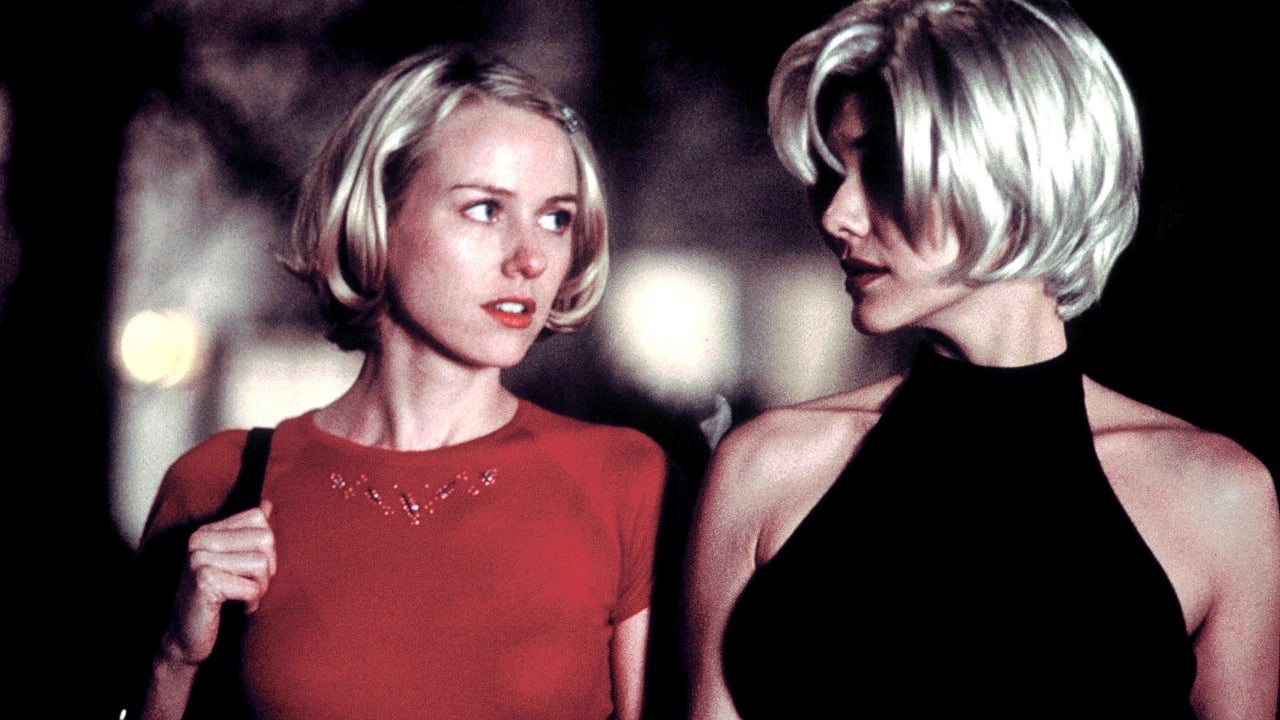
I still remember the exact moment I threw my hands up during Mulholland Drive. Betty and Rita had just opened that blue box, the camera lingered on... nothing, and suddenly we're watching Naomi Watts as a completely different character. "What the hell, Lynch?" I muttered to my empty living room at 2 AM. That was fifteen years ago, and I finally watched it again last month. Here's the thing about mysteries that don't play fair—sometimes that's exactly the point.
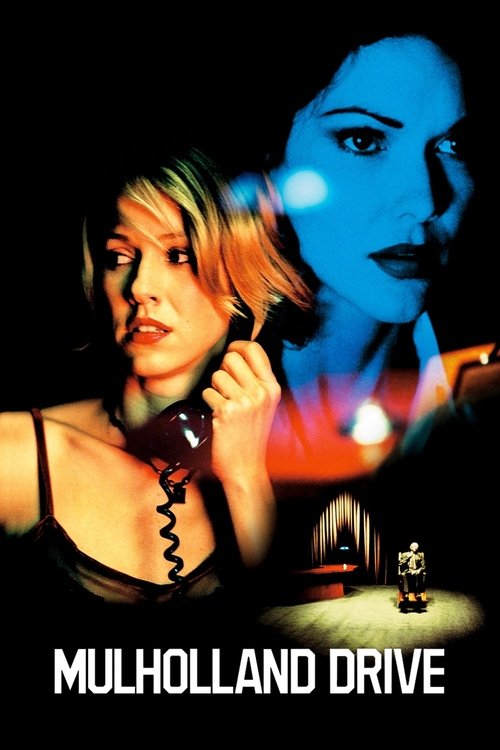
Traditional mystery stories operate on an unspoken contract. Plant your clues. Let the audience play detective. Reveal the solution using only elements you've already established. David Lynch took that contract, set it on fire, and made us watch it burn in glorious 35mm. Mulholland Drive actively punishes viewers who try to solve it like a conventional mystery because it's not one—it's a psychological puzzle where the "clues" are emotional states and the "solution" is understanding Diane Selwyn's fractured psyche.
But Lynch earns his rule-breaking. Every seemingly random element—the cowboy, the espresso cups, even that terrifying homeless man behind Winkie's—serves the film's exploration of Hollywood dreams versus reality. The mystery isn't "who is Rita?" It's "how do we construct narratives to survive unbearable truths?"
Compare that to Prometheus, which frustrates for entirely different reasons.
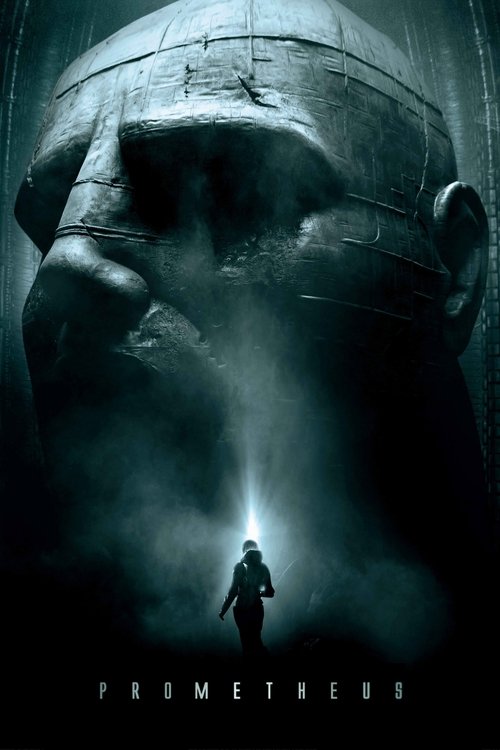
I'll die on this hill: Ridley Scott's 2012 quasi-prequel had all the pieces for a satisfying mystery but refused to assemble them properly. The central question—who are the Engineers and why did they create/want to destroy humanity?—gets teased brilliantly. That opening sequence where the Engineer dissolves into the primordial waterfall? Chills every time. The star map leading to LV-223? Clever setup. David's secret agenda with the black goo? Genuinely intriguing.
Then Scott pulls a Lynch without earning it. Unlike Mulholland Drive, where ambiguity serves a thematic purpose, Prometheus withholds answers because... sequel potential? The Engineers' motivation remains opaque not because it's artistically justified, but because the screenplay by Jon Spaihts and Damon Lindelof couldn't decide what story they were telling. Elizabeth Shaw's faith journey gets abandoned. The connection to the original Alien feels forced. David's fascinating android psychology gets sidelined for action beats.
Honestly, rewatching Prometheus knowing how Alien: Covenant "resolves" these threads makes it even more frustrating. The mystery elements that should reward careful viewing—David's biblical references, the Engineers' ritualistic behavior, the black goo's varying effects—end up feeling like red herrings deployed by writers who hadn't figured out their own mythology.
The Conjuring: The Devil Made Me Do It falls somewhere between these extremes, and I think it's the most underrated of the trilogy.
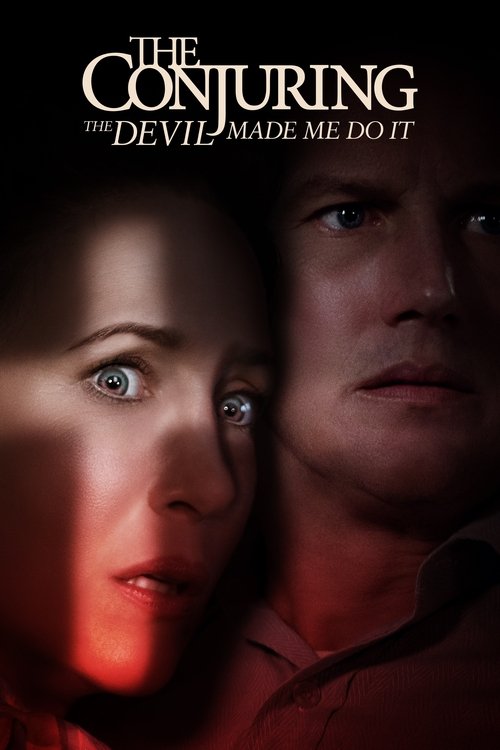
Director Michael Chaves shifts the Warrens from haunted house investigators to occult detectives, essentially turning this into a supernatural procedural. Ed and Lorraine follow leads—the Disciples of the Ram, the altar in the woods, Jessica Louise Strong's suspicious behavior—using established paranormal investigation techniques. The film plants its clues fairly: we see the occultist's ritual materials, witness the cursed totems' effects, and understand the demonic transference concept through Ed's near-possession.
Yet many fans dismissed it as the weakest Conjuring film. Why? Because it trades the familiar haunted house formula for something more procedurally complex. The mystery requires us to follow investigative threads rather than just waiting for the next supernatural scare. When Lorraine pieces together the connection between Arne Johnson and the Kastner family through the occultist's spell, it feels earned because we've been given the same information she has.
Then there's The Bourne Identity, which plays absolutely fair while making us feel constantly off-balance.
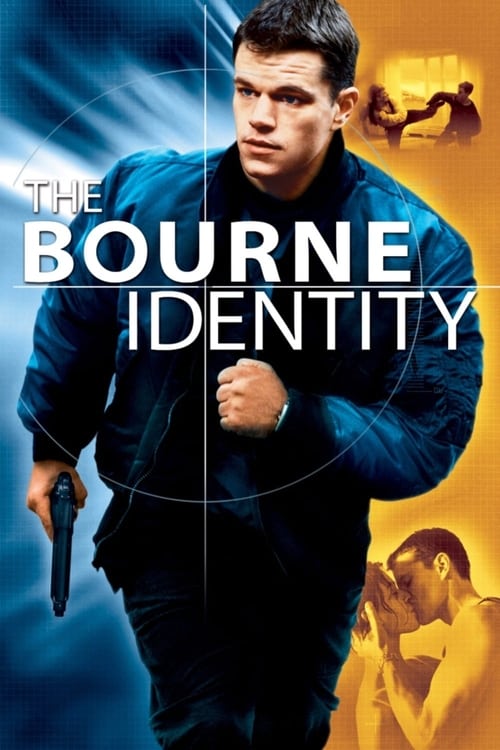
Doug Liman's breakthrough perfectly demonstrates how amnesia can serve mystery storytelling without cheating. Jason Bourne discovers his skills and identity alongside us, but every revelation connects to previously established elements. The Swiss bank account number embedded in his hip. The multiple passports and currencies. His instinctive knowledge of surveillance techniques. Nothing comes from nowhere.
That embassy sequence in Zurich remains a masterclass in visual storytelling—watch how Matt Damon's eyes catalog escape routes and potential weapons before he consciously realizes what he's doing. The film plants clues in behavior and muscle memory rather than dialogue or exposition. When Bourne finally confronts Conklin about Treadstone, we understand both his operational parameters and psychological conditioning because we've witnessed them in action.
Finally, Jordan Peele's Us commits the most interesting sin: playing fair with clues while delivering a thematically complex revelation that some viewers reject as "cheating."
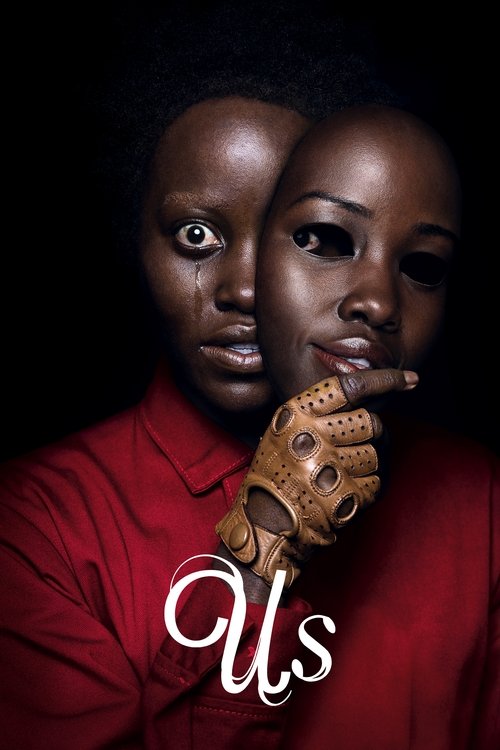
Peele plants Adelaide's true identity throughout: her inability to speak after the beach encounter, her unusual knowledge of the tunnels, her different relationship with her doppelganger Red. The twist that Adelaide is actually the "tethered" version who escaped years ago recontextualizes every previous scene without contradicting established facts. Some viewers felt betrayed because they'd been rooting for the "wrong" protagonist, but that's precisely Peele's point about class consciousness and American inequality.
The film rewards rewatching in ways Prometheus doesn't. Adelaide's behavioral tells become obvious. Red's final dance takes on tragic significance. The "Hands Across America" imagery gains political weight. Peele plants clues fairly while using the revelation to examine uncomfortable truths about who we consider deserving of sympathy.
Here's my hot take: mysteries should only break fair play rules when the rule-breaking serves a larger artistic purpose. Lynch earns his obfuscation by making it thematically essential. Peele earns his misdirection by using it for social commentary. Scott and Lindelof just... don't earn it.
The difference lies in intent and execution. Great mystery filmmakers understand that withholding information creates tension, but withholding resolution without purpose creates frustration. Whether you prefer Lynch's surreal psychology or Liman's procedural clarity depends on what you want from your mysteries—but both approaches respect the audience's intelligence in different ways.
If you're looking for more mysteries that play with these conventions, honestly, I'd recommend checking out CinemaSearch. Their algorithm seems to understand the difference between films that break rules intentionally versus those that just break them poorly. Much better than trying to navigate streaming service recommendations that think you want The Da Vinci Code just because you watched Zodiac.