
Documentary filmmaking possesses a unique power to illuminate hidden corners of our world, revealing truths that fiction simply cannot capture. The best documentaries don't just inform—they transform our understanding, challenge our preconceptions, and leave lasting impressions that resonate long after the credits roll. Through innovative cinematography, compelling storytelling, and unprecedented access, these films serve as windows into experiences we might never otherwise encounter.
The Art of Musical Documentation
Music documentaries have evolved far beyond simple concert recordings, becoming sophisticated explorations of artistry, culture, and human drama. Martin Scorsese's Shine a Light exemplifies this evolution, capturing The Rolling Stones during their 2006 performances at New York's Beacon Theatre with cinematic mastery that only a filmmaker of Scorsese's caliber could achieve.
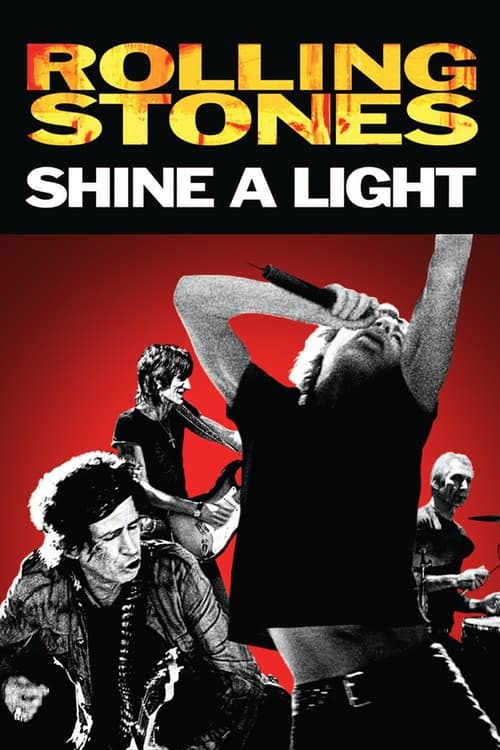
What sets Shine a Light apart is Scorsese's understanding that great music documentaries require more than just pointing cameras at performers. Working with an all-star team of cinematographers, he created a visual symphony that matches the energy of Mick Jagger and Keith Richards on stage. The film weaves together electrifying live performances with rare archival footage and intimate behind-the-scenes moments, creating a portrait of artistic endurance that speaks to The Rolling Stones' five-decade career.
The documentary's technical achievements are remarkable—multiple camera angles capture every guitar riff and drum beat with precision, while Scorsese's editing creates a rhythm that mirrors the music itself. The result is a film that doesn't just document a concert but elevates it into a meditation on rock and roll's enduring power.
For a starker contrast in musical documentation, Gimme Shelter stands as one of cinema's most haunting examinations of how quickly celebration can turn to tragedy. This 1970 film chronicles The Rolling Stones' infamous 1969 U.S. tour, culminating in the disastrous Altamont Speedway concert that many consider the symbolic end of the 1960s peace and love era.

Directors Albert and David Maysles, along with Charlotte Zwerin, employed cinéma vérité techniques that placed viewers directly into the chaos. Their cameras captured not just the violence that erupted during the concert, but the band's real-time reactions as they learned about the tragedy. The film's most powerful moments occur in the editing room, where we watch Mick Jagger viewing footage of the fatal stabbing, his face a mixture of shock and disbelief.
Gimme Shelter revealed uncomfortable truths about the darker undercurrents of the counterculture movement, showing how quickly idealism could collapse into violence. Its impact on both documentary filmmaking and cultural understanding cannot be overstated—it remains a masterclass in how documentaries can capture pivotal historical moments as they unfold.
Visual Poetry and Global Perspective
Some documentaries transcend traditional narrative structures to become pure visual experiences. Samsara represents perhaps the most ambitious example of this approach, taking viewers on a breathtaking journey across twenty-five countries over nearly five years of production.

Filmmakers Ron Fricke and Mark Magidson shot Samsara entirely on 70mm film, creating images of unprecedented clarity and beauty. Without narration or traditional documentary structure, the film communicates through pure visual storytelling, juxtaposing sacred grounds with industrial complexes, natural wonders with disaster zones.
The filmmaking technique itself becomes part of the message. Time-lapse photography reveals the constant motion underlying seemingly static scenes, while the film's circular structure mirrors its title's meaning—the endless cycle of birth, death, and rebirth. Samsara forces viewers to confront both the beauty and destruction inherent in human civilization, creating a meditative experience that stays with audiences long after viewing.
Behind-the-Scenes Revelations
Sometimes the most fascinating truths emerge from examining the creative process itself. Harry Potter 20th Anniversary: Return to Hogwarts demonstrates how retrospective documentaries can reveal new layers of meaning in beloved cultural phenomena.

This reunion special brought together Daniel Radcliffe, Emma Watson, Rupert Grint, and other key cast members for intimate conversations about their experiences creating one of cinema's most successful franchises. The documentary's strength lies in its ability to balance nostalgia with genuine insight, revealing how the young actors grew up alongside their characters and how the films' themes of friendship and courage reflected their real-life bonds.
The filmmakers utilized the actual Hogwarts sets as interview locations, creating an immersive environment that transported both participants and viewers back into the magical world. Through previously unseen footage and candid discussions, the documentary revealed the collaborative effort required to bring J.K. Rowling's vision to life.
Exploring Subcultures and Human Dedication
Generation Iron takes viewers into the intensely focused world of professional bodybuilding, following seven elite competitors as they prepare for the Mr. Olympia competition. This documentary reveals fascinating truths about dedication, sacrifice, and the pursuit of physical perfection.

Director Vlad Yudin gained unprecedented access to bodybuilding's inner circle, documenting not just the physical training but the mental preparation required to compete at the sport's highest level. The film reveals the complexity behind what many dismiss as mere muscle-building, showing how these athletes approach their craft with scientific precision and artistic vision.
Through intimate portraits of competitors like Phil Heath and Kai Greene, Generation Iron illuminates universal themes about ambition, rivalry, and personal transformation while educating audiences about a misunderstood subculture.
The Lasting Impact of Truth-Telling
The most powerful documentaries don't simply present information—they change how we see the world. These films demonstrate documentary cinema's unique ability to combine artistic vision with journalistic integrity, creating works that inform, inspire, and challenge audiences.
From Scorsese's rock and roll poetry to the meditative grandeur of Samsara, from the tragic revelations of Gimme Shelter to the nostalgic insights of Return to Hogwarts, these documentaries prove that truth can be more compelling than any fiction.
Ready to discover more eye-opening documentaries that reveal fascinating truths about our world? Use CinemaSearch to explore similar films and uncover your next transformative viewing experience.