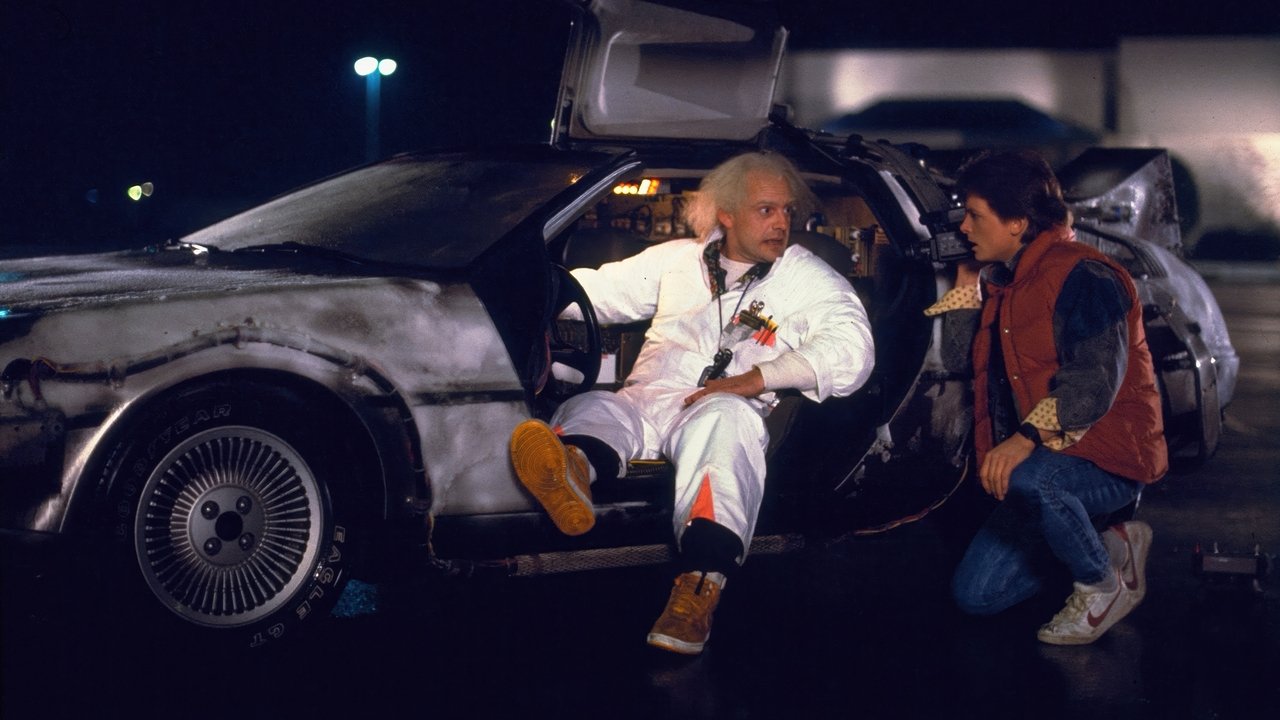
Picture this: A teenager in a puffy orange vest scrambles across a clock tower's face while "Earth Angel" drifts up from a high school dance below. Lightning crackles overhead. Time itself hangs in the balance. That's the magic of Back to the Future distilled into one perfect moment—and it's exactly why 80s cinema still works four decades later.
You don't need nostalgia goggles to appreciate what this decade got right. These films understood something fundamental about audience engagement that modern blockbusters often miss. Let me walk you through five essential 80s films, starting with the most accessible and building toward the more challenging. Think of it as your personal film festival.
Start Here: Back to the Future (1985)
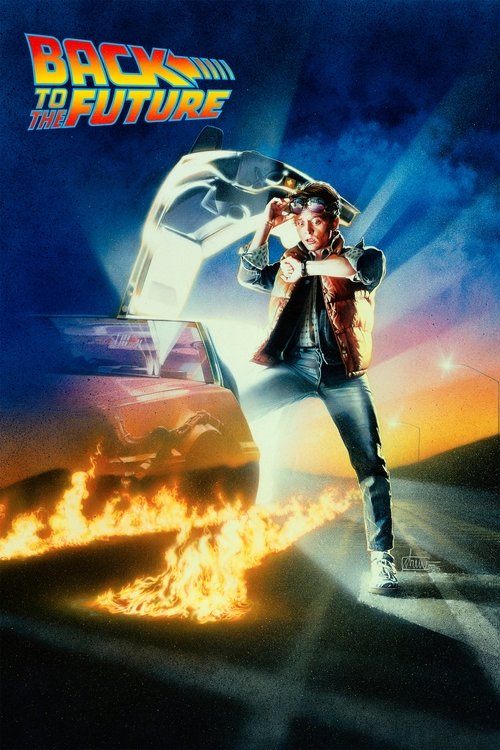
If you're skeptical about 80s movies feeling dated, start with this one. Robert Zemeckis crafted something remarkable here—a time travel story that's actually about character growth, not just cool effects. Marty McFly isn't just trying to get back to 1985; he's learning to stand up for himself.
Watch this when you need pure entertainment. Bring your kids, your parents, your cynical friend who "doesn't like old movies." The screenplay is airtight—every setup pays off, every character serves a purpose. Doc Brown's eccentric inventor could have been a cartoon, but Christopher Lloyd grounds him with genuine emotion. When Doc reads that letter about his future death, you feel his terror.
Here's what still works: The film respects your intelligence while delivering crowd-pleasing moments. Modern blockbusters often choose one or the other.
Level Up: The Star Wars Sequels
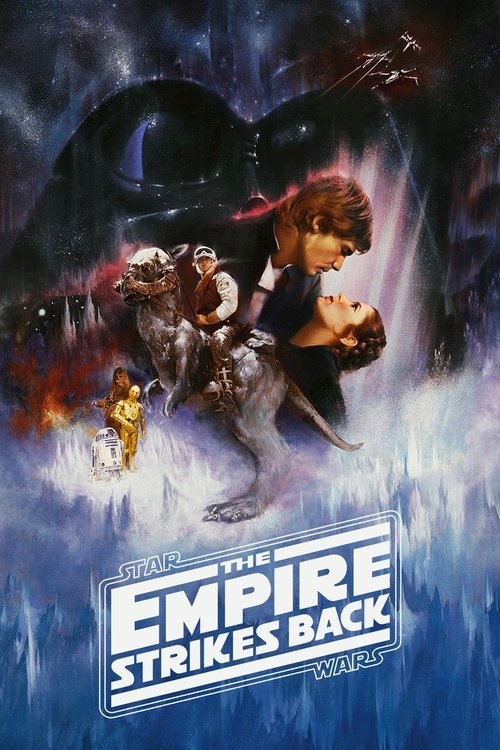
The Empire Strikes Back (1980) and Return of the Jedi (1983) represent something Hollywood struggles with today: sequels that expand rather than repeat. Empire, directed by Irvin Kershner, is famously darker than the original. But it's not grimdark for its own sake—it's about Luke growing up.
You should watch Empire when you're ready for complexity. This isn't comfort food filmmaking. Our heroes spend most of the movie separated, suffering, failing. Han gets frozen in carbonite. Luke loses his hand and learns Vader is his father. The good guys lose.
Yet somehow it's wildly entertaining. The Hoth battle sequence still holds up because it serves the story—the Rebellion is on the run, desperate, outgunned. Every practical effect has weight and consequence.
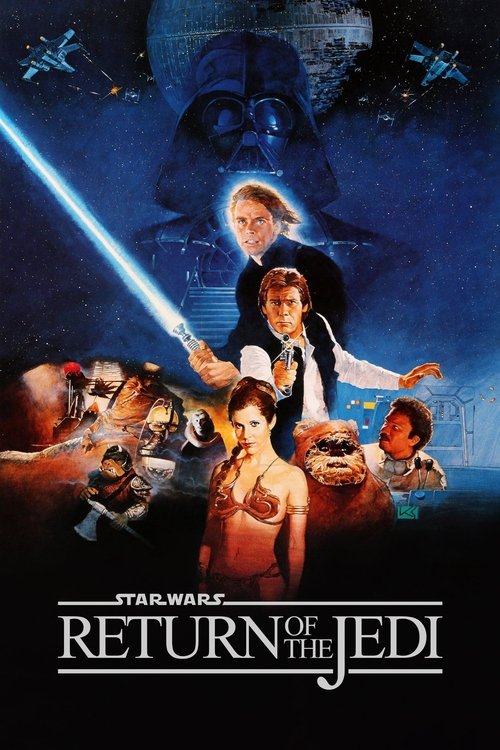
Jedi gets unfairly criticized for the Ewoks, but honestly? Richard Marquand understood something crucial about endings. The throne room sequence where Luke faces the Emperor while refusing to kill Vader is peak storytelling. Three generations of conflict resolved through character choice, not just lightsaber fights.
Watch Jedi when you want catharsis. It earns its happy ending.
When You're Feeling Brave: The Shining (1980)
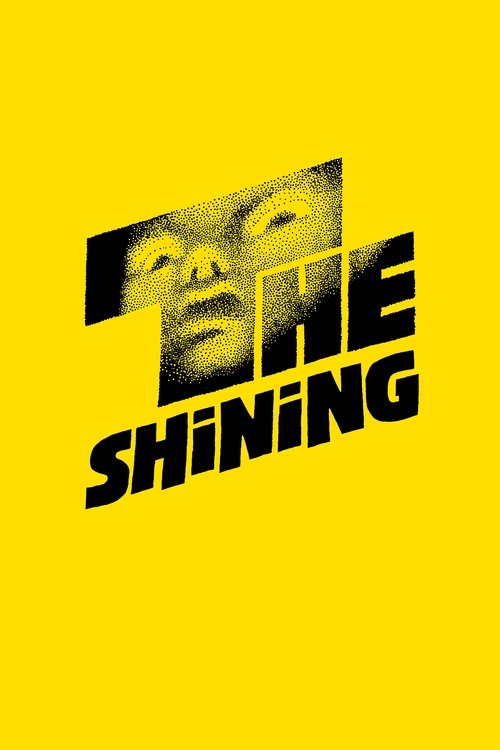
Stanley Kubrick's The Shining is where this viewing journey gets serious. You need to be in the right headspace—preferably alone, late at night, with good speakers. This isn't a film you multitask through.
Jack Torrance's descent into madness at the Overlook Hotel works because Kubrick understands that isolation breaks people slowly, then all at once. Jack Nicholson's performance walks a tightrope between human psychology and supernatural horror. When he's talking to Lloyd the bartender in that impossibly elegant ballroom, you're watching a man's sanity shatter in real time.
The film's power comes from Kubrick's meticulous craft. Those long Steadicam shots following Danny's Big Wheel through hotel corridors aren't showing off—they're making you feel the building's oppressive geometry. Room 237. The maze. Those twins in the hallway.
Here's my controversial take: The Shining works better than most modern horror because it trusts silence and space over jump scares. Kubrick knew that dread builds in the quiet moments.
The Final Challenge: Blade Runner (1982)
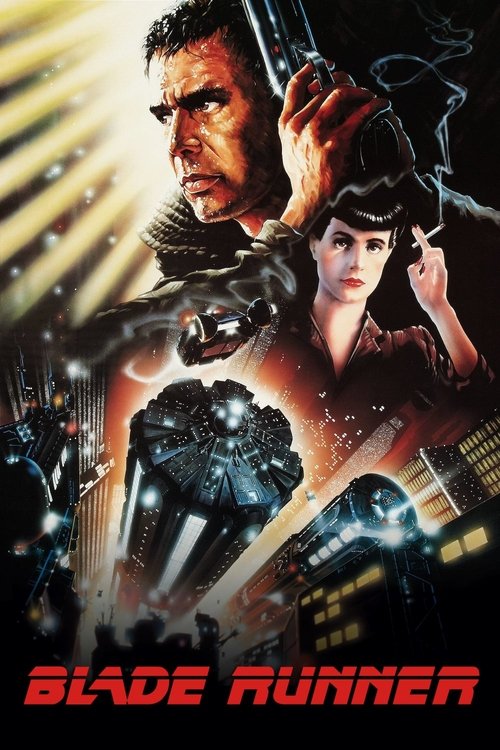
Ridley Scott's Blade Runner is your graduate course in 80s filmmaking. Set in 2019 Los Angeles (funny how that date has passed), it follows Rick Deckard hunting artificial humans called replicants. But the real question isn't whether he'll catch them—it's what makes someone human.
Watch this when you want to think. Really think. The pacing is deliberate, almost meditative. Vangelis's synthesizer score creates an atmosphere of beautiful melancholy that modern films rarely attempt. Every frame drips with lived-in detail—this future feels used, dirty, real.
Roy Batty's "Tears in Rain" speech at the film's climax remains one of cinema's great moments. Rutger Hauer improvised parts of it, and the result is profound meditation on mortality and memory. "All those moments will be lost in time, like tears in rain."
The film asks uncomfortable questions about consciousness, empathy, and what we owe our creations. In 2025, with AI advancement accelerating, those questions feel more relevant than ever.
Why These Still Work
These films share common DNA that explains their endurance. They were made by directors who understood visual storytelling—every shot serves the narrative. They featured practical effects that feel tangible, not weightless CGI. Most importantly, they prioritized character development within their high-concept premises.
The 80s also represented a sweet spot in Hollywood financing. Studios took risks on original stories while still caring about mass appeal. You got personal visions with big budgets. That combination is rarer now.
Start with Back to the Future if you need convincing about 80s cinema's continuing relevance. Work your way through to Blade Runner when you're ready for something that'll stick with you for days. Each film rewards different moods and mindsets.
If you find yourself hungry for more films that blend accessibility with depth, I'd recommend checking out CinemaSearch. Their algorithm is surprisingly good at finding movies that match these specific vibes—that perfect balance of entertainment and substance that makes 80s cinema so enduring. Sometimes the best way forward is looking back at what worked.