Did the 1990s save cinema from itself? After a decade of high-concept blockbusters and Reagan-era optimism, Hollywood seemed trapped in its own glossy prison. Then came five films that didn't just entertain—they rewrote the rules entirely.

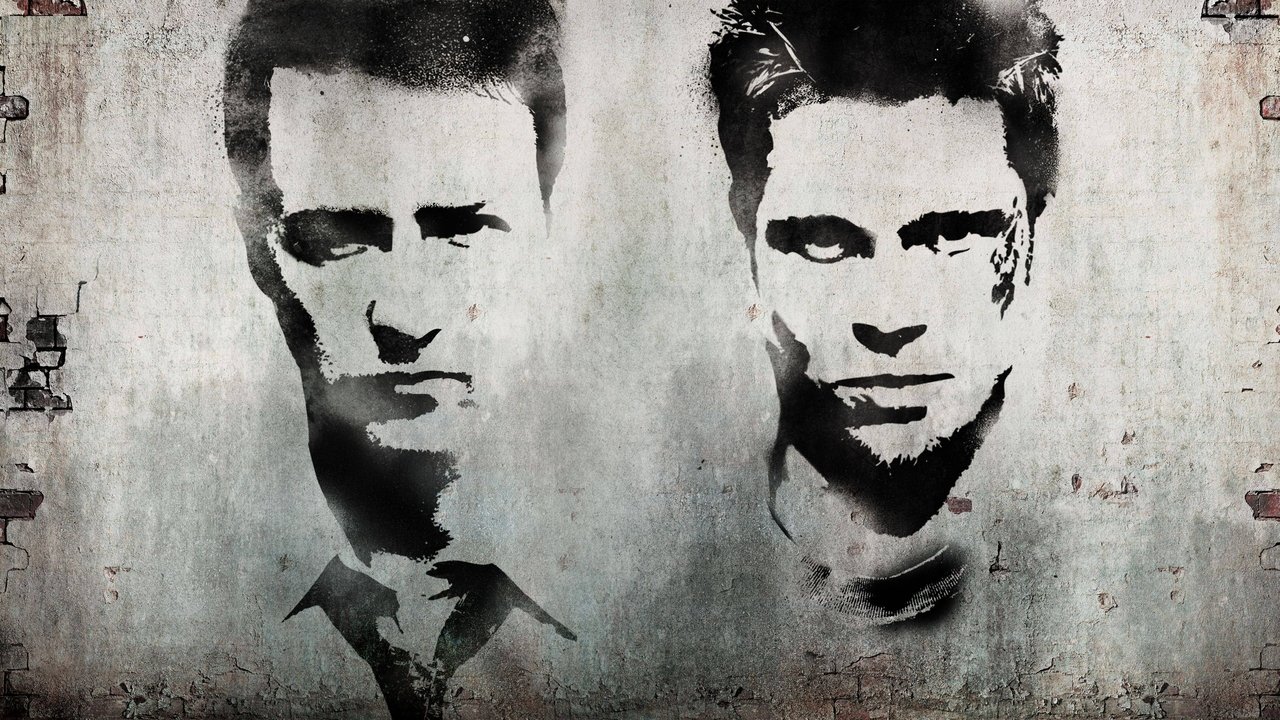
Fight Club arrived in 1999 like a sucker punch to the solar plexus of American masculinity. David Fincher's adaptation of Chuck Palahniuk's novel did something the 80s would never dare: it made its protagonist completely unreliable. Edward Norton's insomniac narrator isn't just confused—he's fundamentally broken, and Fincher uses every trick in his considerable arsenal to make us complicit in that breakdown. The director's signature green-tinted palette and razor-sharp editing create a world that feels simultaneously hyperreal and completely artificial.
Here's what's brilliant about Fincher's approach: he doesn't telegraph Tyler Durden's true nature through obvious visual cues. Instead, he plants subliminal flashes of Brad Pitt throughout the film's opening act—blink-and-you'll-miss-them insertions that work on your subconscious before your rational mind catches up. This kind of sophisticated narrative manipulation was unthinkable in the earnest, literal-minded 80s.
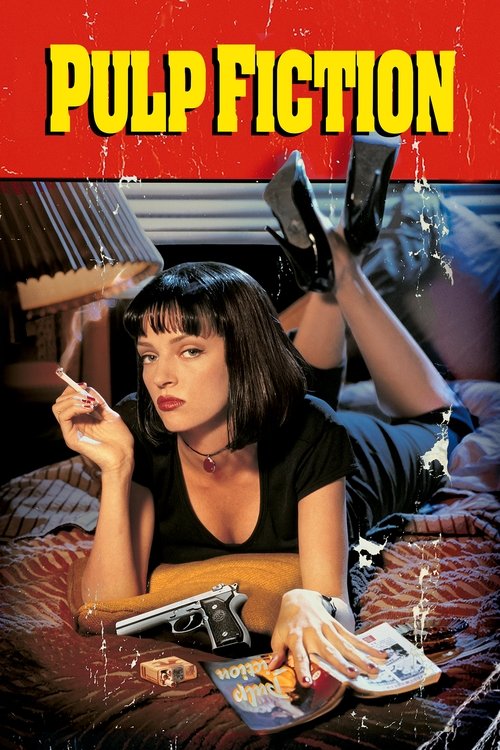
Quentin Tarantino's Pulp Fiction accomplished something even more audacious—it proved mainstream audiences could handle fractured chronology. Vincent Vega dies in the middle of the film but shows up for breakfast at the end. Jules Winnfield experiences a spiritual awakening that transforms him from hitman to philosopher. The film's three-act structure deliberately scrambles cause and effect, forcing viewers to actively participate in reconstructing the narrative.
Tarantino's innovation wasn't just temporal; it was tonal. He mixed genuine menace with absurdist comedy in ways that would have baffled 80s audiences weaned on clearly defined genres. When John Travolta's Vincent accidentally blows Marvin's head off in the backseat, the film treats it as both shocking violence and dark comedy. This moral ambiguity was revolutionary.

The Matrix represented the decade's technological anxiety made manifest. The Wachowski sisters created a film that looked like nothing that came before—"bullet time" wasn't just a special effect, it was a new cinematic language. When Neo dodges bullets in that impossible backward lean, we're watching the birth of digital cinema as art form. The green-tinted code sequences and impossibly choreographed fight scenes established visual vocabularies that filmmakers still reference today.
But honestly? The Matrix's real innovation was philosophical. It asked audiences to question the nature of reality itself—a pretty heavy lift for a summer blockbuster. Try imagining this premise pitched in 1985. Impossible.
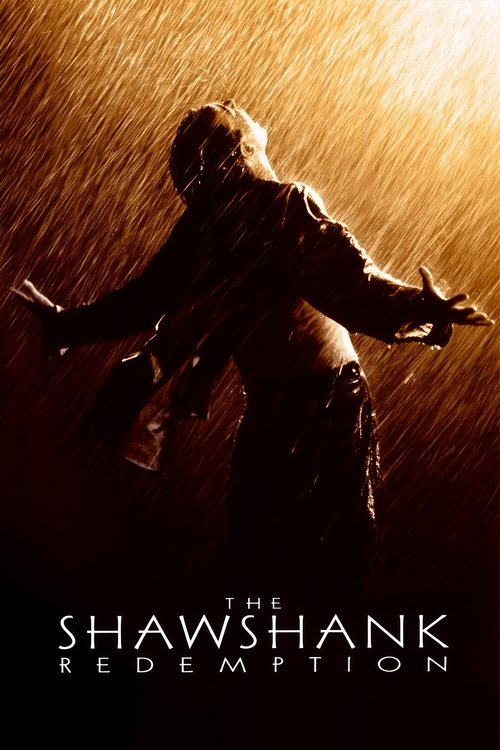
Frank Darabont's The Shawshank Redemption might seem like the most conventional entry here, but it was radical in its own quiet way. The film completely abandons the three-act structure that dominated 80s storytelling. Instead, it unfolds like a novel, allowing Andy Dufresne's friendship with Red to develop across decades. Darabont trusts his audience to invest in character development over plot mechanics.
The film's cinematography, courtesy of Roger Deakins, rejects the glossy sheen of 80s photography for something more naturalistic. Those long, patient shots of prison routine create genuine emotional investment. When Andy finally emerges from the sewage pipe into that thunderstorm, we've earned that catharsis through two hours of careful buildup.
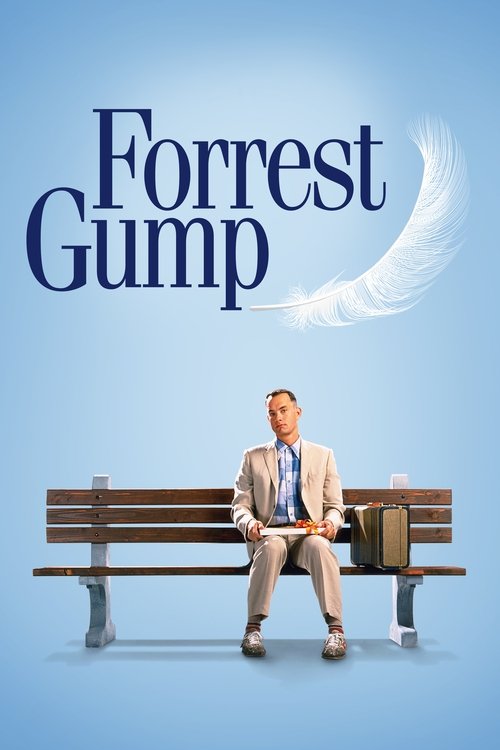
Forrest Gump remains the most controversial entry on this list. Robert Zemeckis pioneered seamless digital integration, placing Tom Hanks alongside historical figures with unprecedented realism. The technical achievement was staggering. But I think the film's real innovation was emotional—it created a genuinely simple protagonist who wasn't stupid or naïve. Forrest sees the world clearly; it's everyone else who's confused.
Here's my slightly unpopular take: Forrest Gump is actually more subversive than Fight Club. While Fincher's film rails against consumerism with heavy-handed symbolism, Zemeckis quietly suggests that maybe the counterculture movements of the 60s and 70s were missing the point entirely. Forrest succeeds through basic human decency—a pretty radical message wrapped in crowd-pleasing packaging.
What unites these films? They all treat their audiences as intelligent collaborators rather than passive consumers. Each demands active engagement in ways that would have been commercial suicide a decade earlier. The 80s gave us heroes who always knew what to do. The 90s gave us protagonists who were figuring it out as they went along.
These innovations rippled forward in ways we're still discovering. Without Pulp Fiction's narrative fragmentation, we don't get Memento or Eternal Sunshine. Without Fight Club's unreliable narrator, we don't get Gone Girl or Shutter Island. Without The Matrix's digital photography, we don't get... well, modern cinema.
The 90s taught Hollywood that audiences were ready for complexity. Thank God someone was listening.
If you're looking to explore more films from this transformative decade, or discover contemporary movies carrying forward these innovations, CinemaSearch offers personalized recommendations based on the specific elements that make these films so compelling. Sometimes the best way to understand where cinema is going is to remember where it's been.