Here's what drives me absolutely mad about film discourse: we constantly complain about Hollywood's lack of originality while simultaneously ignoring brilliant cinema that exists right under our noses. Whether it's subtitled films that intimidate casual viewers or documentaries dismissed as "niche," some of the most profound cinematic experiences remain hidden in plain sight.
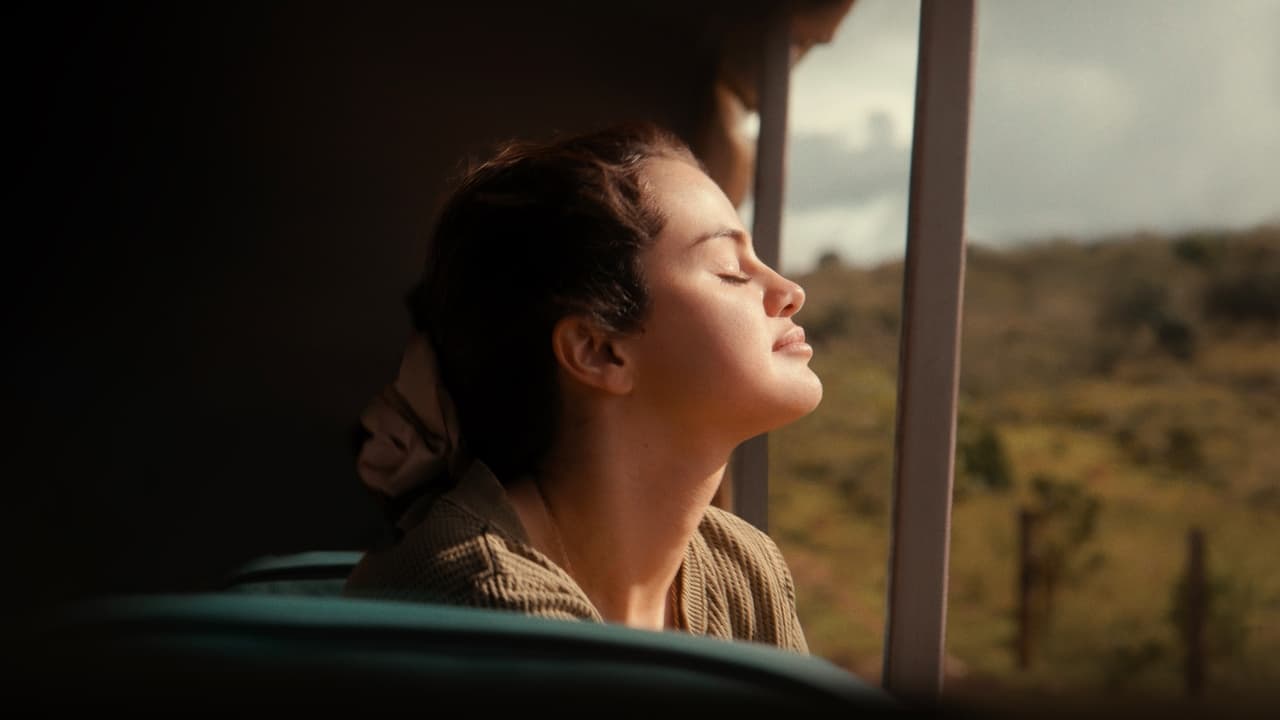
Take Selena Gomez: My Mind & Me—and honestly, hear me out before you roll your eyes.  I think this documentary got unfairly dismissed because people expected another sanitized celebrity puff piece. What director Alek Keshishian delivered instead is something far more unsettling: an unvarnished look at mental health struggles under the microscope of fame. The cinematography is deliberately intimate, often uncomfortably so, with handheld cameras that capture Gomez during panic attacks and therapy sessions. Sure, it's not perfect—some segments feel overly orchestrated—but the raw honesty of watching someone grapple with lupus and bipolar disorder while maintaining a public persona is genuinely harrowing. It deserved better than being relegated to Apple TV+ obscurity.
Now, Dilwale Dulhania Le Jayenge—this one's complicated. 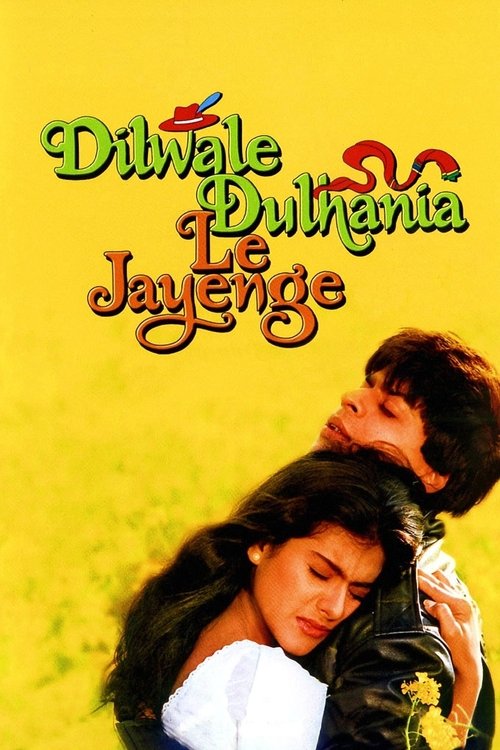 In India, this Aditya Chopra romance is practically a cultural institution, running continuously in Mumbai theaters for over two decades. Western audiences? They've barely heard of it. That's criminal negligence of the highest order. Shah Rukh Khan and Kajol's chemistry crackles with an authenticity that makes most Hollywood rom-coms feel synthetic. Chopra's direction walks a masterful tightrope between tradition and modernity—Raj's pursuit of Simran isn't just romantic comedy; it's cultural commentary about diaspora identity and generational conflict. The train sequences alone, shot with sweeping romanticism that would make David Lean weep, deserve preservation in film school curricula. Yes, it's three hours long. Yes, there are musical numbers. Get over it.
I have strong feelings about Seven Samurai being "overlooked," because technically it's revered by critics and filmmakers.  But here's my controversial take: general audiences still avoid it like the plague. Black and white? Foreign language? Nearly four hours? They're missing Akira Kurosawa's most accessible masterpiece. The action choreography remains unmatched—those battle sequences influenced everything from The Magnificent Seven to Star Wars. Toshiro Mifune's Kikuchiyo is pure magnetic screen presence, a performance that swings from comedic to tragic without missing a beat. Kurosawa's use of telephoto lenses creates this incredible depth of field that makes every frame feel like a moving painting. But honestly? The real tragedy is that modern viewers, spoiled by rapid-fire editing, can't appreciate the patient storytelling that builds to those explosive final acts.
Masaki Kobayashi's Harakiri might be the most perfectly constructed film on this list.  Released in 1962, it systematically deconstructs samurai mythology with surgical precision. Tatsuya Nakadai's performance as Hanshirō is a masterclass in controlled fury—watch his face during the revelation scenes and try not to get chills. Kobayashi's direction is deceptively simple; static cameras that force you to confront the moral complexity head-on. The film's critique of blind institutional loyalty feels more relevant now than ever, but Western distributors have never known how to market it. Too philosophical for action fans, too violent for art house purists. It fell through every demographic crack imaginable.
Cinema Paradiso at least got some recognition—it won the Oscar for Best Foreign Language Film in 1990. 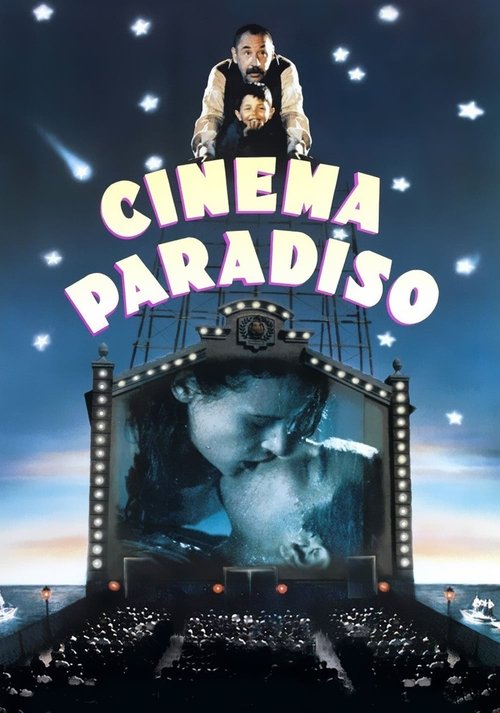 But Giuseppe Tornatore's love letter to moviegoing deserves so much more than occasional film school screenings. The relationship between young Salvatore and projectionist Alfredo captures something essential about how cinema shapes our understanding of love, loss, and memory. Philippe Noiret's performance as Alfredo is heartbreaking—gruff exterior hiding profound tenderness. Those final moments, with the montage of censored kisses, absolutely destroys me every time. The film's meditation on how technology changes artistic experience feels prophetic in our streaming age.
These films failed to find wider audiences for different reasons. Marketing departments didn't understand them. Distribution was limited. Cultural barriers seemed insurmountable. Sometimes they were simply ahead of their time, or behind it.
But here's the beautiful thing about cinema: great films don't expire. They wait patiently for rediscovery. If you're feeling adventurous and want to explore more hidden gems like these, I've been having great luck with CinemaSearch lately—their recommendation algorithm actually understands that loving Seven Samurai might mean you're ready for other patient, character-driven epics, regardless of country or decade. Sometimes the best discoveries happen when we stop limiting ourselves to what's familiar and start trusting that extraordinary stories can come from anywhere.