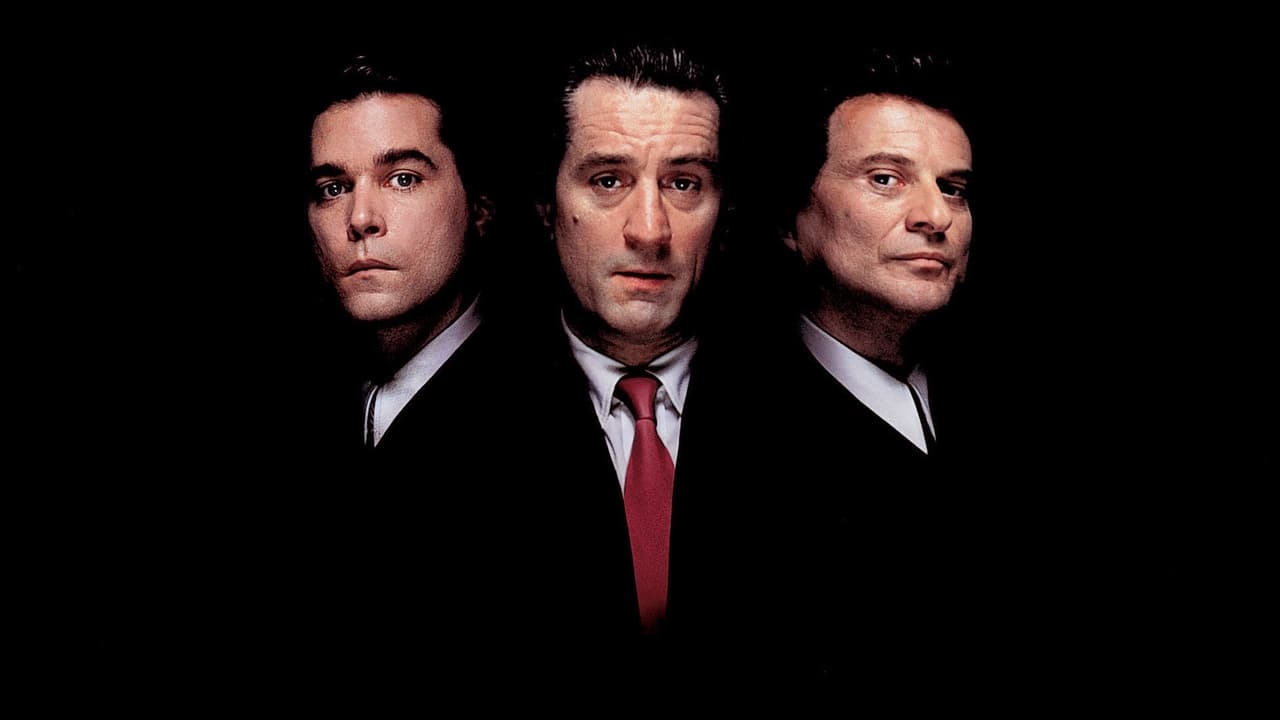
I have a confession: I avoided GoodFellas for nearly two decades. Honestly, I thought I'd seen enough gangster films to last a lifetime. The genre felt exhausted after the cocaine-fueled excess of Scarface and the operatic violence of countless 80s crime thrillers. I was wrong—catastrophically wrong—and my eventual encounter with Scorsese's masterpiece became a revelation about how the 1990s fundamentally transformed cinema.
The 1990s marked a seismic shift in filmmaking, a decade when directors abandoned the bombastic certainties of Reagan-era Hollywood for something far more complex and unsettling. Where 80s cinema often provided clear heroes and satisfying resolutions, the 90s embraced moral ambiguity, unreliable narrators, and endings that left audiences genuinely uncomfortable. Three films exemplify this transformation, each representing a different facet of how cinema evolved during this remarkable decade.
The Kinetic Revolution of Crime

Martin Scorsese's GoodFellas opens with Henry Hill's matter-of-fact declaration: "As far back as I can remember, I always wanted to be a gangster." What follows isn't the mythologized criminality of The Godfather trilogy, but something far more visceral and immediate. Scorsese strips away the romanticism, presenting organized crime as a lifestyle choice driven by mundane desires for respect, money, and belonging.
The film's revolutionary approach lies in its relentless forward momentum. Michael Ballhaus's cinematography rarely settles, employing extended tracking shots that thrust viewers directly into Henry's world. The famous Copacabana sequence—that unbroken journey through the kitchen and into the club—doesn't just show off technical prowess; it immerses us so completely in Henry's perspective that we begin to understand his intoxication with this life.
Ray Liotta delivers a performance of manic energy perfectly calibrated to Scorsese's vision. His Henry isn't the brooding antihero of 80s cinema but something more dangerous: a completely unreliable narrator who genuinely believes his own justifications. Robert De Niro and Joe Pesci provide the film's emotional anchors, with Pesci's Tommy DeVito representing pure, unpredictable violence that could erupt at any moment.
Here's what makes GoodFellas so influential: Scorsese abandons traditional three-act structure for something that feels like lived experience. The film moves in waves, accelerating and decelerating based on Henry's psychological state rather than conventional plot beats. This approach would later influence everything from Pulp Fiction to The Sopranos, establishing a new grammar for crime narratives that prioritized character psychology over plot mechanics.
Technology Meets Humanity
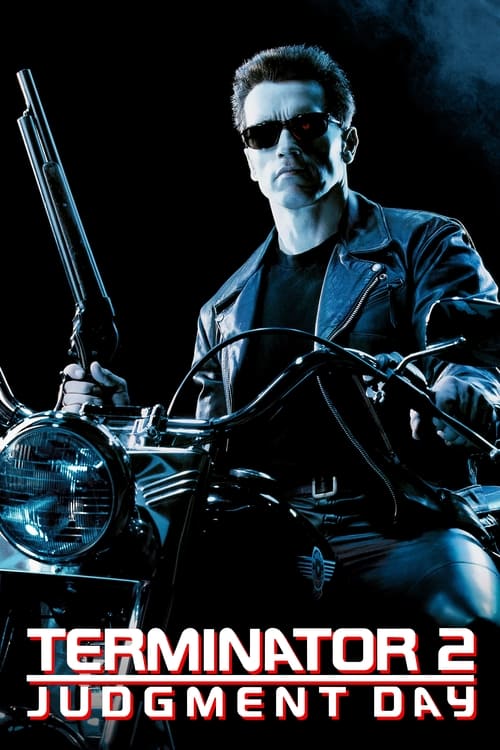
James Cameron's Terminator 2: Judgment Day could have easily been just another 80s-style action sequel. Instead, Cameron used cutting-edge technology to explore profoundly human themes about destiny, sacrifice, and the possibility of change. The film's genius lies in how it inverts every expectation established by its predecessor while delivering spectacular action sequences that still hold up today.
Arnold Schwarzenegger's reprogrammed T-800 becomes the film's emotional center, a killing machine learning to value human life. Cameron's direction extracts genuine pathos from Schwarzenegger's limited range, turning his mechanical delivery into a feature rather than a bug. The relationship between the Terminator and young John Connor, played with surprising depth by Edward Furlong, anchors the film's more spectacular elements in recognizable human emotion.
Robert Patrick's T-1000 represents a quantum leap in digital effects, but Cameron wisely uses the technology to serve character rather than overwhelm it. The liquid metal assassin embodies our deepest fears about technology—its cold perfection, its ability to mimic humanity while remaining fundamentally alien. Linda Hamilton's transformation into Sarah Connor, meanwhile, reflects the film's central theme: people can change, sometimes drastically.
Cinematographer Adam Greenberg creates a visual palette that bridges the stark industrial aesthetic of the original with something warmer and more hopeful. The film's action sequences feel weighty and consequential rather than cartoonish. Cameron's direction maintains relentless pace while never sacrificing character development for spectacle.
Terminator 2 influenced blockbuster filmmaking by proving that advanced technology could enhance rather than replace emotional storytelling. Its approach to digital effects—using them sparingly but effectively—created a template that filmmakers would follow for decades. More importantly, it demonstrated that sequel filmmakers could subvert audience expectations while still delivering the thrills they craved.
Comedy's Dangerous Territory

Roberto Benigni's Life Is Beautiful represents perhaps the decade's most audacious creative risk: finding humor in the Holocaust. I know that sentence makes many people uncomfortable, and it should. The film walks an impossibly thin line between sentiment and sacrilege, somehow managing to honor both the horror of genocide and the power of human imagination to transcend unthinkable circumstances.
Benigni's performance as Guido Orefice is a masterclass in tonal control. In the film's first half, he's a classic comic romantic lead, winning over Dora through charm and elaborate schemes. His physical comedy feels genuinely inspired rather than forced. But when the Nazi deportations begin, Benigni transforms his character's whimsy into a desperate survival strategy.
The film's controversial masterstroke is convincing young Joshua that their concentration camp experience is an elaborate game. Benigni the director walks this tightrope with remarkable assurance, never minimizing the camps' horror while showing how one father's imagination might protect his child's innocence. Nicoletta Braschi brings dignity and strength to Dora, avoiding the thankless "worried wife" role that lesser films would have assigned her.
Tonino Delli Colli's cinematography shifts subtly between the film's halves, moving from warm, romantic lighting to the harsh realities of camp life without losing its essential humanity. Benigni's direction maintains his character's perspective throughout, showing us events through the lens of someone determined to find hope in hopelessness.
Life Is Beautiful influenced cinema by proving that comedy could tackle the most serious subjects without diminishing their importance. Its approach to historical trauma—finding individual human stories within larger tragedies—would inspire countless subsequent films. More controversially, it suggested that survival sometimes requires self-deception, a theme that remains deeply relevant.
The Decade's Lasting Impact
These three films illustrate how 90s cinema abandoned the clear moral frameworks of previous decades for something more complex and challenging. Directors like Scorsese, Cameron, and Benigni trusted audiences to engage with difficult material, to sit with ambiguity rather than demand easy answers.
This shift toward narrative sophistication and moral complexity would define cinema for the next three decades. The antihero protagonists of prestige television, the morally ambiguous blockbusters of the 2000s, even the current wave of genre-blending films—all trace their lineage back to the innovations of 1990s filmmaking.
If you're interested in exploring more films from this transformative decade, I'd recommend checking out CinemaSearch. Their recommendation engine does an excellent job of connecting viewers with films that share similar themes, directorial approaches, or tonal qualities. Sometimes the best way to understand a particular era of filmmaking is to dive deep into its catalog rather than just hitting the obvious highlights.