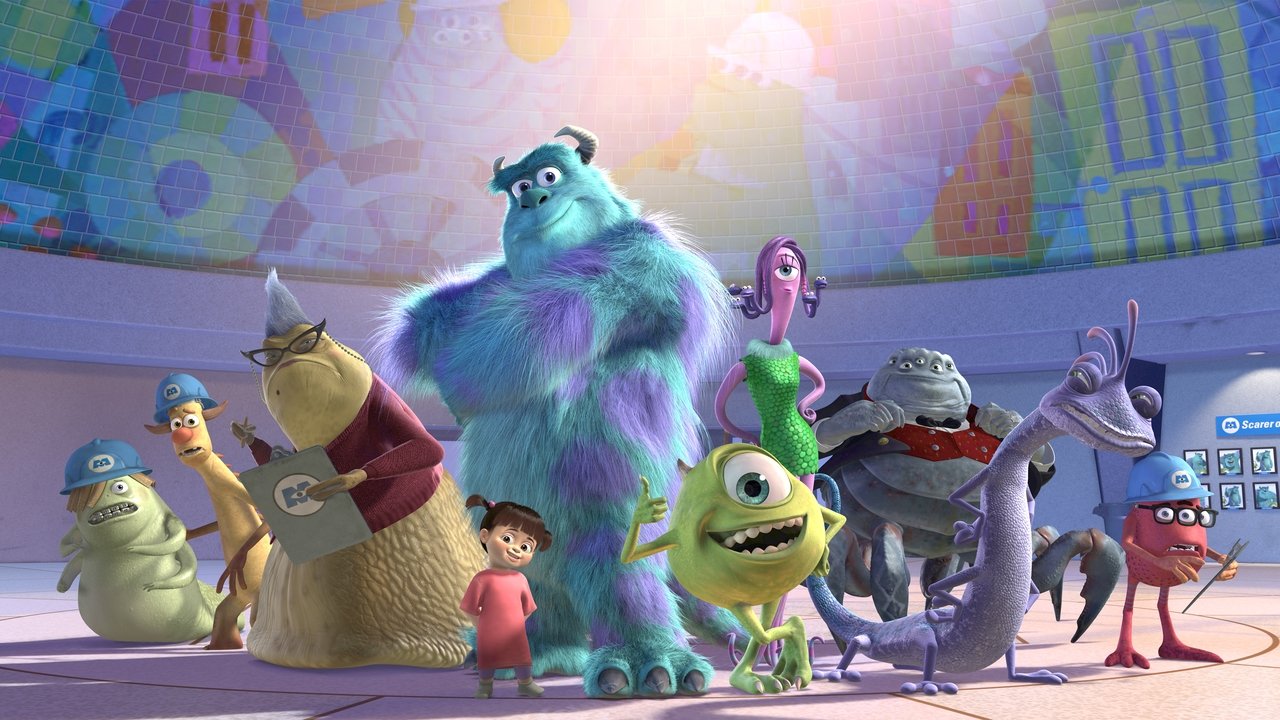
The dawn of the new millennium brought with it a cinematic revolution that would forever change the landscape of animation and filmmaking. As audiences stepped into the 2000s, they were greeted by a wave of innovative movies that didn't just entertain—they launched billion-dollar franchises, established new animation studios as powerhouses, and proved that animated films could rival any live-action blockbuster in terms of storytelling sophistication and cultural impact.
Pixar's Golden Age: Redefining Animation Excellence
Pixar Animation Studios entered the 2000s with unprecedented ambition, delivering films that would become cornerstones of modern cinema. Monsters, Inc. (2001) exemplified this new era of storytelling excellence.
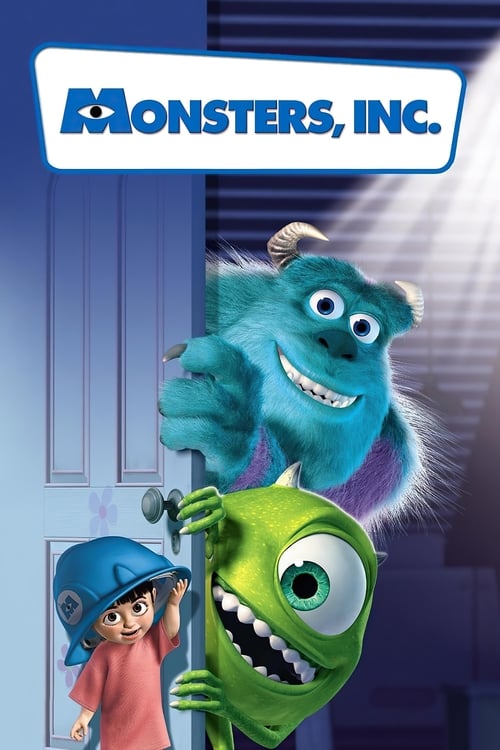
Directed by Pete Docter, David Silverman, and Lee Unkrich, Monsters, Inc. introduced audiences to the brilliant world of Monstropolis, where monsters generate power by scaring children. The film starred John Goodman as the lovable giant Sulley and Billy Crystal as his wisecracking partner Mike Wazowski. When a human child nicknamed "Boo" accidentally enters their world, the story transforms into a touching exploration of friendship, fear, and the power of laughter over screams.
The movie's technical innovations were groundbreaking—Sulley's fur alone required new rendering technology that pushed computer animation to unprecedented levels. But beyond its visual achievements, Monsters, Inc. launched a franchise that continues to this day, spawning sequels, prequels, and theme park attractions that have generated billions in revenue.
Three years later, Pixar delivered another franchise-defining masterpiece with The Incredibles (2004).

Brad Bird's superhero family saga arrived years before the Marvel Cinematic Universe dominated theaters, proving that audiences were hungry for sophisticated superhero storytelling. The film followed Bob Parr (Craig T. Nelson), a former superhero forced into mundane suburban life as an insurance adjuster, alongside his equally gifted wife Helen (Holly Hunter) and their superpowered children.
The Incredibles tackled mature themes of midlife crisis, family dynamics, and social responsibility while delivering spectacular action sequences that rivaled any live-action superhero film. Its influence on the genre cannot be overstated—it demonstrated that animated superhero films could be both family-friendly and narratively complex, paving the way for the superhero boom that would define the following decades.
Pixar continued this streak with Ratatouille (2007), another franchise-launcher that showcased the studio's commitment to unlikely protagonists and universal themes.

Directed by Brad Bird, Ratatouille told the story of Remy, a rat with culinary dreams who partners with bumbling kitchen worker Linguini in a prestigious Parisian restaurant. The film featured Patton Oswalt as Remy and explored themes of artistic passion, class barriers, and the democratization of creativity. Its famous line "Anyone can cook" became a cultural touchstone, and the movie's sophisticated treatment of food culture helped elevate animated films to new levels of cultural relevance.
DreamWorks Challenges the Status Quo
While Pixar perfected emotional storytelling, DreamWorks Animation carved out its own niche with irreverent humor and pop culture satire. Shrek (2001) became the studio's defining moment and a cultural phenomenon.
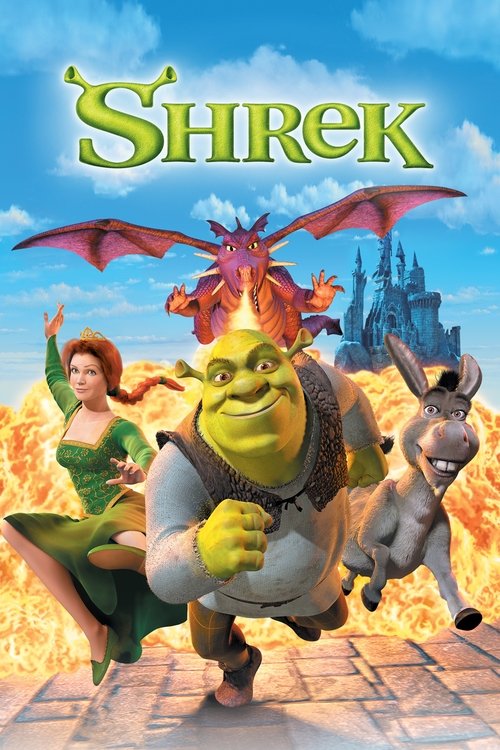
Directed by Andrew Adamson and Vicky Jenson, Shrek revolutionized animated filmmaking by subverting fairy tale tropes and delivering humor that worked on multiple levels. Mike Myers voiced the titular ogre, alongside Eddie Murphy as the unforgettable Donkey, Cameron Diaz as Princess Fiona, and John Lithgow as the villainous Lord Farquaad.
The film's success launched one of the most profitable animated franchises in history, but more importantly, it established a new template for animated comedy. Shrek's irreverent approach to storytelling, combined with its clever pop culture references and celebrity voice casting, influenced countless animated films that followed.
Live-Action Innovation: Tarantino's Cinematic Revolution
The 2000s weren't just about animation—live-action cinema also saw revolutionary storytelling approaches. Kill Bill: Vol. 1 (2003) marked Quentin Tarantino's triumphant return and launched one of cinema's most beloved revenge sagas.
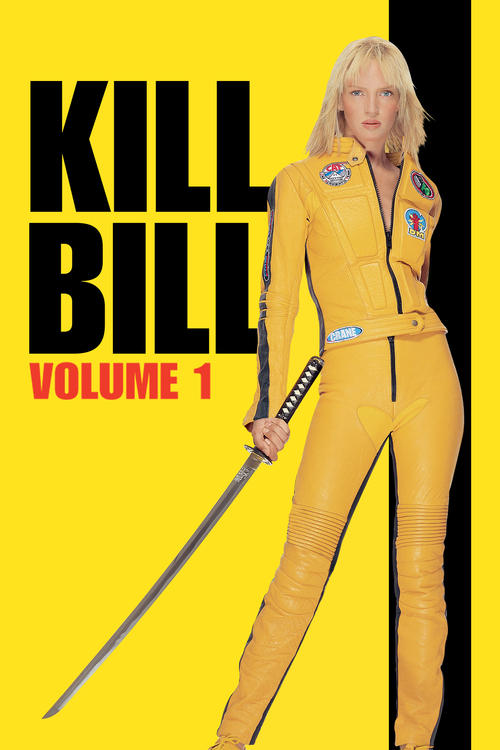
Starring Uma Thurman as "The Bride," a former assassin seeking vengeance against her former colleagues, Kill Bill showcased Tarantino's mastery of genre-blending cinema. The film combined elements of martial arts movies, spaghetti westerns, and Japanese samurai films, creating a unique cinematic language that influenced action filmmaking for decades.
The movie's innovative use of animation sequences, particularly the anime-style backstory of O-Ren Ishii, demonstrated how different visual styles could coexist within a single narrative, influencing filmmakers to experiment with mixed media approaches.
Cultural Impact and Legacy
These 2000s films didn't just succeed commercially—they fundamentally changed how we think about animated storytelling and franchise building. They proved that animated films could tackle complex themes, that voice acting could become a prestigious career path for A-list actors, and that audiences were ready for more sophisticated entertainment.
The technical innovations pioneered in these films—from Pixar's rendering breakthroughs to DreamWorks' character animation—established the foundation for modern computer animation. Meanwhile, their storytelling approaches influenced everything from Marvel's cinematic universe to the current renaissance in adult-oriented animation.
Twenty-plus years later, these franchises continue to generate new content, proving the enduring power of the creative foundations laid in that transformative decade. They represent a time when cinema was willing to take risks, experiment with new technologies, and trust audiences to embrace innovative storytelling.
Ready to discover more defining films from cinema's most innovative decades? Use CinemaSearch to explore similar groundbreaking movies that shaped the film industry and find your next favorite franchise-starter from the revolutionary 2000s and beyond.