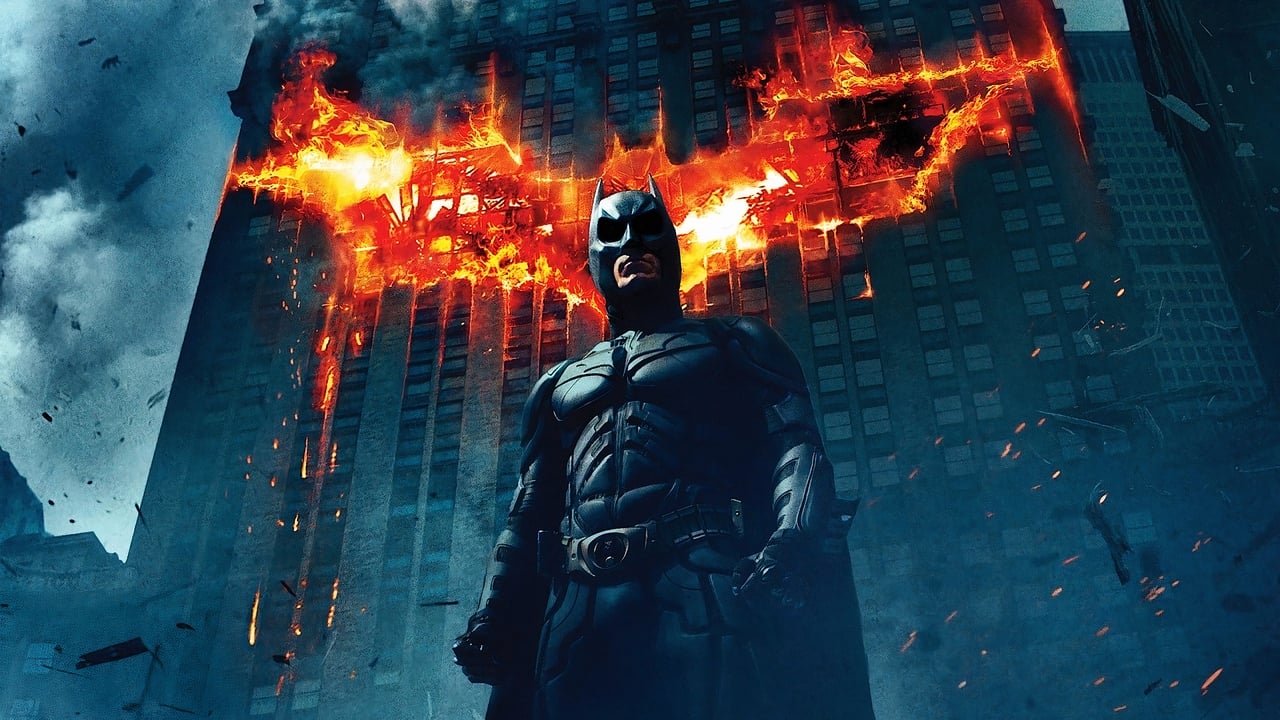
I was seventeen, working at a movie theater, when I finally watched The Dark Knight during my break. Honestly? I expected another decent Batman flick. What I got instead was a complete rewiring of my understanding of what blockbuster cinema could accomplish.
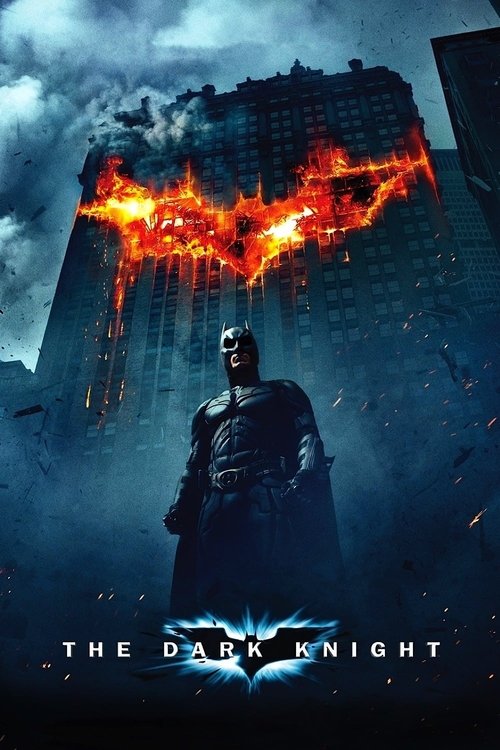
Christopher Nolan's masterwork didn't just elevate superhero movies—it proved that massive budget films could tackle serious themes without talking down to audiences. That hospital explosion scene where Heath Ledger's Joker fumbles with the detonator? Pure cinematic gold that emerged from a real technical malfunction. Nolan kept it because it perfectly captured the character's chaotic unpredictability. Here's the thing though: The Dark Knight also represents everything problematic about modern franchise filmmaking. Studios saw its success and thought "dark and gritty" was a magic formula. Suddenly every superhero movie needed to be a meditation on moral ambiguity.
But let me back up. The 2000s were this incredible inflection point where digital technology finally caught up with filmmakers' wildest dreams, yet some of the decade's biggest successes still relied heavily on practical effects and storytelling fundamentals.
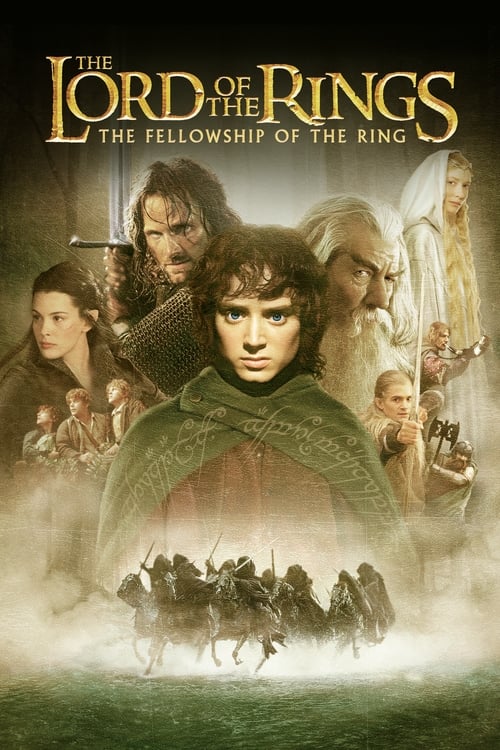
Take Peter Jackson's Fellowship of the Ring. When Gandalf hits his head on Bilbo's ceiling—that wasn't planned. Ian McKellen actually smacked into the low beam, stayed in character, and created one of the most humanizing moments in the entire trilogy. Jackson's blend of digital environments with practical makeup and miniatures created a template that modern filmmakers are still trying to replicate. The crazy part? This movie launched the franchise era before anyone called it that. Three films shot simultaneously, massive marketing campaigns, endless merchandise—Lord of the Rings essentially invented the modern blockbuster playbook.
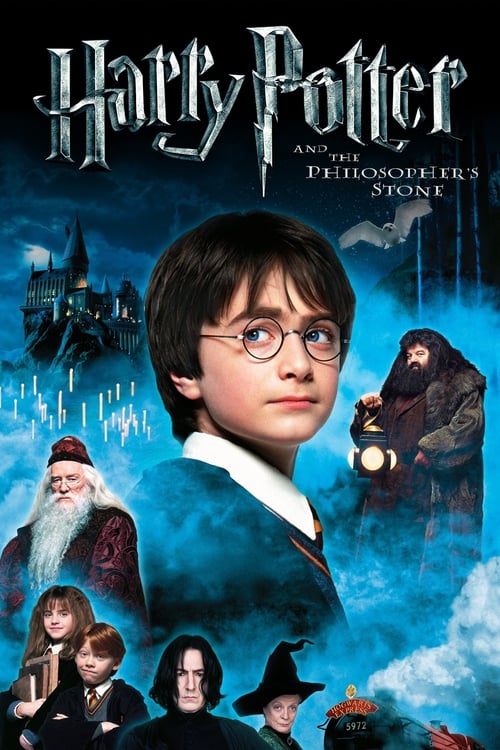
Chris Columbus's Harry Potter and the Philosopher's Stone might be the most underrated franchise launcher ever. I know, I know—everyone prefers Prisoner of Azkaban or Goblet of Fire. But Columbus did something incredible: he made magic feel completely ordinary. That Great Hall feast scene where food simply appears on the tables? No fanfare, no dramatic music sting. Just magic as everyday reality. This approach grounded the entire wizarding world in a way that made eight films possible. Without Columbus treating Hogwarts like a real place instead of a fantasy theme park, the later, darker films would have felt ridiculous.
Unpopular opinion incoming: Iron Man is actually the most important film on this list, and it's not particularly close.
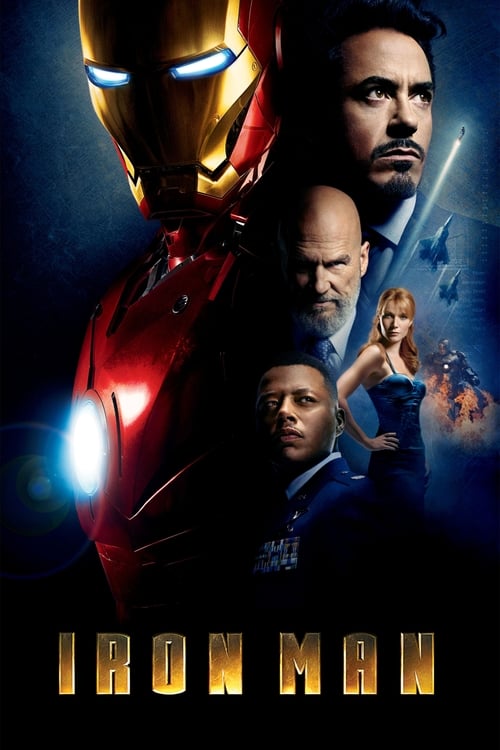
Jon Favreau's decision to ground Tony Stark in recognizable technology and political reality created the Marvel Cinematic Universe template. That cave sequence where Stark builds the Mark I armor? Favreau shot it like a gritty war film, not a superhero origin story. Robert Downey Jr.'s improvised "I am Iron Man" line completely destroyed the secret identity trope that had dominated superhero narratives for decades. This single moment changed everything. No more bumbling Clark Kent routines—superheroes could now be fully integrated public figures. The ripple effects are still playing out in 2025.
But then there's Avatar.
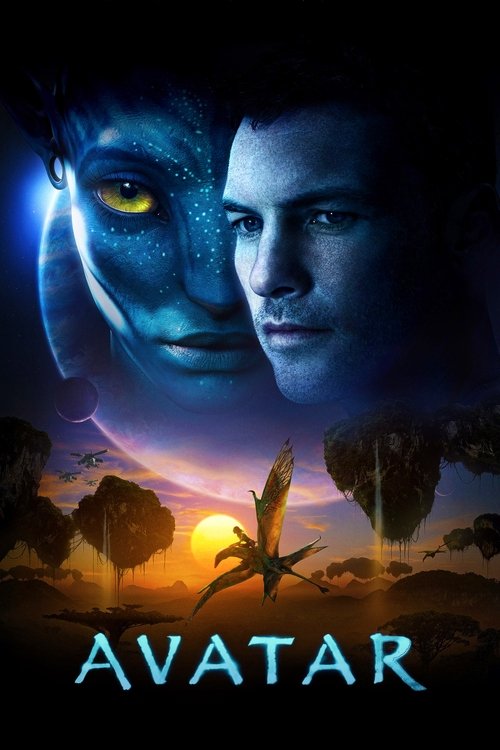
Look, I appreciate what James Cameron accomplished technically. The motion capture work on Pandora remains genuinely impressive. That first flight sequence with Jake and his ikran still gives me chills. Cameron basically invented modern 3D filmmaking and proved that audiences would pay premium prices for genuinely immersive experiences.
Here's my problem: Avatar represents everything I hate about digital-first filmmaking. The story is Dances with Wolves in space, but somehow less interesting. Jake Sully might be cinema's blandest protagonist. The dialogue ranges from serviceable to cringe-inducing. "I see you"? Really? But none of that mattered because the spectacle was unprecedented. Avatar taught Hollywood that technological innovation could compensate for narrative weaknesses—a lesson that's haunted blockbuster filmmaking ever since.
What's fascinating is how these five films represent the 2000s' three major cinematic shifts happening simultaneously. Digital effects finally looked convincing (Avatar, Fellowship), franchise filmmaking became the dominant business model (Harry Potter, Iron Man), and serious filmmakers started taking genre material seriously (Dark Knight).
The decade also marked the beginning of the end for mid-budget filmmaking. These massive successes created an industry obsession with $200 million tentpoles and $5 million indies, with very little in between. That gap has only widened in the years since.
I think about these movies constantly when I'm exploring new films, especially when trying to understand how we got to our current moment of franchise fatigue and digital overload. The 2000s gave us incredible tools and proved that audiences hungry for ambitious, interconnected storytelling—but they also created templates that have been endlessly, often mindlessly, replicated.
If you're interested in exploring how these films influenced everything that came after, I'd definitely recommend checking out CinemaSearch. Their recommendation engine is surprisingly good at connecting these foundational 2000s films with more recent movies that either build on or react against their innovations. It's been incredibly useful for tracking these artistic and commercial lineages that define modern cinema.