I was fifteen, sprawled on my friend's basement couch, when I first watched someone rappel down a building in an action movie and thought "holy shit, someone actually did that." Changed everything for me. Made me realize there's this massive gulf between action movies that respect your intelligence and ones that just throw pixels at your eyeballs until you submit.
Here's the thing about modern action - we've gotten so caught up in what's possible that we've forgotten what's visceral. Take something like The Avengers. Don't get me wrong, I love watching Iron Man zip around Manhattan, but honestly? The best moments aren't the CGI spectacle. They're when Black Widow's doing actual hand-to-hand combat or when Hawkeye's pulling off those ridiculous arrow shots that Jeremy Renner actually trained for.
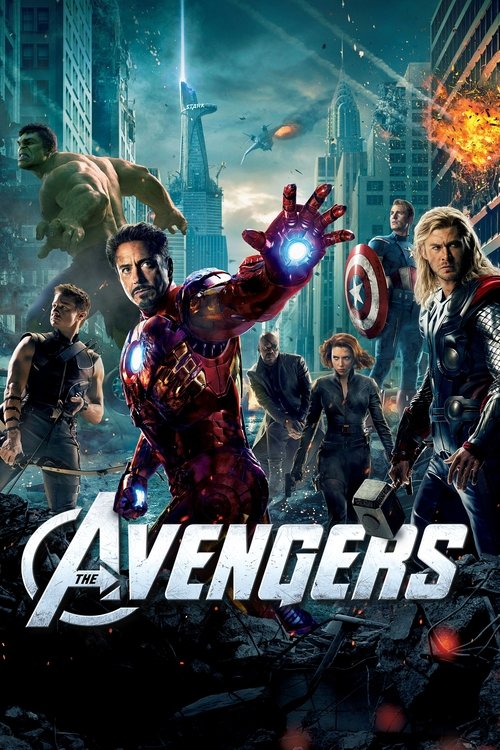
Look, Joss Whedon understood something crucial - even in a world of gods and monsters, the action needs to feel grounded. The Hulk smashing Loki is funny because it's so brutally physical. When Thor and Iron Man are duking it out in the forest, you can feel the weight behind every hit. That's craft.
Then you've got something like xXx, which people love to dump on, but honestly? Rob Cohen knew exactly what he was making. Vin Diesel sliding down that banister while shooting bad guys, jumping motorcycles off bridges, snowboarding away from an avalanche - yeah, some of it's enhanced, but the core stunts are real. The man actually learned to snowboard for that sequence.

That's what I'm talking about. Commitment to the bit. When Xander Cage is doing his extreme sports routine, you're not watching a computer simulation of rebellion - you're watching someone who trained for months to make those moves look effortless. There's a difference between CGI Vin Diesel and actual Vin Diesel hanging off the side of a speeding car, and your brain knows it even if you can't articulate why.
The really interesting stuff happens when filmmakers use technology to enhance practical work instead of replacing it. Predator: Badlands looks like it's going back to that sweet spot - combining old-school creature effects with modern filmmaking techniques. The original Predator worked because that suit was heavy, clunky, real. Arnold Schwarzenegger and his team were genuinely reacting to something tangible, not a tennis ball on a stick.

Honestly, I'm hoping Dan Trachtenberg brings that same practical magic he used in Prey. That movie proved you can make a Predator film feel fresh without drowning it in digital nonsense. The hunt sequences, the weapon work, the way the creature moved through the environment - it all felt present in a way that matters.
Speaking of presence, here's my slightly controversial take: sometimes lower budgets force better action choreography. When you can't afford to blow up a city block, you have to get creative with camera angles, editing rhythms, fight choreography. You've got to make every punch count.
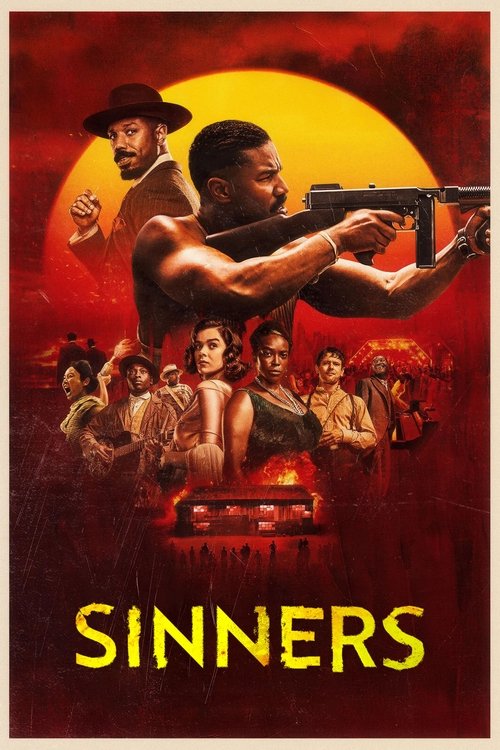
Sinners is banking on this philosophy, from what I can tell. Ryan Coogler's not trying to reinvent physics - he's focusing on character-driven action where the stakes feel personal. When twin brothers are fighting for their lives, you want to see the desperation in their eyes, feel the impact when they hit the ground. That's harder to achieve when everything's happening inside a computer.
The directors who really get it understand that action sequences are just dialogue by other means. Every car chase, every fight scene, every explosion should tell us something about the characters involved. One Battle After Another seems to grasp this - it's not about a washed-up revolutionary punching his way through generic bad guys. It's about a father reconnecting with his daughter while confronting his past. The action serves the story, not the other way around.

Look, I'm not some CGI purist who thinks digital effects are evil. Hell no. I just think they should enhance reality, not replace it entirely. The best modern action movies use CGI like seasoning - essential for the recipe, but not the main ingredient. You remove wire rigs, add some environmental effects, maybe paint out safety equipment. But the core human performance? That stays real.
The difference between watching someone actually flip a car versus watching a computer flip a car isn't just visual - it's emotional. When you know a stunt performer risked something to create that moment, it changes how you experience it. There's this underlying tension, this respect for the craft that elevates everything.
That's what separates action movies with actual craft from expensive screensavers. It's the difference between spectacle and cinema. Both have their place, honestly, but only one will stick with you after the credits roll.
If you're trying to find more movies that prioritize practical stunts over digital wizardry, CinemaSearch has this really solid recommendation engine that actually understands the difference between "action movies" and "movies with action scenes." Been using it to dig up older films I missed and track down the upcoming releases that might actually respect the craft. Game changer for finding stuff that'll make you believe in movie magic again.