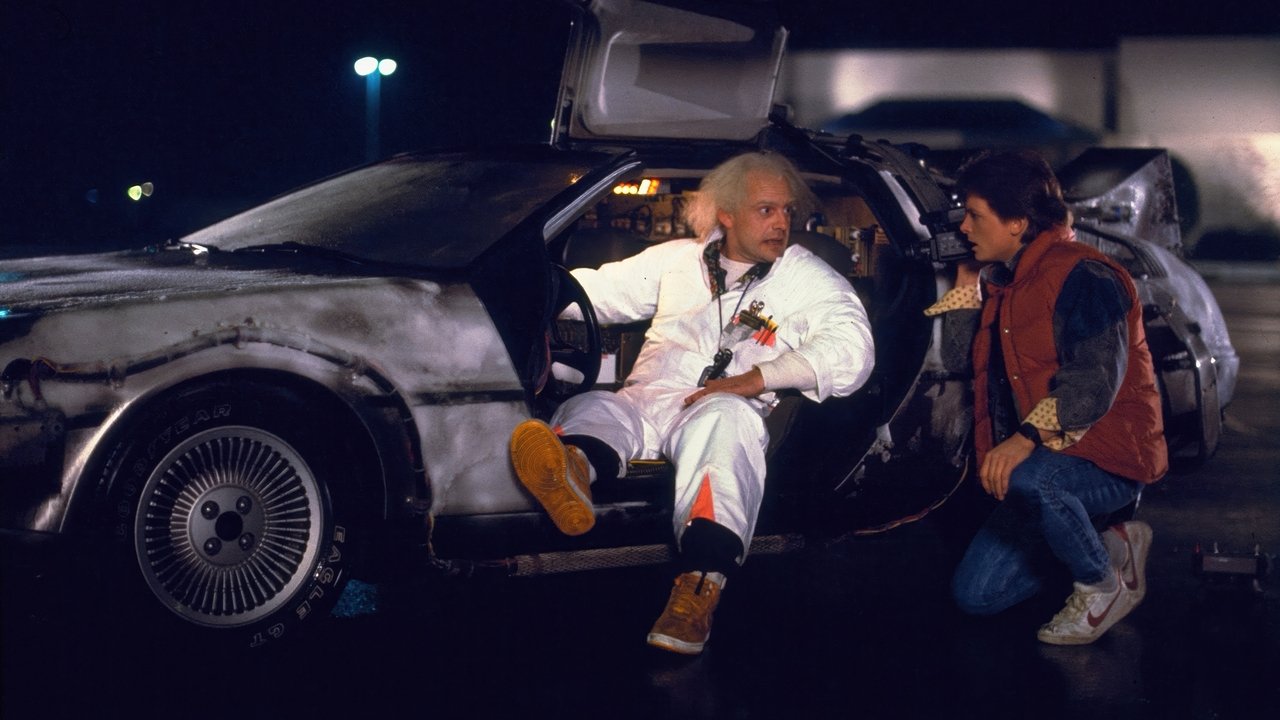
The 1980s wasn't just a decade—it was a cultural phenomenon that gave birth to some of cinema's most enduring masterpieces. As we look back from 2025, these films haven't just aged gracefully; they've become timeless touchstones that continue to inspire new generations of moviegoers, directors, and dreamers. The magic of '80s cinema lies not just in its storytelling, but in its ability to capture the hopes, fears, and boundless imagination of an era defined by technological advancement and cultural transformation.
Time Travel and Teen Dreams: Back to the Future
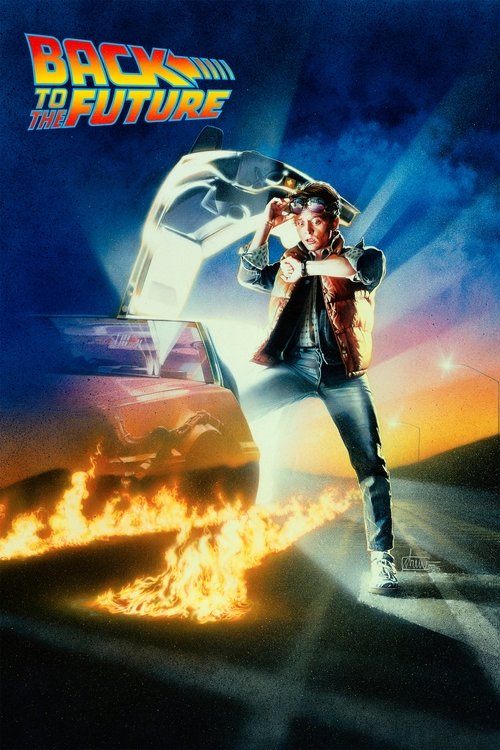
Robert Zemeckis' "Back to the Future" (1985) represents everything magical about '80s filmmaking. Michael J. Fox's Marty McFly accidentally travels back to 1955 in Doc Brown's DeLorean time machine, inadvertently disrupting his parents' first meeting and threatening his own existence. The film's genius lies in its perfect balance of high-concept science fiction, heartfelt family drama, and pure entertainment.
Christopher Lloyd's eccentric Doc Brown became an instant icon, while the film's exploration of destiny versus free will resonated with audiences facing their own uncertain futures. The movie's cultural impact extends far beyond cinema—the DeLorean became a pop culture symbol, "Great Scott!" entered the lexicon, and the film's optimistic view of technology and human potential captured the '80s spirit perfectly. Even in 2025, its themes of family, friendship, and the power to change one's destiny remain universally appealing.
Psychological Horror Perfected: The Shining

Stanley Kubrick's "The Shining" (1980) stands as one of cinema's greatest psychological horror films. Jack Nicholson delivers a career-defining performance as Jack Torrance, a writer who descends into madness while serving as winter caretaker of the isolated Overlook Hotel with his wife Wendy and psychic son Danny. Kubrick's meticulous direction transforms Stephen King's novel into a visual and psychological masterpiece.
The film's influence on horror cinema cannot be overstated. From its iconic imagery—the twins in the hallway, the elevator of blood, "Here's Johnny!"—to its exploration of domestic violence and psychological breakdown, "The Shining" established templates that filmmakers still follow today. Its ambiguous ending and layered symbolism have spawned decades of analysis and interpretation, proving that the best '80s films operated on multiple levels simultaneously.
A Galaxy Far, Far Away: The Star Wars Saga Continues
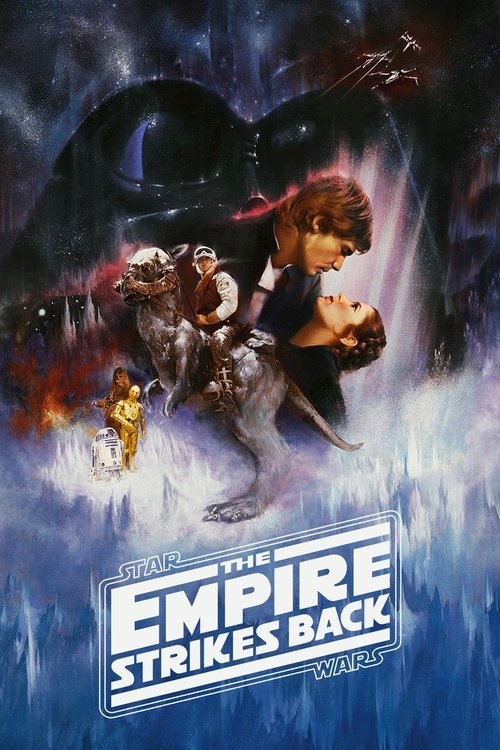
Irvin Kershner's "The Empire Strikes Back" (1980) proved that sequels could surpass their predecessors. Darker and more complex than the original "Star Wars," the film follows Luke Skywalker's Jedi training with Master Yoda while his friends face capture and betrayal. The revelation that Darth Vader is Luke's father became one of cinema's greatest plot twists, fundamentally changing the saga's trajectory.
The film's technical achievements—from the asteroid chase to the Cloud City lightsaber duel—pushed special effects boundaries while never sacrificing character development. Its themes of good versus evil, mentorship, and personal sacrifice resonated with audiences navigating the complexities of the Cold War era.
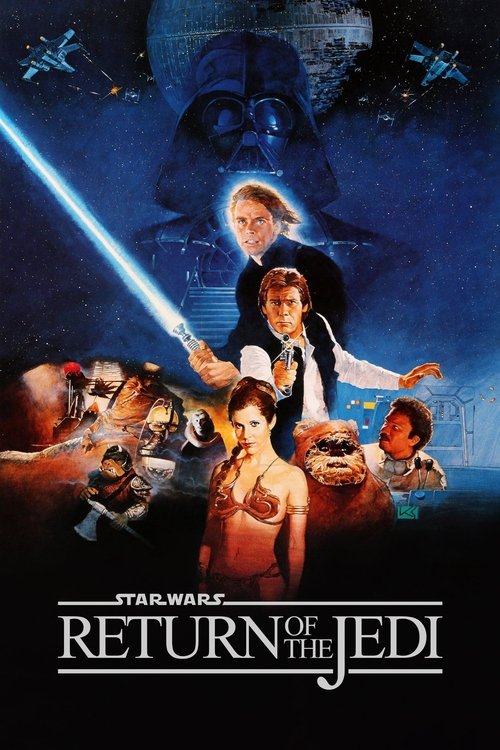
Richard Marquand's "Return of the Jedi" (1983) brought the original trilogy to a satisfying conclusion. Luke's mission to rescue Han Solo from Jabba the Hutt and his final confrontation with Darth Vader provided emotional closure while delivering spectacular action sequences. The film's themes of redemption and the triumph of love over hate perfectly captured the decade's optimistic spirit.
Together, these Star Wars films didn't just entertain—they created a mythology that transcended cinema, influencing everything from toys and games to philosophy and religion. Their impact on '80s culture was immeasurable, creating a shared language of references and inspiring countless filmmakers.
Dystopian Visions: Blade Runner's Prescient Future
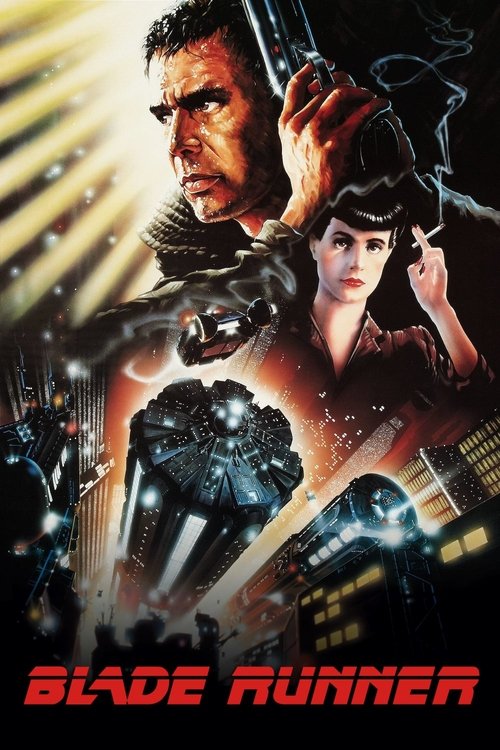
Ridley Scott's "Blade Runner" (1982) initially puzzled audiences but has since been recognized as a visionary masterpiece. Harrison Ford's Rick Deckard hunts rogue replicants in a dystopian 2019 Los Angeles, raising profound questions about consciousness, humanity, and identity. The film's neo-noir aesthetic and philosophical depth influenced countless science fiction films that followed.
What makes "Blade Runner" particularly relevant in 2025 is its prescient vision of technological advancement and urban decay. Its questions about artificial intelligence, corporate power, and environmental destruction feel remarkably contemporary. The film's visual design—from its neon-soaked cityscapes to its blend of high-tech and urban decay—established the template for cyberpunk cinema.
The Enduring Magic of '80s Cinema
These films remain beloved because they captured something essential about the human experience while pushing the boundaries of cinematic storytelling. They combined spectacular visuals with emotional depth, creating movies that work as both entertainment and art. The '80s represented a sweet spot in filmmaking—budgets were large enough to realize ambitious visions, but the industry was still driven by individual creators rather than corporate committees.
The nostalgia for these films isn't just about remembering the past; it's about reconnecting with a sense of wonder and possibility. In an era of cynicism and division, these movies remind us of cinema's power to inspire, unite, and transform. They represent a time when blockbuster entertainment and artistic ambition weren't mutually exclusive.
As we continue into 2025 and beyond, these '80s classics serve as both inspiration and benchmark. They remind us that the best films don't just reflect their times—they transcend them, speaking to universal truths that resonate across generations.
Ready to discover more cinematic gems from the 1980s and beyond? Use CinemaSearch to find personalized movie recommendations based on your favorite films and explore the vast world of cinema waiting to be discovered.