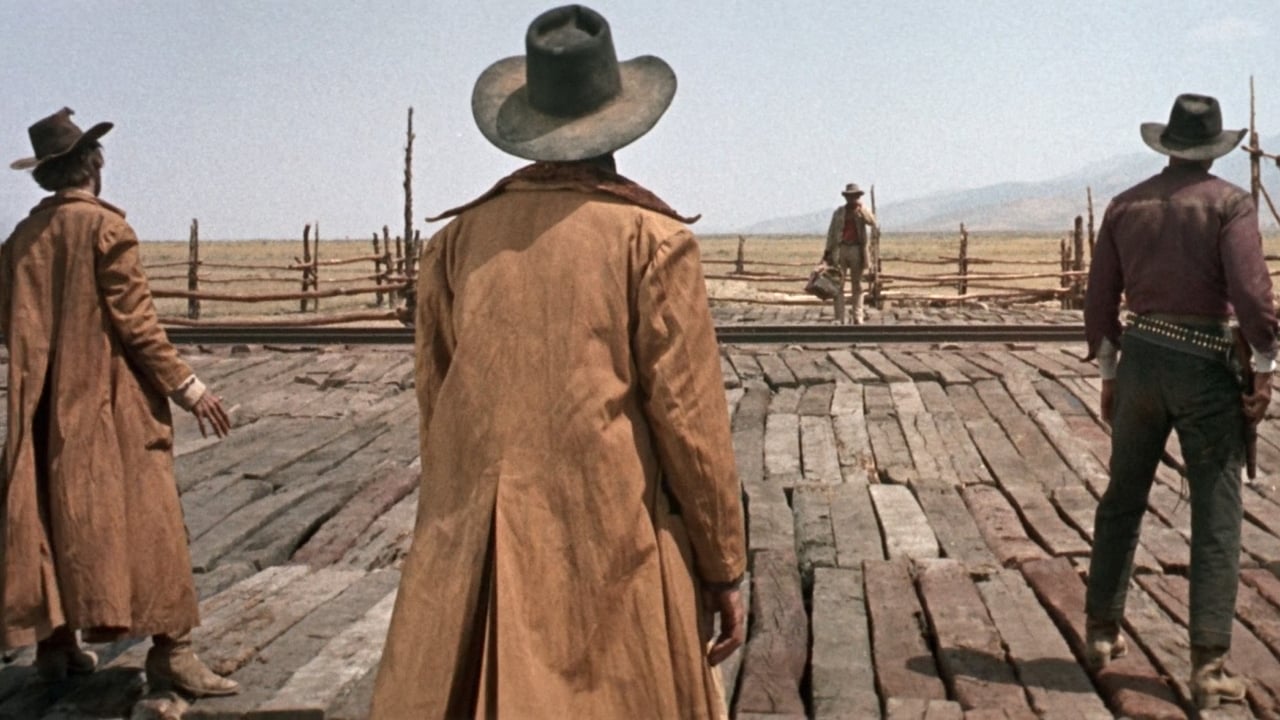
"It's too slow." That's what the studio executive told Sergio Leone about Once Upon a Time in the West in 1968, right before Paramount butchered his epic by cutting forty minutes and releasing it as a B-picture double feature. I stumbled across Leone's original cut on a rainy Tuesday at a revival theater in 2019, knowing nothing except that it starred Charles Bronson. Three hours later, I walked out feeling like I'd witnessed something religious.
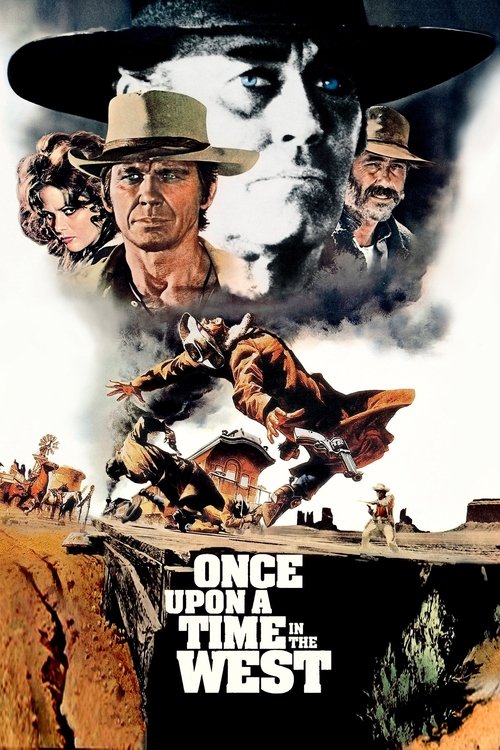
This is the tragedy of great cinema – sometimes the most extraordinary films arrive at precisely the wrong moment, or get sold to audiences expecting something entirely different. Leone's western opera wasn't the quick-draw shootouts audiences wanted after The Good, the Bad and the Ugly. It was meditation disguised as entertainment, Henry Fonda cast deliberately against type as a cold-blooded killer. The marketing department panicked.
When Artists Outpace Their Audience
Here's the thing about timing: it's everything and nothing. It's a Wonderful Life flopped so spectacularly in 1946 that it nearly bankrupted Frank Capra's production company. Post-war audiences, fresh from victory and optimism, apparently had no appetite for George Bailey's small-town desperation and suicidal ideation. They wanted celebration, not a mirror reflecting their own quiet desperation.
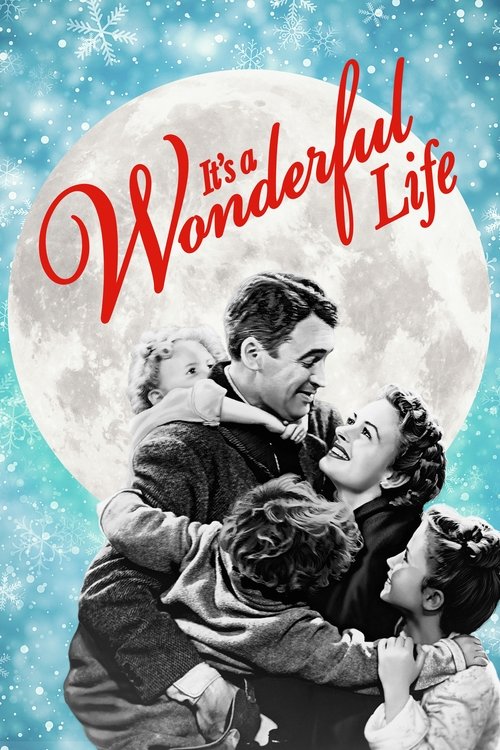
The film only found its audience decades later through television reruns – and only because the studio forgot to renew the copyright. Sometimes cultural accidents create legends. Jimmy Stewart's performance as a man questioning whether his life mattered hits differently when you're not expected to feel grateful for winning a war. Depression-era themes needed time to ferment.
I think about this whenever I watch Hideaki Anno's The End of Evangelion, another film that arrived like a psychological bomb in 1997. After the controversial TV series finale left fans confused and angry, Anno crafted this feature-length conclusion that was somehow even more uncompromising. Studio executives wanted crowd-pleasing mecha action. Anno delivered an apocalyptic therapy session about depression, identity, and human connection.
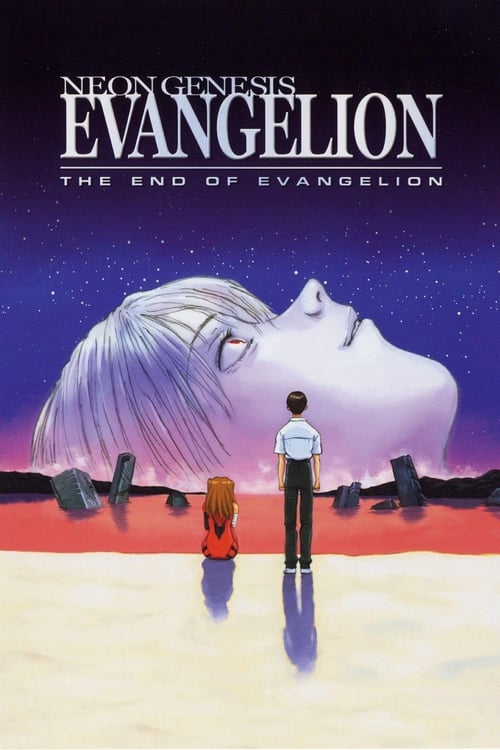
The film barely played in American theaters. How do you market animated characters having existential breakdowns while reality literally dissolves? Anno included actual hate mail from fans in the film itself – a middle finger to audience expectations that was brilliant and commercial suicide simultaneously.
The Language Barrier and Cultural Blind Spots
Animation faces particular challenges, especially when it comes from Japan. Josee, the Tiger and the Fish represents everything Western distributors struggle to understand about contemporary anime. It's not action-packed. No superpowers or fantasy elements. Just Tsuneo, a college student working part-time, meeting Josee, a young woman with a disability whose grandmother keeps her isolated from the world.

The 2020 film got a limited theatrical release that most people missed entirely. Honestly, I only discovered it through word-of-mouth from animation fans online. But Kotaro Tamura's direction transforms what could have been manipulative melodrama into something genuinely moving. The way Josee's imagination manifests visually – her drawings coming alive, fantasy sequences bleeding into reality – creates poetry from simple human connection.
American audiences often dismiss subtitled animation as "cartoons for kids" or "weird Japanese stuff." Marketing departments don't know whether to sell these films to anime fans or art house crowds. They usually split the difference and reach nobody.
The Unfair Advantage of Hindsight
Here's my controversial take: some films deserve to flop initially. Not because they're bad, but because they're asking questions audiences aren't ready to answer. Once Upon a Time in the West needed the mythology of the American frontier to feel truly dead before its funeral dirge could resonate. It's a Wonderful Life required generations of Americans to experience economic anxiety before George Bailey's crisis felt universal rather than depressing.
Time changes context. What felt slow and ponderous in 1968 now feels contemplative and profound. Leone's extreme close-ups and extended silences influenced everyone from Tarantino to Malick, but in 1968 they just confused people expecting horse chases.
The End of Evangelion benefits from anime becoming mainstream and mental health awareness growing. Shinji's psychological journey doesn't seem as alienating when depression is part of cultural conversation rather than shameful secret.
These films share something crucial: they trust their audiences to work. No exposition dumps explaining themes. No focus-group-tested emotional beats. Leone makes you feel the weight of Harmonica's revenge without spelling it out. Capra shows you George's impact through absence rather than speeches. Anno forces you to experience psychological breakdown rather than observe it safely.
Finding What Hollywood Forgot
The streaming age should theoretically solve these problems – infinite shelf space means niche audiences can find their films. But algorithmic recommendations often reinforce existing preferences rather than challenge them. If you watch Marvel movies, you get more Marvel movies. The system rarely suggests you might enjoy a three-hour Italian western or a Japanese animated drama.
This is where platforms like CinemaSearch become invaluable. Instead of pushing the most popular or profitable options, they can help you discover films based on actual artistic connections – the visual language linking Leone to Malick, the emotional honesty connecting Capra to contemporary indie directors. Sometimes the best film recommendations come from understanding what movies share beneath their surface differences.
Great cinema has always been a conversation between artists and audiences across time. These overlooked masterpieces didn't fail – they just started conversations their original audiences weren't ready to have. Now that we are, maybe it's time to listen.