Everyone complains that modern thrillers have lost the art of genuine suspense, replacing psychological tension with CGI spectacle and jump scares. Honestly, I think that's partially true, but it ignores some genuinely masterful examples of filmmakers who understand that the most effective thrills happen in your mind, not on screen. Real tension comes from pacing, from withholding information, from making audiences complicit in their own anxiety.
Take Martin Scorsese's Shutter Island, my favorite example of how unreliable narration can create sustained unease. 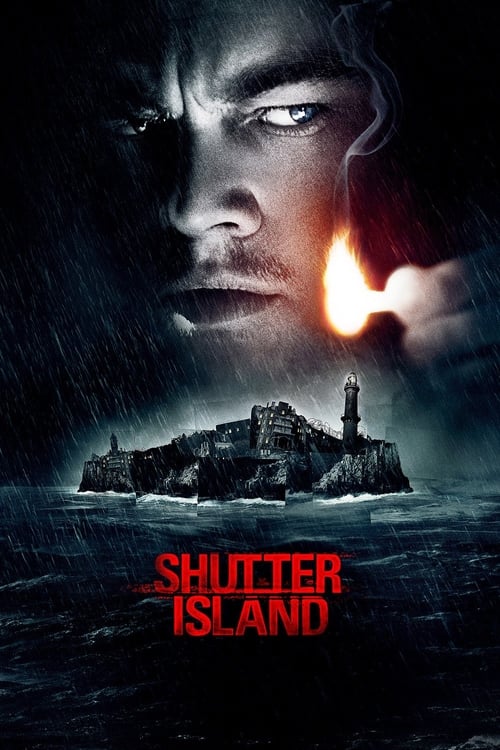 Leonardo DiCaprio's Teddy Daniels investigates a psychiatric facility with the methodical determination of a classic detective, but Scorsese's camera work gradually undermines everything we think we know. The genius lies in how the film operates on multiple levels simultaneously—as a straightforward mystery, as a psychological character study, and as something far more disturbing that I won't spoil here.
What makes Scorsese's approach so effective is his restraint. The horror emerges from small details: a lingering close-up on Patricia Clarkson's face, the way conversations seem to have hidden meanings, how the island's geography becomes increasingly maze-like. Michael Ballhaus's cinematography creates this oppressive atmosphere where even daylight scenes feel claustrophobic. You're constantly questioning what's real, but the film never cheats—every revelation is earned through careful setup.
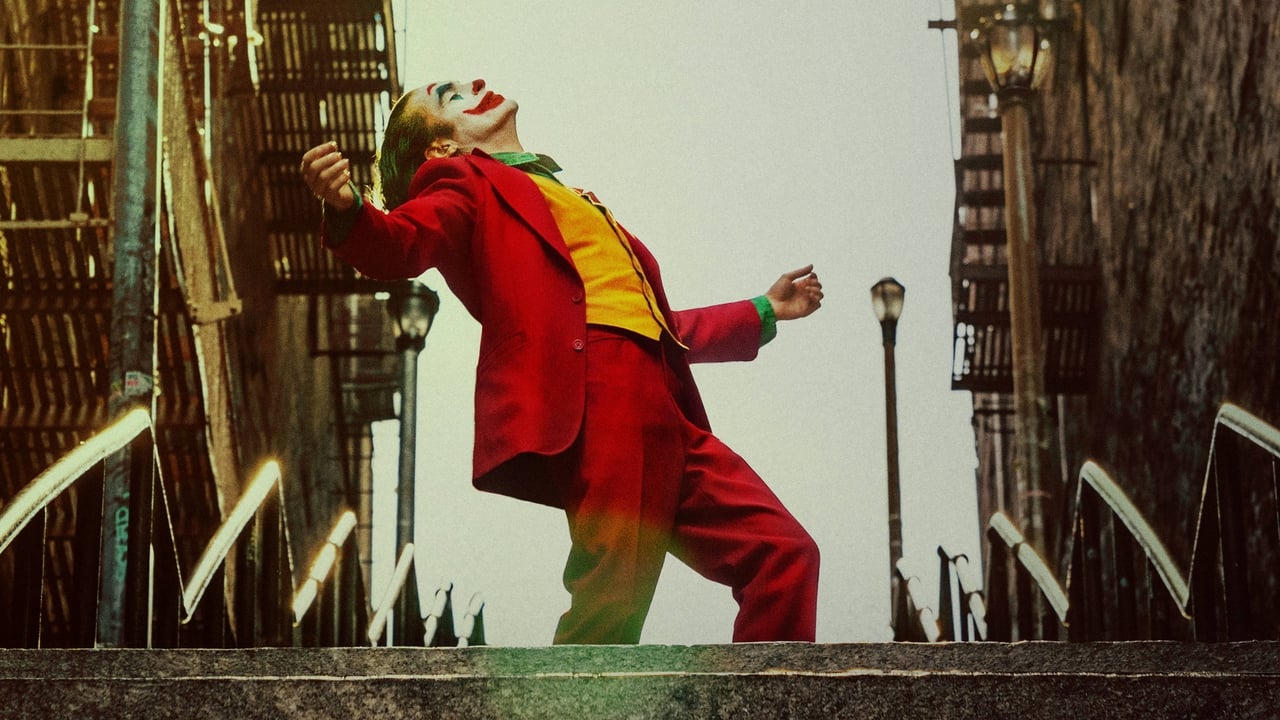
Todd Phillips pulled off something similar with Joker, though I think his approach is more divisive. 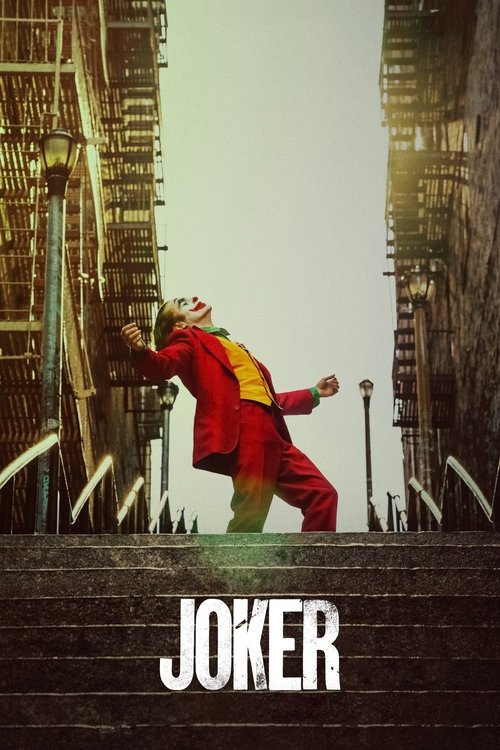 Unpopular opinion, but Arthur Fleck's descent into madness works precisely because Phillips refuses to give us reliable information about what's actually happening. Joaquin Phoenix's performance is so physically committed—that unsettling laugh, the way he contorts his body—that you feel complicit in watching someone disintegrate.
The film's pacing deliberately mirrors Arthur's psychological state. Early scenes drag with mundane details, reflecting his depressed isolation. But as his mental state fractures, the editing becomes more frantic, more disconnected. Lawrence Sher's cinematography shifts from sterile institutional lighting to expressionistic shadows that recall early De Niro collaborations with Scorsese. Yes, the social commentary is heavy-handed at times, but the core thriller mechanics are rock-solid.
For pure technical craftsmanship in building suspense, Antoine Fuqua's The Equalizer deserves more credit than it typically receives. 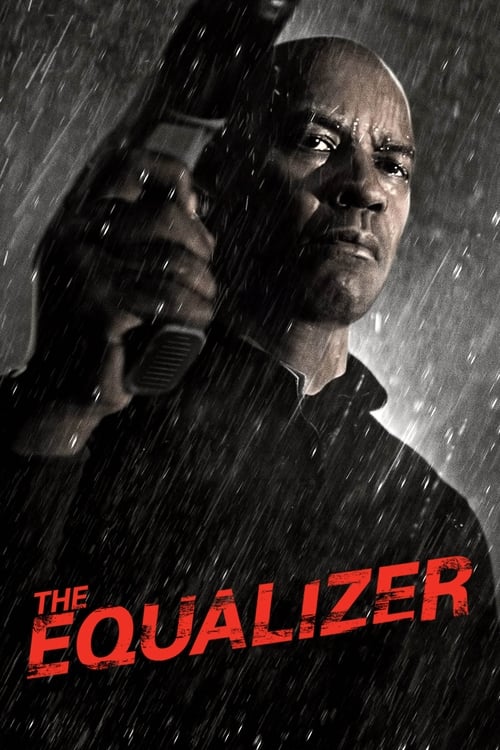 Denzel Washington's Robert McCall operates with such precise calculation that every action scene becomes a chess match rather than mindless violence. The famous hardware store sequence works because Fuqua shows McCall mentally cataloging weapons before the violence erupts. That preparation creates anticipation.
Washington's performance is all about controlled restraint until it isn't. He modulates his intensity so carefully that when McCall finally unleashes violence, it feels both shocking and inevitable. The film's editing rhythms mirror this approach—long, patient takes building to explosive bursts of action. It's procedural thriller-making at its most disciplined.
Here's the thing about effective thriller pacing: it's counterintuitive. The 2024 Road House remake understands this better than expected.  Jake Gyllenhaal's Dalton moves through confrontations with this unsettling calm that makes every interaction feel dangerous. Director Doug Liman films these scenes with handheld intimacy, keeping the camera close enough that you feel the threat of violence in every conversation.
The film works because it takes time establishing the roadhouse's ecosystem before introducing chaos. You understand the relationships, the power dynamics, the unspoken rules. When that equilibrium gets disrupted, the tension feels earned rather than manufactured. Gyllenhaal's physical presence—simultaneously friendly and menacing—keeps you off-balance throughout.
I mentioned Nobody 2 because even though it won't release until August, the original film demonstrated how to build tension through contrast. 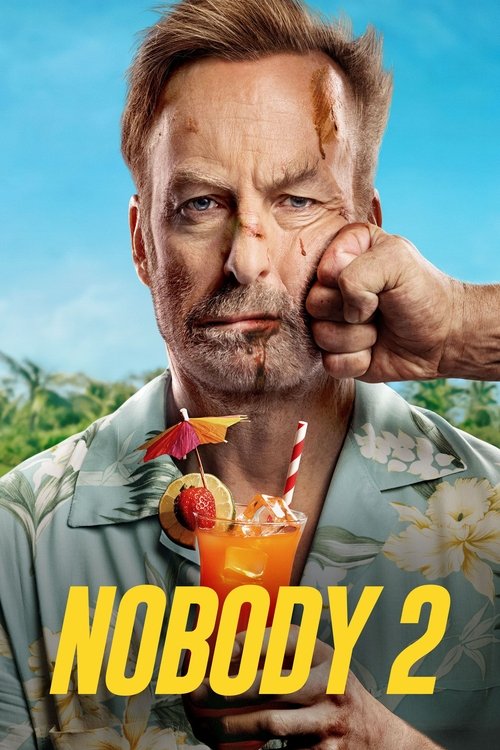 Bob Odenkirk's suburban dad facade concealing lethal skills created constant cognitive dissonance. The sequel's premise—family vacation interrupted by violence—suggests similar territory: ordinary settings hiding extraordinary dangers.
The best thrillers understand that genuine tension requires investment in character psychology rather than plot mechanics alone. Scorsese makes us question reality itself. Phillips forces us to empathize with madness. Fuqua turns problem-solving into suspense. These filmmakers know that withholding information is more powerful than revealing everything.
What connects all these examples is their commitment to psychological realism within heightened circumstances. They earn their twists through character development rather than arbitrary plot contrivances. The violence, when it comes, feels consequential rather than gratuitous.
If you're looking to explore more films that prioritize genuine suspense over empty spectacle, I'd recommend checking out CinemaSearch's thriller recommendations. Their algorithm seems particularly good at identifying movies that understand the difference between tension and noise—exactly what this genre needs more of.