
Why do we assume family films are just babysitting tools with pretty colors? Look, I've sat through enough mindless kids' content to know the difference between movies made for families versus movies made to survive families watching them together.
Here's the thing - the best family films work because they're secretly about adult anxieties wrapped in kid-friendly packaging. Take Pixar's approach with Toy Story versus Disney's more traditional Tangled, and you'll see exactly what I mean.
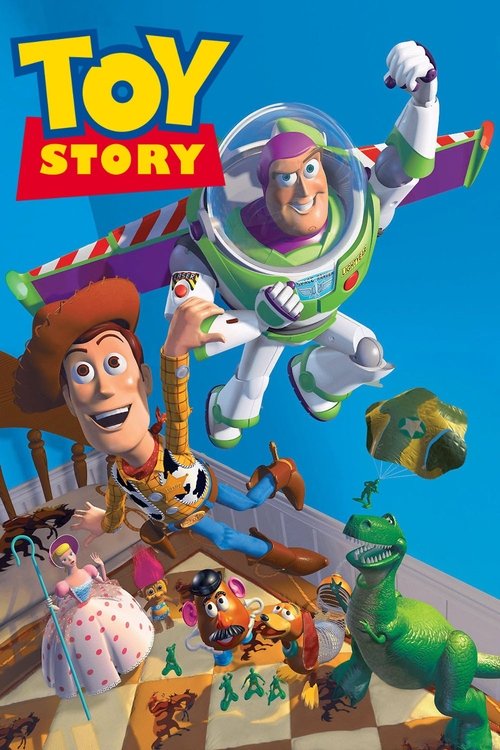
Toy Story isn't about toys coming to life. It's about workplace displacement anxiety and middle-aged fear of becoming obsolete. Woody's entire arc screams "what happens when the company hires someone younger and shinier?" John Lasseter knew exactly what he was doing when he made Buzz the flashy newcomer with all the bells and whistles. Every parent watching recognizes that panic in Woody's voice.
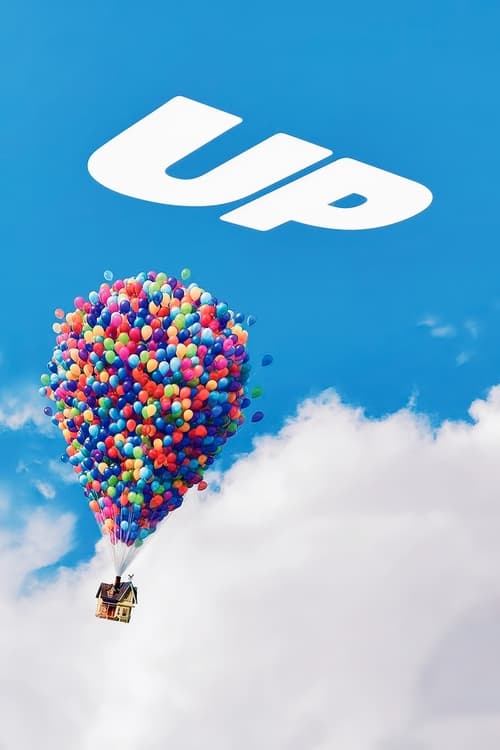
Up takes this even further. Honestly, that opening montage about Carl and Ellie's marriage? That's not for eight-year-olds - that's emotional warfare designed to make adults ugly-cry in theater seats. Pete Docter crafted a meditation on grief, unfulfilled dreams, and finding purpose after loss. Russell's just there so parents have someone to explain the plot to.
Contrast this with something like Tangled, which operates on a completely different wavelength.
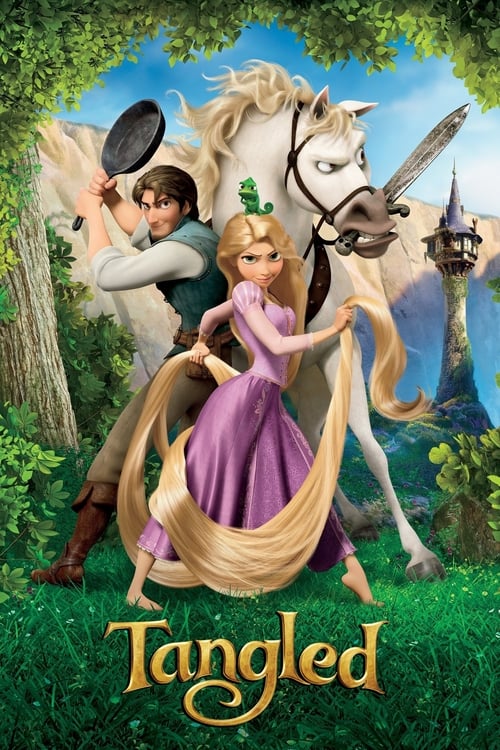
Tangled works brilliantly, don't get me wrong. But it's genuinely made for kids first, adults second. Rapunzel's story about overprotective parenting and finding independence speaks to teenagers way more than their parents. Flynn Rider's roguish charm feels designed to keep adults entertained while kids focus on the magical hair and cute chameleon. Directors Nathan Greno and Byron Howard built layers, but the foundation is classic fairy tale adventure.
Then there's Flow, which throws all conventional wisdom out the window.

Flow doesn't even pretend to follow family film rules. No dialogue. Minimal plot explanation. Just a cat trying to survive in a post-apocalyptic flood scenario. Gints Zilbalodis created something that works purely on visual storytelling and emotional resonance. Kids might love the animal characters, but adults are processing themes about climate change, adaptation, and survival that feel uncomfortably relevant.
Here's my controversial take: Up is better than Toy Story, and it's not even close.
Toy Story revolutionized animation and launched Pixar into the stratosphere, sure. But Up perfects the formula by centering the adult emotional journey from minute one. Carl's not a supporting character in his own story - he's the protagonist dealing with very real adult problems. Woody spends most of his movie learning to share; Carl spends his learning to live again after profound loss.
The upcoming Elio seems like it might split the difference between these approaches.
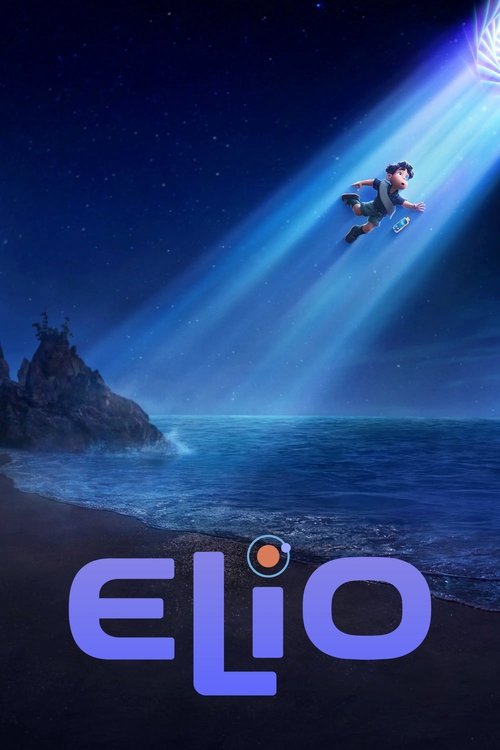
From what we know, Elio's about a space-obsessed kid who gets mistaken for Earth's ambassador to an alien confederation. Classic fish-out-of-water setup that could go either direction - will it focus on the kid's adventure or the deeper themes about identity and belonging? Pixar's track record suggests they'll find ways to make both kids and adults equally invested.
What makes these films work across generations isn't just clever writing or easter eggs for grown-ups. They understand that families don't just watch movies together - they process emotions together. When Buzz realizes he's "just a toy," kids see a character learning the truth. Adults see someone's entire worldview crashing down around them.
Flow represents something different entirely - proof that family films don't need to follow any formula at all. Sometimes the most profound family viewing experience comes from sitting quietly together, watching a story unfold without anyone explaining what it means. Kids intuitively understand visual storytelling; adults overthink it. Meeting in that middle space creates something special.
The conversation between these films reveals how family cinema has evolved. Toy Story proved you could make kids' movies that didn't insult adult intelligence. Tangled showed traditional storytelling still works when executed with genuine craft and humor. Up demonstrated that family films could tackle serious adult themes without losing their all-ages appeal. Flow suggests the future might involve even more experimental approaches to shared viewing experiences.
Look, here's what it comes down to: the best family films respect their audience enough to trust that kids can handle complex emotions and adults can still find wonder in simple stories. They don't condescend or oversimplify. They just tell human stories that happen to be appropriate for all ages.
If you're looking for more films that nail this balance, CinemaSearch has been incredible for finding hidden gems in the family category. Their recommendation engine seems to actually understand the difference between "kids' movies" and "family films" - something most streaming services still can't figure out.