Here's my controversial opener: half the films on every "greatest of all time" list are there because critics are too scared to admit they're boring. I spent the last month rewatching cinema's most untouchable classics, and honestly? Some of these so-called masterpieces feel more like homework than entertainment.
Let me take you on this journey, starting with the most accessible and working toward the films that demand everything from you.
The People's Champion That Actually Delivers
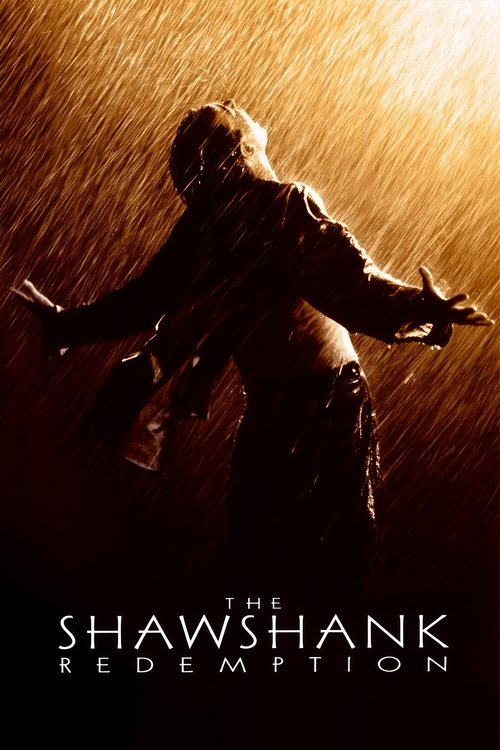
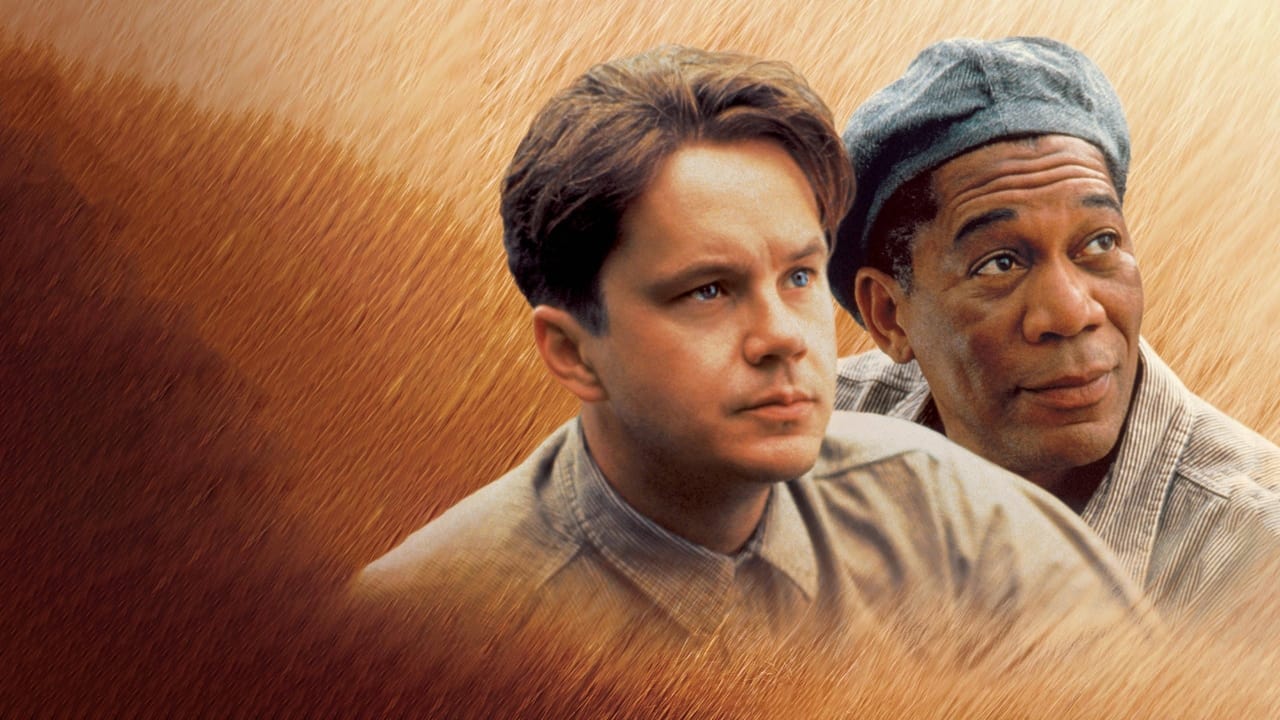
I finally rewatched The Shawshank Redemption expecting to find cracks in its armor. This thing sits at #1 on IMDb, which automatically makes me suspicious. But you know what? It earned every bit of that reputation.
Frank Darabont crafted something that shouldn't work - a nearly three-hour prison drama with minimal action - yet it grips you from Andy Dufresne's first night in Shawshank. That scene where the fat man cries himself to death while the guards beat him? Still devastating. Morgan Freeman's Red narrating Andy's twenty-year transformation from broken banker to prison legend never feels overwrought.
The film's secret weapon isn't hope (though everyone talks about hope). It's specificity. When Andy plays Mozart's "Sull'aria" over the prison loudspeakers, Darabont doesn't just show us inmates stopping to listen. He shows us their faces transforming. Each man remembers something different - freedom, love, beauty they'd forgotten existed.
Here's my unpopular opinion: this film succeeds where many classics fail because it trusts its audience without talking down to them. No pretension. Just perfect storytelling.
The Godfather: Overrated or Untouchable?
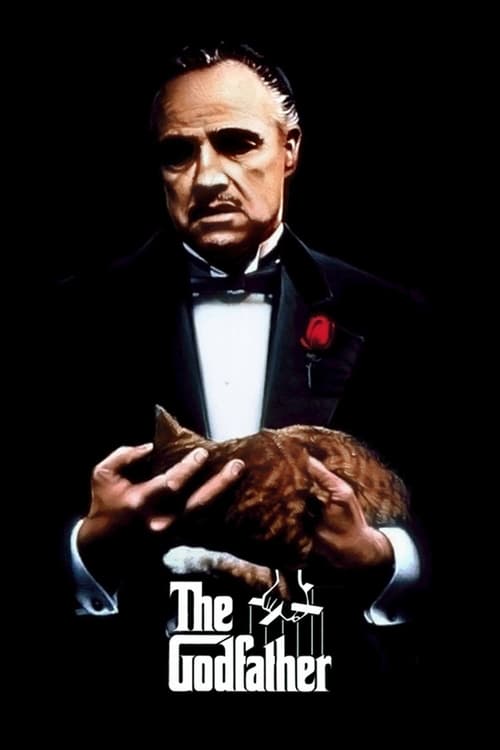
Coppola's The Godfather presents my biggest internal conflict. Everyone treats this like sacred text, but watching it in 2025... I think it's good, not great.
Don't get me wrong - Marlon Brando's Vito Corleone remains iconic. That wedding sequence establishing the family's power structure? Masterful exposition disguised as celebration. When Michael tells Kay, "That's my family, not me," we know he's lying to himself. Pacino's transformation from war hero to cold-blooded don carries genuine tragedy.
But here's the thing - it drags. Badly. Those middle sections feel indulgent, like Coppola fell in love with his own world-building. The pacing problems that plague many 70s classics rear their head here. Some scenes exist purely because they looked cool on paper.
That restaurant scene where Michael kills Sollozzo and McCluskey though? Pure cinema. The sound design as Michael's ears ring, the tension building as he reaches for the hidden gun - that's the film at its absolute peak.
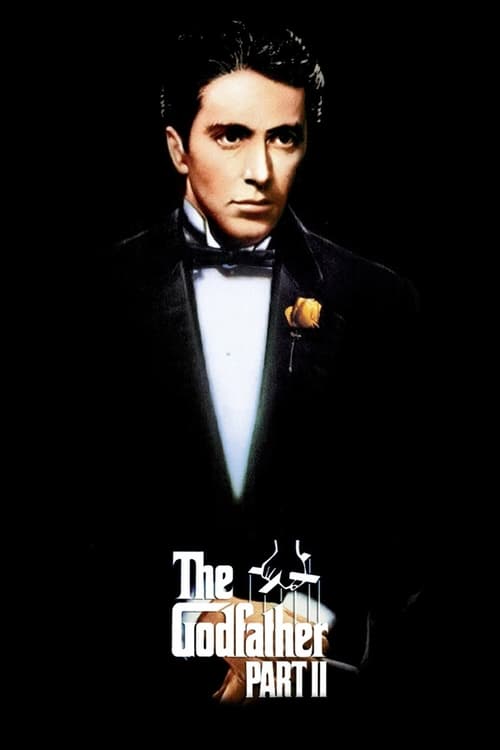
Part II fixes everything wrong with the original. The parallel structure showing young Vito's rise alongside Michael's descent is ambitious storytelling that actually works. De Niro doesn't try to impersonate Brando - he creates his own version of Vito, hungrier and more desperate. When he kills Don Fanucci on the rooftop during the festival, we understand this isn't evil - it's survival.
Meanwhile, Pacino's Michael becomes genuinely frightening. That kiss of death he gives Fredo? "I know it was you, Fredo. You broke my heart." Devastating. This sequel earns its three-and-a-half-hour runtime because every scene serves the theme of power corrupting everything it touches.
When Spielberg Gets Serious
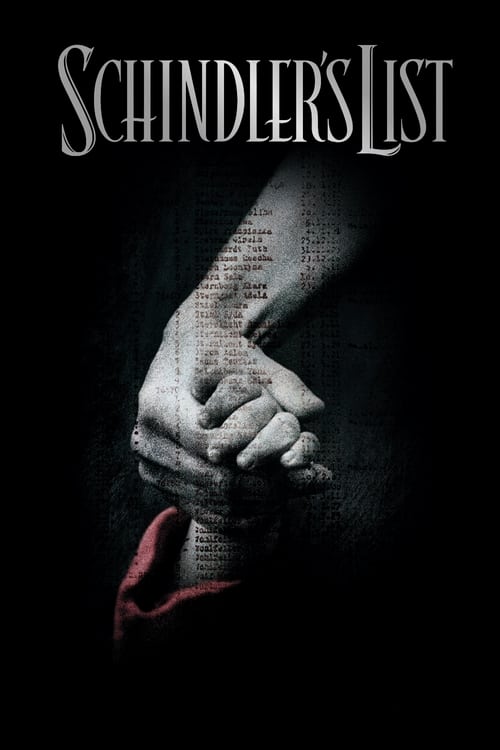
I approached Schindler's List with skepticism. Spielberg tackling the Holocaust felt potentially exploitative - too big a subject for Hollywood treatment. Three hours later, I was wrong about everything.
This film's power comes from its refusal to explain evil. Ralph Fiennes' Amon Goeth doesn't get a backstory or motivation - he simply exists as pure malice. That balcony shooting scene where he casually murders workers from his villa remains one of cinema's most chilling moments. Not because of graphic violence, but because of its mundane horror.
Liam Neeson's Schindler transforms from opportunistic businessman to unlikely savior through small moments. When he breaks down at the film's end, lamenting he could have saved more people, it feels earned rather than manipulative. "This car - why did I keep the car? Ten people right there."
The girl in the red coat - yes, it's obvious symbolism. But sometimes obvious works when executed with this level of craft. Janusz Kamiński's cinematography makes you forget you're watching actors on sets. You're witnessing history's darkest chapter through one man's awakening conscience.
The Minimalist Masterpiece
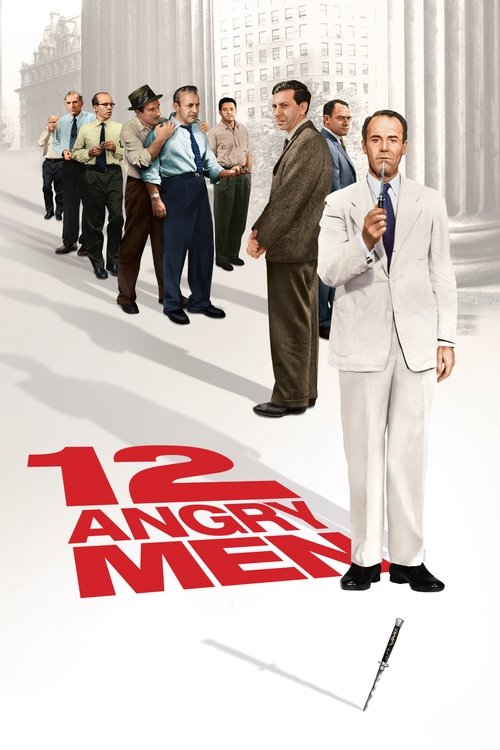
Finally, 12 Angry Men - Sidney Lumet's directing debut that makes every modern courtroom drama look amateur. One room. Twelve men. Ninety-six minutes. Perfect filmmaking.
Henry Fonda's Juror #8 could have been insufferably righteous, but Fonda plays him as genuinely uncertain. He doesn't know the defendant is innocent - he just believes reasonable doubt exists. When he produces that identical switchblade, proving such knives aren't "one of a kind," it's not a gotcha moment. It's careful logic defeating lazy assumptions.
Lee J. Cobb's bigoted Juror #3 provides the film's emotional climax. His final breakdown - "Not guilty! NOT GUILTY!" - reveals his anger was never about the case. It was about his own estranged son. Personal prejudice masquerading as civic duty.
Lumet's camera work deserves special mention. As tensions rise, the lens gradually shifts from wide shots to claustrophobic close-ups. The room literally feels smaller as the film progresses. That's visual storytelling at its finest.
The Verdict
After this deep dive, here's my honest ranking: Schindler's List and 12 Angry Men are genuine masterpieces that justify their reputations. Shawshank earns its popularity through superior craftsmanship. The Godfather Part II succeeds where the original stumbles.
And the original Godfather? Still good, but the most overrated of the bunch.
These films remind you why certain movies achieve legendary status - they combine technical excellence with emotional truth. They don't just entertain; they expand your understanding of what cinema can accomplish.
If this journey through cinema's greatest hits has sparked your curiosity about finding more hidden gems or exploring specific directors' complete works, I'd recommend checking out CinemaSearch. Their recommendation engine helped me discover several lesser-known films that rival these classics - sometimes you need the right tool to dig deeper than the obvious choices.