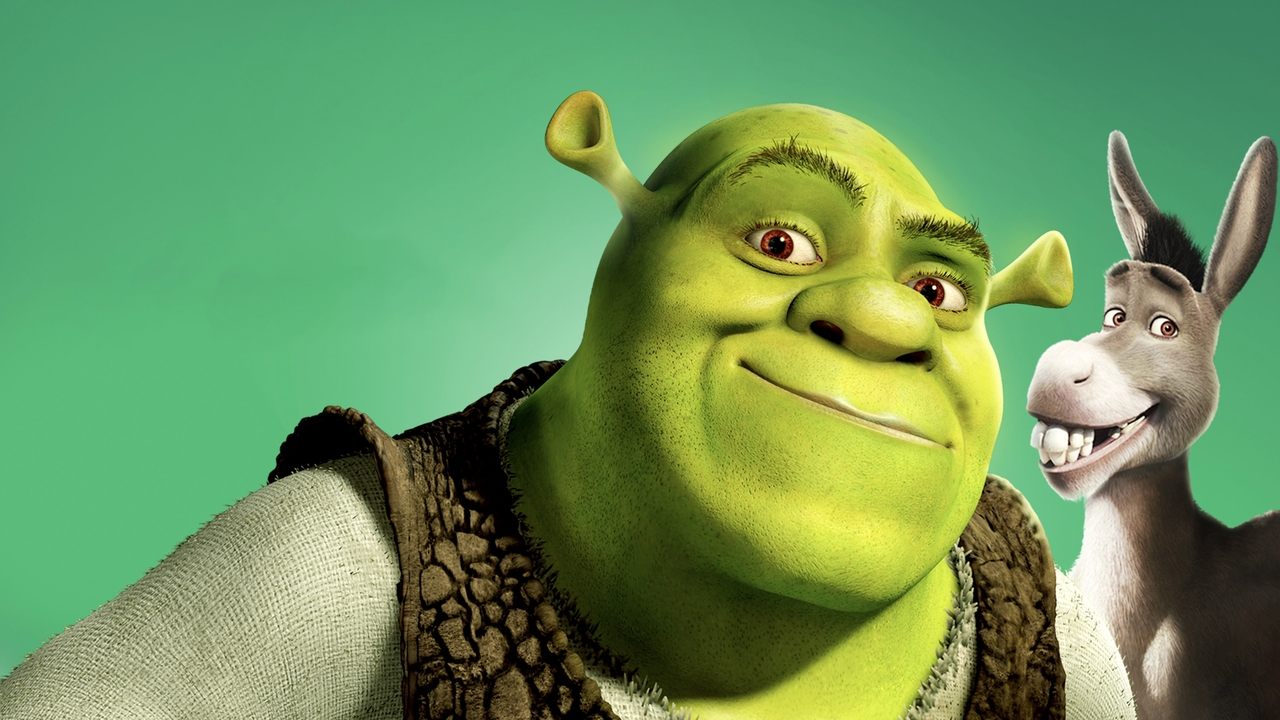
When did you last laugh—really laugh—at a live-action comedy? I'm talking about the kind of laughter that makes your sides hurt, that catches you off guard in the middle of what should be a kids' movie.
Honestly, I can't remember either. But I can tell you exactly when animation made me lose it completely.
It was 2001, sitting in a packed theater watching a green ogre take a mud shower while Smash Mouth's "All Star" blasted over the opening credits. I was sixteen and thought I was too cool for cartoons. Shrek proved me spectacularly wrong.
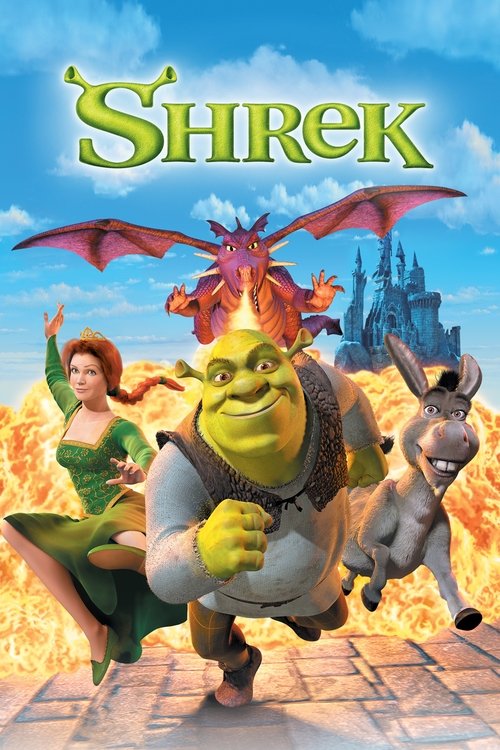
Directors Andrew Adamson and Vicky Jenson created something revolutionary with Shrek—a comedy that worked on multiple levels without insulting anyone's intelligence. Mike Myers' Scottish-accented Shrek wasn't just funny because he burped or farted (though he did both with gusto). He was hilarious because he subverted everything we expected from fairy tale heroes.
The genius of Shrek lies in its perfect balance of irreverence and heart. When Princess Fiona, voiced with surprising depth by Cameron Diaz, reveals her own monstrous secret, the film pivots from parody to genuine emotion without missing a beat. Eddie Murphy's Donkey provides the manic energy, but he's not just comic relief—he's the emotional catalyst who forces Shrek to confront his loneliness.
Here's the thing about Shrek's humor: it's smart enough for adults but never condescending to kids. The pop culture references don't feel forced. Robin Hood singing like a boy band member? Brilliant. The gingerbread man's torture scene that somehow stays G-rated? Dark comedy gold.
Animation freed the filmmakers from the constraints of reality, allowing for visual gags that would look ridiculous in live-action. More importantly, it freed them from the need to cast recognizable faces in age-appropriate roles. Voice acting focuses purely on performance, not star power.
Twenty-one years later, I discovered Turning Red on Disney+ during a particularly rough patch in 2022. I expected typical Disney wholesomeness. Instead, I found the most honest portrayal of adolescent embarrassment ever put to screen.

Director Domee Shi crafted something extraordinary with thirteen-year-old Mei Lee's story. When Rosalie Chiang's character transforms into a giant red panda whenever she gets emotional, it's both literal magical realism and perfect metaphor for puberty's mortifying unpredictability.
The comedy in Turning Red comes from places live-action films rarely dare to explore. Mei's obsession with boy band 4*Town isn't mocked—it's celebrated as the intense, all-consuming passion that defines teenage existence. Sandra Oh's overbearing mother Ming isn't a simple villain; she's a complex woman whose own transformation into a massive panda reveals generational trauma wrapped in good intentions.
I think what makes Turning Red genuinely hilarious is its commitment to specificity. The film doesn't traffic in generic "teenager problems." It dives headfirst into early 2000s Toronto, complete with Tamagotchis, flip phones, and the very particular social dynamics of thirteen-year-old friendships. Mei's friends aren't interchangeable sidekicks—each has distinct personalities and their own relationship with embarrassment.
The bathroom scene where Mei first transforms had me crying with laughter. Not because bodily functions are inherently funny, but because Shi captures the specific horror of losing control of your body at the worst possible moment. Every adult remembers that feeling. Animation allowed the filmmakers to externalize that internal mortification in ways that feel both absurd and absolutely real.
But perhaps the most perfectly crafted animated comedy of the past decade is Zootopia. Directors Byron Howard and Rich Moore created a film that works as buddy cop comedy, social satire, and genuine thriller simultaneously.
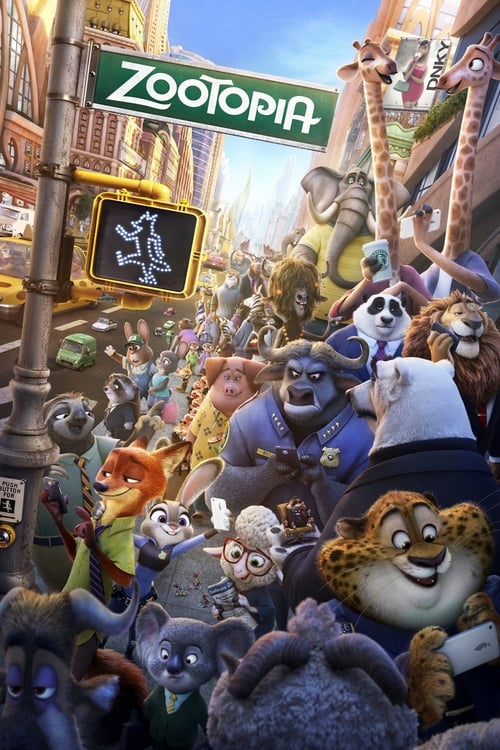
Ginnifer Goodwin's Judy Hopps embodies every overachiever who's ever been underestimated, while Jason Bateman's Nick Wilde delivers the kind of sardonic wit that would feel forced coming from a human actor. Their chemistry crackles because voice acting strips away physical appearance, focusing purely on timing and delivery.
The DMV sloth sequence might be the funniest three minutes ever animated. It's perfectly constructed physical comedy that builds tension through pacing rather than punchlines. Flash the sloth's glacial speech patterns become increasingly hilarious as Judy's desperation mounts. The joke works because it taps into universal frustration with bureaucracy while subverting expectations about which animals would work at the Department of Motor Vehicles.
Honestly, Zootopia's humor succeeds because it treats its anthropomorphic world with complete seriousness. The jokes emerge organically from the premise rather than winking at the audience about how clever the filmmakers are. When a tiny shrew becomes a crime boss, it's funny because the film commits completely to the logic of its world.
Animation gives comedians permission to be weird in ways live-action never could. Voice actors can push performances to extremes without looking ridiculous. Visual gags can defy physics. Most importantly, animated films aren't burdened by the self-consciousness that plagues many live-action comedies.
These films prove that the best comedy comes from character truth, not cheap laughs. Animation might seem like an unlikely home for sophisticated humor, but it's exactly where comedy has found its most authentic voice.
If you're hungry for more films that actually earn their laughs, try exploring similar titles on CinemaSearch—their recommendation engine helped me discover several animated gems I'd completely missed, proving that great comedy is out there if you know where to look.