"That movie was too manipulative." I hear this complaint constantly, usually whispered in theater lobbies or typed aggressively in comment sections. People seem suspicious of any film that dares to make them feel something, as if genuine emotion is somehow a betrayal of their intelligence. But here's the thing—there's a massive difference between manipulation and earning your emotions through masterful storytelling.
I discovered this distinction watching Green Book on a delayed flight to Chicago. Initially skeptical of what seemed like Oscar bait, I found myself genuinely moved by something I hadn't expected: the small moments.
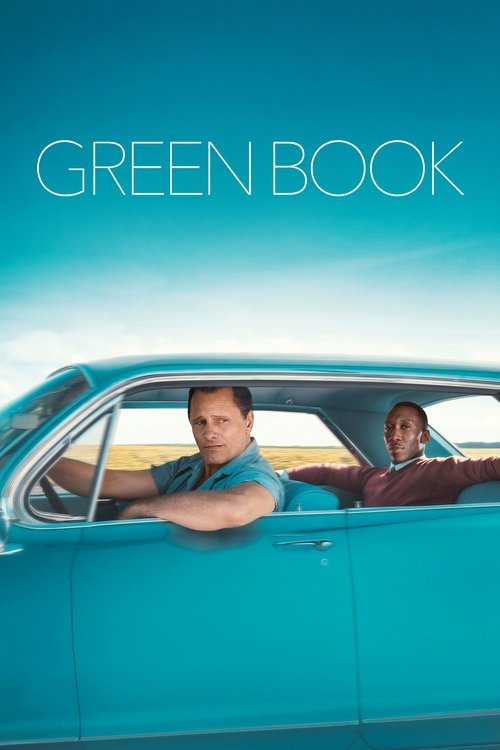
Green Book works because Peter Farrelly understood that friendship can't be declared—it has to be observed. Tony Lip (Viggo Mortensen) doesn't suddenly become enlightened through some grand revelation. Instead, we watch him slowly notice Don Shirley's (Mahershala Ali) dignity in small moments. When Tony teaches Don to eat fried chicken with his hands, it's not about the chicken. It's about class barriers dissolving through something as simple as getting your fingers dirty.
Mortensen disappears completely into Tony's working-class swagger, but Ali's performance is the real revelation. Watch his face when Don sits alone in that backstage room, excluded from the very party where he just performed. Ali shows us a man who has built walls so high that even his own loneliness feels elegant. That's not manipulation—that's character work that makes the emotional moments inevitable.
From there, let's talk about a film that weaponizes emotion in the best possible way: Gladiator.
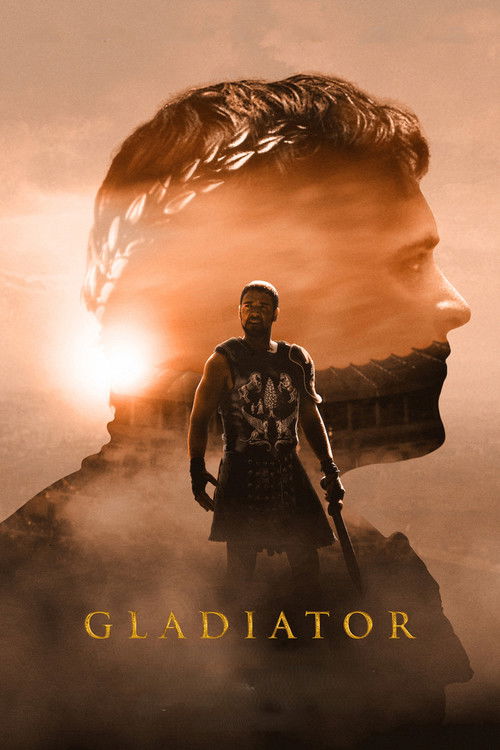
Ridley Scott's epic could have been pure spectacle, but Russell Crowe's Maximus anchors every sword swing in genuine loss. "My name is Maximus Decimus Meridius..." becomes powerful not because of the words themselves, but because we've spent two hours watching this man channel grief into purpose. When he finally collapses in the Colosseum dirt, reaching toward the afterlife, it feels earned because Crowe never let us forget what he was fighting for.
Honestly, I think Gladiator succeeds where many historical epics fail because Scott trusts his actors to sell the intimate moments between the battles. Joaquin Phoenix's Commodus is genuinely unsettling not because he's cartoonishly evil, but because his neediness feels pathetically real. That scene where he begs his dying father for approval? Phoenix makes him simultaneously despicable and heartbreaking.
Now we venture into darker territory with Steven Spielberg's Saving Private Ryan.

The Omaha Beach sequence gets all the attention, but the film's emotional power comes from quieter moments. Tom Hanks' Captain Miller trying to hide his trembling hands. The way his voice cracks when he finally tells his men about his pre-war life. Spielberg could have manipulated us with swelling orchestras and slow-motion sacrifices. Instead, he shows us men trying to maintain dignity in an undignified situation.
That final scene where the elderly Ryan asks his wife if he's lived a good life? Some critics called it sentimental. I disagree. It's the logical conclusion of everything we've witnessed. The weight of survivor's guilt doesn't disappear with victory parades. It follows you home and asks uncomfortable questions for the rest of your life.
Quentin Tarantino's Inglourious Basterds proves that even revisionist history can generate authentic emotion when the characters feel real.
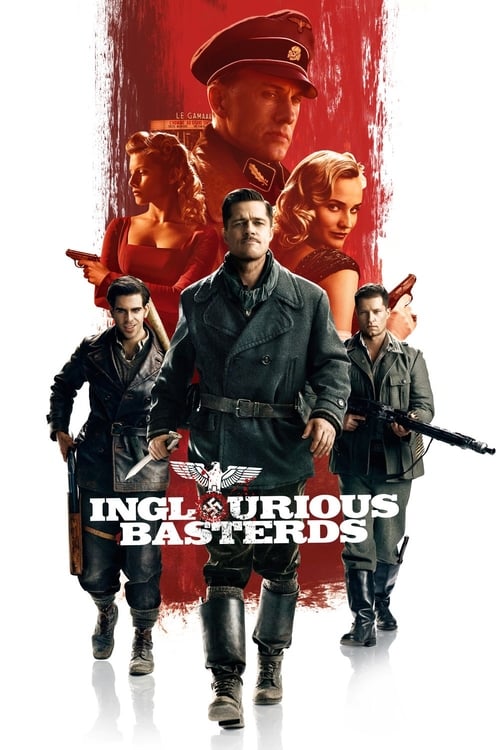
Shosanna's (Mélanie Laurent) revenge plot works because Laurent plays her fury as something cold and calculated rather than explosive. When she applies lipstick before her final act of vengeance, we understand that this moment has been rehearsed in her mind countless times. The emotional payoff feels deserved because we've watched her transform grief into something actionable.
Tarantino's dialogue creates intimacy even in tense situations. That tavern scene with Michael Fassbender's British spy? The suspense comes from watching characters try to maintain performances while death lurks in every mispronounced word. When violence finally erupts, it feels both shocking and inevitable.
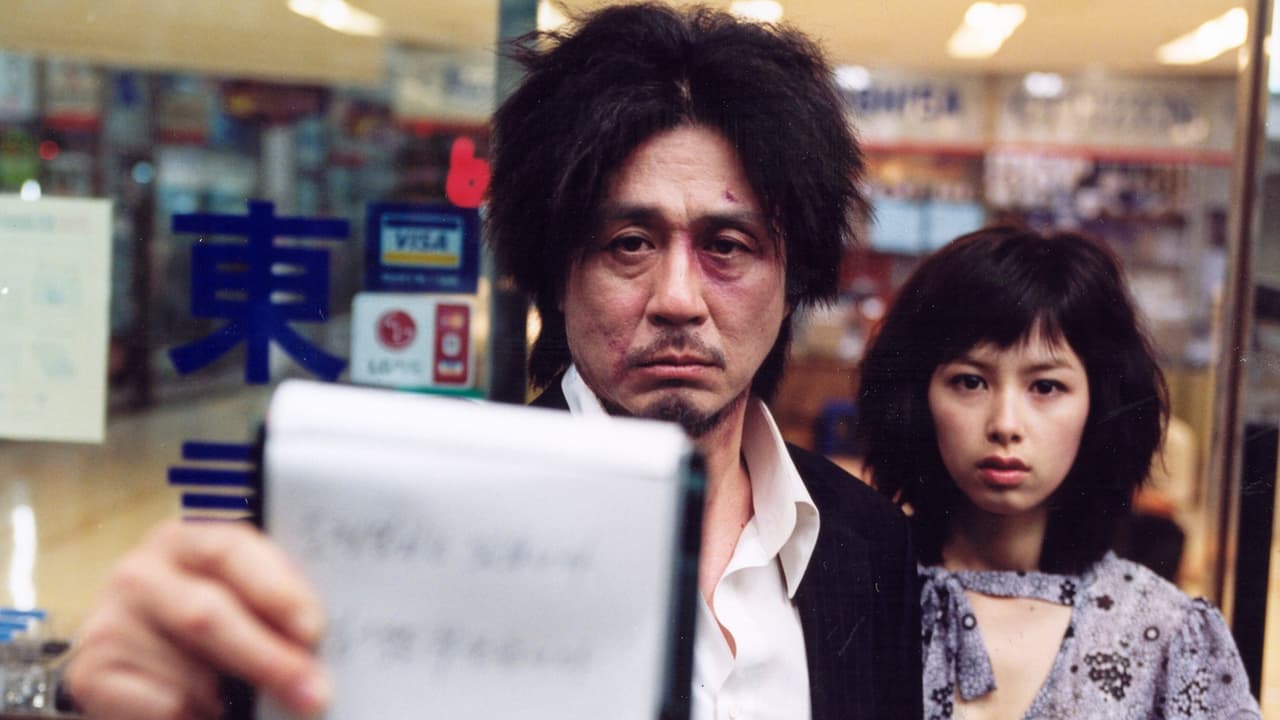
Finally, we reach the most challenging entry: Park Chan-wook's Oldboy.
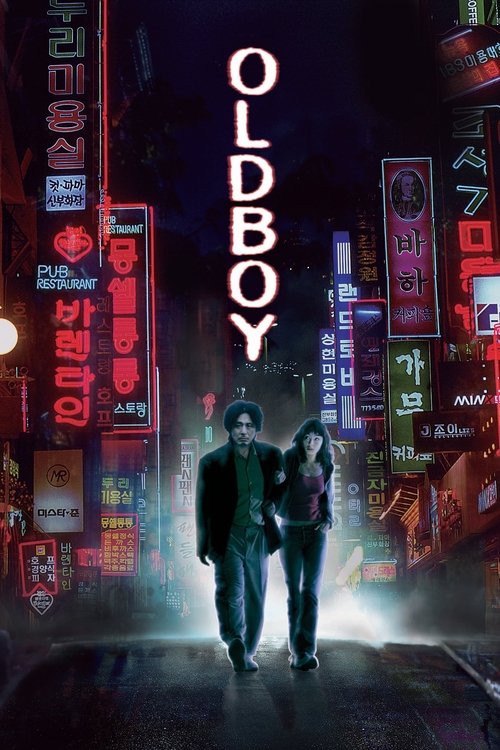
This film earns its devastating emotional conclusion through meticulous psychological construction. Oh Dae-su's (Choi Min-sik) fifteen-year imprisonment isn't just plot setup—it's character demolition and rebuilding. When the final revelation hits, we feel complicit in his suffering because Park Chan-wook made us root for vengeance without understanding its true cost.
Choi Min-sik delivers what I consider one of cinema's most physically committed performances. His body language changes throughout the film, showing us how captivity and obsession reshape a human being from the inside out. The hallway fight scene gets attention for its technical brilliance, but watch Choi's face afterward—pure exhaustion mixed with stubborn determination.
Here's my slightly controversial take: Oldboy succeeds because it refuses to comfort us. While Hollywood dramas often provide cathartic release, Park Chan-wook traps us in moral complexity. The film earns its emotions by making them uncomfortable and unresolvable.
These films prove that genuine emotional impact requires patience, character development, and respect for the audience. They don't tell us how to feel—they create situations where feeling becomes unavoidable.
Want to discover more films that earn their emotional moments? CinemaSearch helped me find several of these gems by connecting me with movies that matched my specific mood and preferences. Sometimes the best emotional journeys come from films you'd never think to seek out on your own.