I remember the exact moment Free Solo broke me. Not during Alex Honnold's breathtaking ascent of El Capitan—though Jimmy Chin and Elizabeth Chai Vasarhelyi's vertiginous cinematography certainly earned its Oscar—but during a quieter scene where Honnold's girlfriend Sanni McCandless tearfully questions whether she can watch the man she loves potentially die for sport. The camera holds on her face with uncomfortable intimacy, and I realized I was complicit in this voyeurism. We all were.
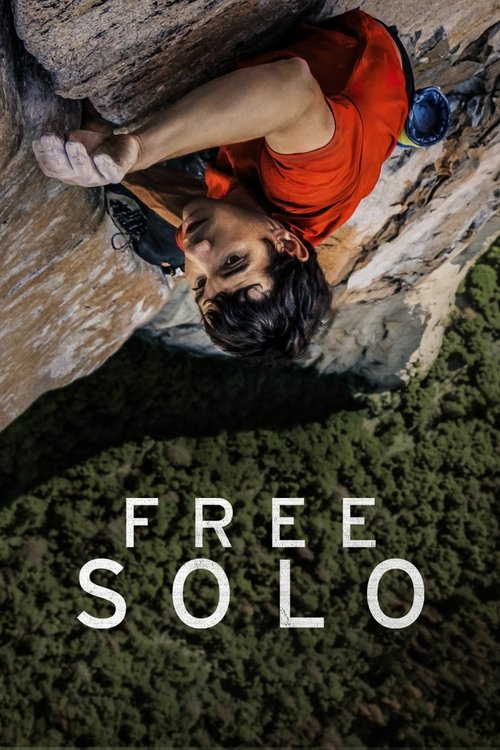
That ethical discomfort is what elevates Free Solo beyond mere adventure documentary into something more unsettling. Yes, the rock climbing sequences are spectacular—Chin's background as a professional climber allows him to capture angles that feel impossibly intimate yet never intrusive. But the film's real achievement lies in its unflinching examination of what drives someone toward such beautiful, selfish extremes. Honnold himself becomes an unreliable narrator of his own psychology, his matter-of-fact descriptions of potential death masking what might be profound trauma or simple neurological difference. The directors never pathologize his obsession, which makes it more disturbing.
Here's the thing about documentaries that truly shift perspective: they often reveal as much about the viewer as the subject. Take Álex de la Iglesia's Messi, which initially frustrated me with its unconventional structure. Rather than chronological hagiography, de la Iglesia constructs an impressionistic portrait through the device of a restaurant gathering where Messi's former teammates, coaches, and childhood friends dissect his genius.
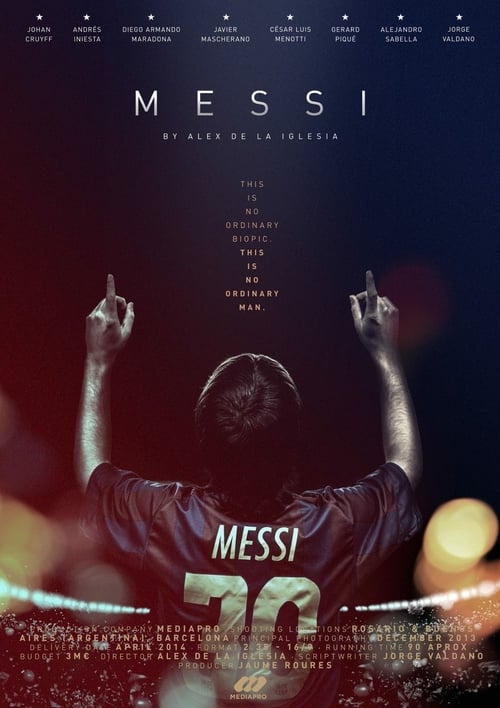
Unpopular opinion, but I think this fragmented approach captures something essential about athletic greatness that traditional sports documentaries miss. Ronaldinho's observations about Messi's early Barcelona years carry weight precisely because they emerge from casual conversation rather than formal interview. When former coach Frank Rijkaard describes the decision to promote a physically underdeveloped teenager, the anecdote gains power through its mundane delivery. De la Iglesia, better known for his surreal comedies, applies that sensibility here—understanding that extraordinary talent often emerges from ordinary moments. The film changed how I think about prodigy, suggesting it's less about dramatic revelation than quiet, persistent difference.
But for pure perspective-altering power, nothing matches my first encounter with Roundhay Garden Scene. At 2.4 seconds, Louis Aimé Augustin Le Prince's 1888 experiment barely qualifies as cinema, let alone documentary. Four figures—including Le Prince's son Adolphe and mother-in-law Sarah Whitley—move in jerky circles, laughing silently in a Leeds garden.

Yet this fragment contains multitudes. Every person visible died decades before my grandparents were born, but their gestures feel immediate, almost contemporary. The technical limitations—12 frames per second on paper-based film—somehow enhance rather than diminish the humanity on display. These aren't actors performing for posterity; they're simply people being watched. Honestly, it's the purest documentary ever made, capturing life without agenda or interpretation. When I learned that Le Prince himself vanished mysteriously in 1890, never seeing his invention's world-changing potential, the viewing experience became almost mystical. Those laughing figures represent not just cinema's birth, but a meditation on impermanence that rivals Terrence Malick at his most philosophical.
Godfrey Reggio's Koyaanisqatsi operates from the opposite extreme—89 minutes of pure sensory bombardment set to Philip Glass's hypnotic score. Without dialogue or traditional narrative, Reggio creates a visual symphony that juxtaposes natural beauty with technological alienation. Ron Fricke's time-lapse cinematography transforms city streets into arteries, rush-hour commuters into blood cells, and industrial landscapes into alien geography.
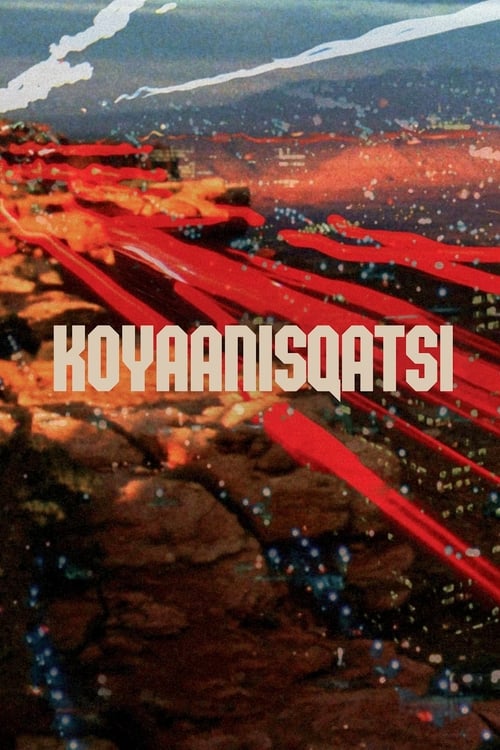
Critics often dismiss Koyaanisqatsi as pretentious, and I understand the objection. Reggio's environmental message isn't subtle—the Hopi word "koyaanisqatsi" means "life out of balance"—and the film's politics feel dated forty years later. Yet something profound happens during extended viewing. Glass's minimalist arpeggios sync with your heartbeat. Fricke's images begin operating below conscious thought. I found myself seeing urban environments differently for months afterward, noticing patterns and rhythms that previously remained invisible. It's propaganda, certainly, but propaganda that works through aesthetic immersion rather than rational argument.
Which brings me to Jackass Forever, my most controversial inclusion here. Johnny Knoxville's final hurrah with his crew of professional masochists shouldn't qualify as documentary at all—these stunts are carefully planned and executed with safety crews standing by. But I think there's something unnervingly honest about watching middle-aged men voluntarily submit to elaborate physical punishment for our entertainment.
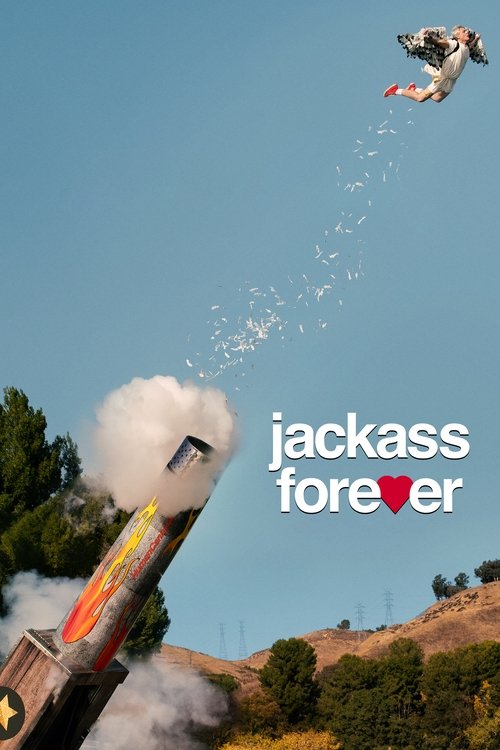
Directors Jeff Tremaine, Spike Jonze, and Knoxville himself document genuine pain and genuine laughter with unflinching clarity. When Steve-O takes a particularly brutal hit, his agony is real even if the circumstances are artificial. The film becomes an accidental meditation on mortality, friendship, and America's complicated relationship with both. These guys are performance artists whether they admit it or not, and their art involves turning their bodies into punchlines. That's more honest than most Hollywood productions.
All five films share a common thread: they forced me to confront uncomfortable truths about reality, time, and human nature. The best documentaries don't just inform—they transform perception itself. They make the familiar strange and the strange familiar.
If you're looking to discover more films that challenge conventional thinking, I'd recommend exploring CinemaSearch's documentary collections. Their algorithm does an impressive job of connecting thematic threads between seemingly disparate works, helping you find those hidden gems that might just change how you see the world.