
The 2000s marked a pivotal decade in cinema history, where ambitious filmmakers dared to bring beloved characters from pages to screens with unprecedented scope and vision. This era witnessed the birth of modern franchise filmmaking, revolutionary visual effects, and the transformation of unknown actors into global superstars. Five films, in particular, stand as monuments to this transformative period, each launching massive franchises that continue to dominate popular culture today.
The Fellowship That Started It All
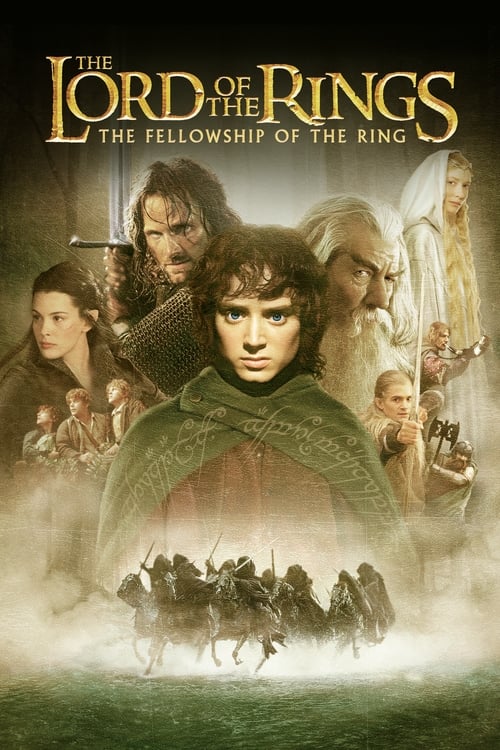
The Lord of the Rings: The Fellowship of the Ring (2001) didn't just adapt J.R.R. Tolkien's epic fantasy—it proved that audiences were hungry for sophisticated, large-scale storytelling. Peter Jackson's ambitious vision transformed New Zealand into Middle-earth and introduced the world to Frodo Baggins' perilous journey to destroy the One Ring.
The film's cultural impact was immediate and lasting. It demonstrated that fantasy could be both commercially successful and critically acclaimed, paving the way for countless adaptations. The trilogy launched careers for Elijah Wood, Orlando Bloom, and Viggo Mortensen while showcasing groundbreaking practical effects and digital compositing that would influence filmmaking for decades.
Jackson's innovative use of forced perspective, massive practical sets, and early digital effects created a template for epic fantasy filmmaking that remains unmatched. The film's success sparked a renaissance in fantasy cinema and proved that audiences would commit to long, complex narratives across multiple films.
Magic Comes to the Mainstream
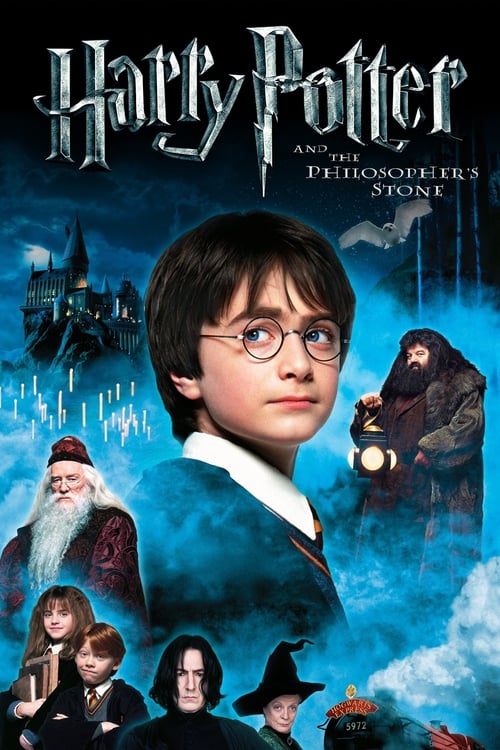
Just one month after Fellowship's release, Harry Potter and the Philosopher's Stone (2001) cast its own spell on audiences worldwide. Chris Columbus directed this faithful adaptation of J.K. Rowling's beloved novel, introducing young Daniel Radcliffe, Emma Watson, and Rupert Grint to the world as the iconic trio of Harry, Hermione, and Ron.
The film's success lay not just in its magical elements but in its authentic portrayal of childhood friendship and the universal desire to belong. Hogwarts School became a character itself, brought to life through stunning production design and early CGI that made Quidditch matches and moving staircases feel tangible.
The Harry Potter franchise redefined what a film series could be, maintaining narrative continuity across eight films while literally growing up alongside its audience. It demonstrated the power of cross-generational storytelling and proved that family films could tackle increasingly mature themes without losing their core audience.
The Birth of the Modern Superhero Era
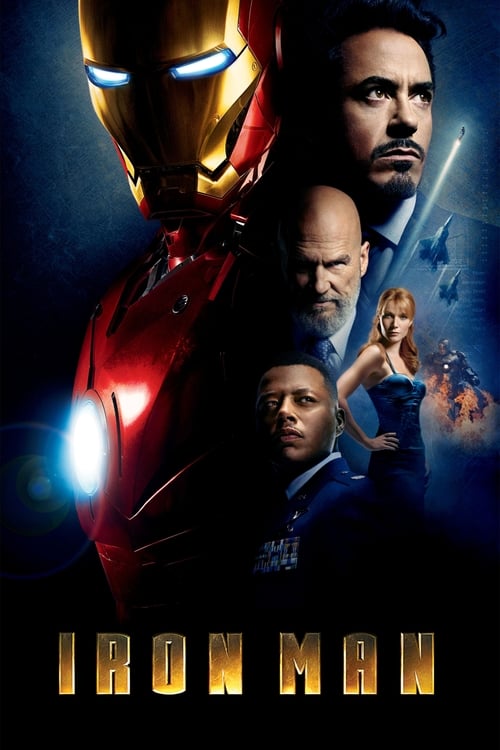
In 2008, Iron Man launched what would become the most successful franchise in film history. Jon Favreau's direction and Robert Downey Jr.'s charismatic performance as Tony Stark created a new template for superhero filmmaking—one grounded in character development and real-world consequences.
Downey Jr.'s casting was considered risky at the time, but his natural wit and charm perfectly embodied the billionaire genius. The film's success proved that lesser-known comic book characters could anchor major franchises, opening the door for the Marvel Cinematic Universe's ambitious interconnected storytelling approach.
The movie's blend of practical effects and cutting-edge CGI created a believable Iron Man suit while maintaining the humanity of the man inside. Its post-credits scene featuring Nick Fury mentioning "The Avengers Initiative" changed cinema history, establishing the concept of a shared cinematic universe.
Darkness and Complexity in Superhero Cinema

Christopher Nolan's The Dark Knight (2008) elevated superhero films to new artistic heights. Heath Ledger's haunting final performance as the Joker created one of cinema's most memorable villains, while Christian Bale's Batman grappled with moral complexities rarely seen in the genre.
The film's exploration of chaos versus order, enhanced by Ledger's terrifying portrayal of anarchy incarnate, resonated with post-9/11 audiences seeking deeper meaning in their entertainment. Nolan's practical effects approach, including flipping an actual semi-truck, raised the bar for action sequences.
Ledger's posthumous Oscar win marked the first time the Academy recognized a performance from a superhero film, legitimizing the genre in ways previously unimaginable. The Dark Knight proved that comic book adaptations could be both blockbuster entertainment and serious cinema.
Revolutionary Technology and World-Building
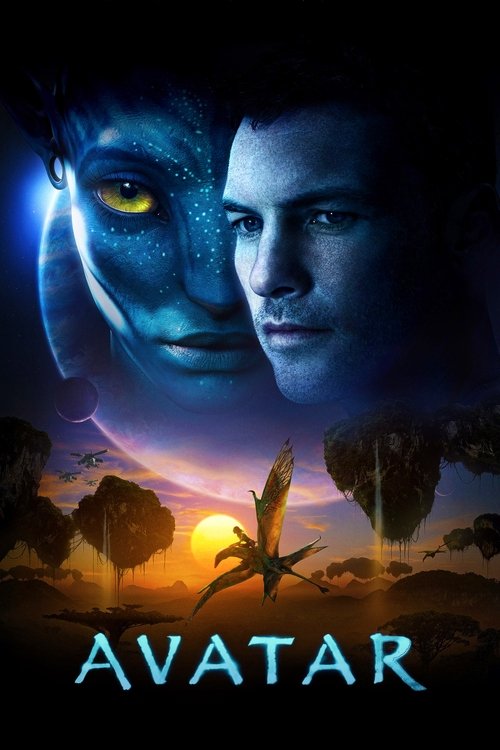
James Cameron's Avatar (2009) closed the decade with a technological revolution that changed filmmaking forever. The film's groundbreaking motion capture technology and 3D cinematography created the lush, alien world of Pandora with unprecedented realism.
Sam Worthington's Jake Sully embarked on a journey that was as much about environmental consciousness as it was about spectacular action. The film's environmental themes and indigenous rights allegory gave weight to its visual splendor, creating a complete cinematic experience.
Avatar's success sparked the modern 3D revolution and demonstrated the potential of digital filmmaking. Its record-breaking box office performance showed that original science fiction could compete with established franchises, inspiring filmmakers to push technological boundaries.
A Lasting Legacy
These five films didn't just define the 2000s—they shaped the entertainment landscape we know today. They proved that audiences craved epic storytelling, complex characters, and innovative filmmaking techniques. From the practical magic of Middle-earth to the digital wonders of Pandora, each film pushed creative boundaries while launching careers and franchises that continue to thrive.
The decade's emphasis on franchise building, technological innovation, and cross-demographic appeal established templates that modern Hollywood still follows. These films demonstrated that with vision, ambition, and respect for source material, filmmakers could create cultural phenomena that transcend mere entertainment.
Ready to discover more cinematic gems from this transformative era? Use CinemaSearch to explore similar groundbreaking films and find your next movie obsession. Whether you're craving epic fantasy adventures or superhero spectacles, CinemaSearch will help you uncover the perfect film for your mood.