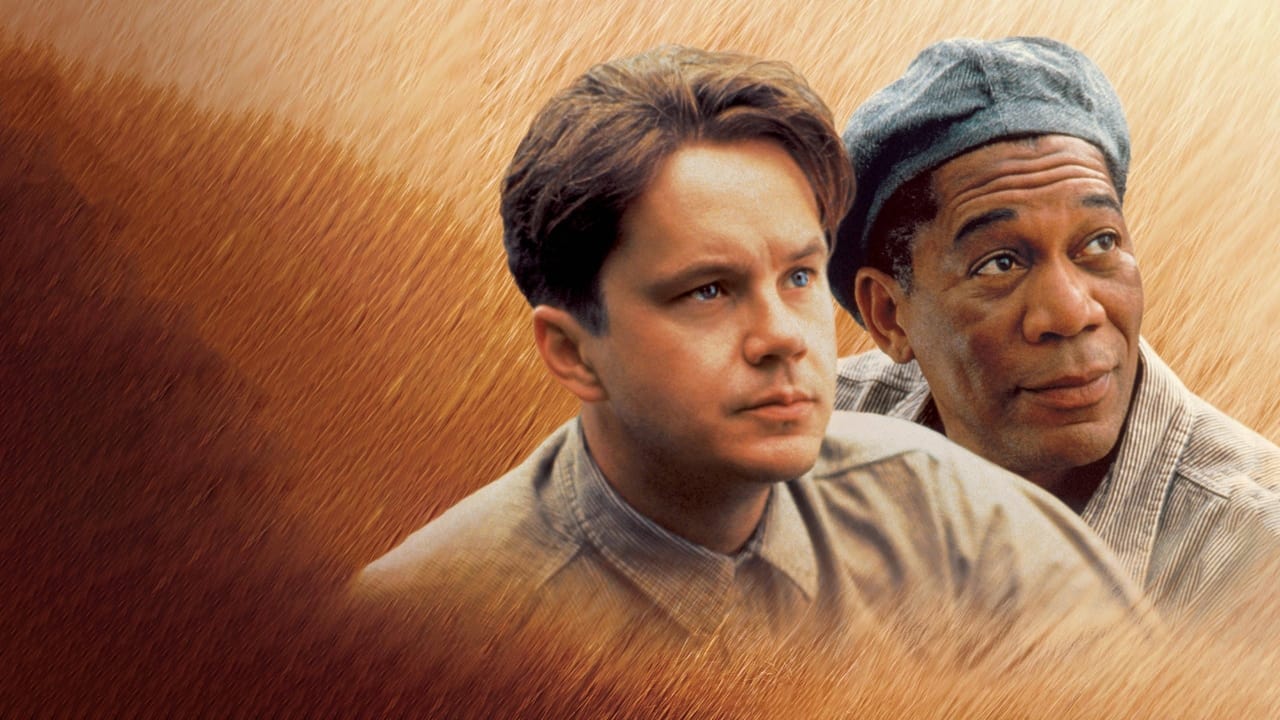
I'll never forget watching The Shawshank Redemption for the first time in college. My roommate had been pestering me for weeks, insisting I'd love it, but honestly? A prison movie didn't sound appealing. Then came that final scene—you know the one—and I found myself genuinely moved without feeling like the movie had emotionally manipulated me. That's the mark of a drama that earns its moments.
Here's the thing about great dramatic films: they don't need to work overtime convincing you to feel something. The emotion emerges naturally from character, situation, and truth. You're not being played—you're being invited to genuinely care.
The Shawshank Redemption: Hope Built One Scene at a Time
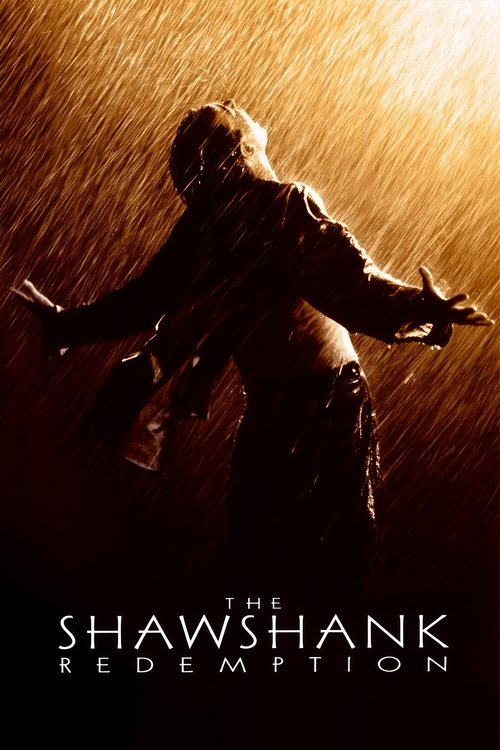
Frank Darabont's 1994 adaptation could have easily become a sentimental mess. Prison movies often lean into either brutal realism or manipulative uplift. Shawshank walks a much more difficult line—it acknowledges genuine horror while building toward hope.
The genius lies in how Darabont and his cast develop Andy Dufresne's relationships over decades. Tim Robbins plays Andy not as a saint, but as a stubborn man who refuses to let circumstances define him. When he helps fellow inmates get their high school diplomas or plays Mozart over the prison loudspeakers, these aren't manufactured "inspiring" moments. They grow from his character.
Morgan Freeman's Red serves as our guide, and his narration never feels forced because Freeman understands something crucial: Red is telling us this story because he needs to process it himself. The friendship between Andy and Red develops so gradually that you barely notice it happening until suddenly you're completely invested.
Watch this when you need reminding that small acts of decency matter. Fair warning though—you'll need emotional energy for the full experience. This isn't background viewing.
The film's most powerful moment isn't the famous ending on the beach. It's much quieter: Brooks struggling with life outside prison walls. James Whitmore's performance as the elderly librarian captures something devastating about institutionalization without ever asking for pity. Darabont lets the situation speak for itself.
12 Angry Men: Tension Without Manipulation
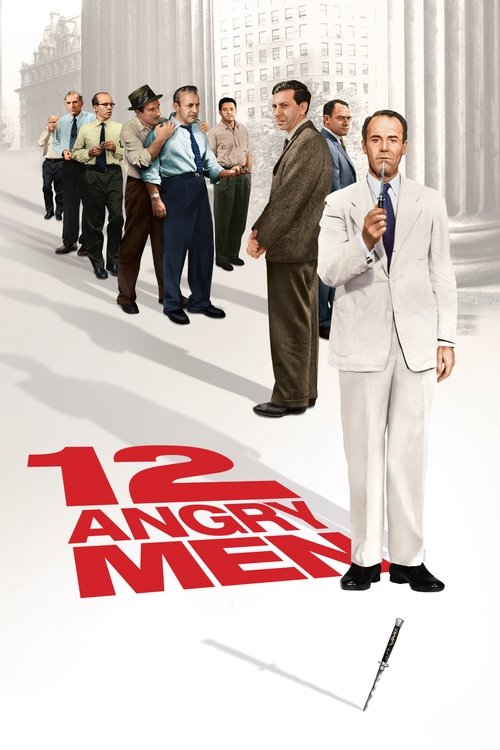
Sidney Lumet's 1957 courtroom drama might be the most emotionally honest film ever made about changing minds. Twelve jurors debate a murder case, and gradually, methodically, Henry Fonda's Juror 8 introduces reasonable doubt.
What makes this work—and here's my slightly controversial take—is that Lumet never suggests the defendant is definitely innocent. Fonda's character doesn't know the truth either. He simply insists they examine the evidence carefully before potentially sending someone to die.
The emotional power comes from watching prejudice and lazy thinking get challenged, not from learning whether the kid actually committed murder. Each juror represents different biases: Lee J. Cobb's angry father projecting his family dysfunction, Ed Begley's bigot revealing his racism, Jack Warden's baseball fan just wanting to leave.
Lumet shot the film almost entirely in one room, using closer lenses and lower angles as tension builds. You feel the claustrophobia without the technique calling attention to itself. The performances feel lived-in because these actors understand their characters' psychology beyond what's explicitly stated.
This film works best when you're feeling frustrated with how people form opinions. It's not about the legal system—it's about whether we're willing to think carefully about difficult questions. Choose a day when you have patience for dialogue and moral complexity.
The script by Reginald Rose refuses to make anyone purely villainous. Even the most biased jurors have understandable motivations. When minds change, it happens gradually, through logic and human connection rather than dramatic speeches.
The Godfather: Family Tragedy Disguised as Crime Epic
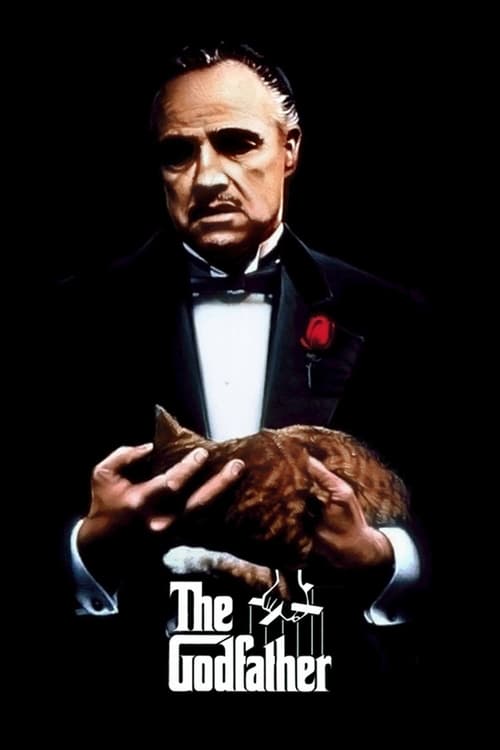
Francis Ford Coppola's 1972 masterpiece gets discussed mainly for its influence on crime films, but honestly? It's one of the most devastating family dramas ever made. The real story isn't about organized crime—it's about a son becoming someone he never wanted to be.
Al Pacino's Michael Corleone starts the film as a war hero trying to stay legitimate. Marlon Brando's Vito, despite being a crime boss, operates by a code emphasizing loyalty and family protection. The tragedy unfolds as Michael gradually abandons his father's principles while believing he's preserving them.
Coppola and cinematographer Gordon Willis create intimacy through shadows and close spaces. The famous wedding sequence establishes the Corleone world as genuinely warm—these people care about each other. That makes Michael's transformation genuinely painful rather than simply dramatic.
Watch the restaurant scene where Michael kills Sollozzo and McCluskey. Pacino's hands shake. The gun feels heavy. This isn't glamorous—it's a decent man crossing a line he can't uncross. Every subsequent choice becomes easier, and that progression feels inevitable rather than manipulative.
The film's emotional climax isn't a gunfight—it's the final scene between Michael and his wife Kay (Diane Keaton), when she realizes who her husband has become. Pacino shows us a man who's gained power but lost his soul, and he does it without ever asking for sympathy.
Save this for when you want something substantial that rewards attention. The pacing is deliberate, building relationships and consequences over nearly three hours.
Finding Your Next Emotional Journey
These films prove that genuine drama doesn't need to manipulate audiences. Great writing, committed performances, and confident direction create emotional experiences that feel earned rather than manufactured.
If you're looking for more films that achieve this kind of honest emotional impact, try exploring similar titles on CinemaSearch. Their recommendation engine helps you discover movies that match the specific qualities you're seeking—whether that's character-driven storytelling, moral complexity, or performances that feel genuinely human rather than showy.