"That's impossible! There's no way anyone could have figured that out!" This is the death knell of any mystery movie. Nothing stings quite like investing two hours in a puzzle only to discover the filmmakers pulled their solution out of thin air. But here's the thing—some mysteries actually do play fair. They plant their clues methodically, craft their red herrings with purpose, and deliver revelations that make you want to immediately watch again.
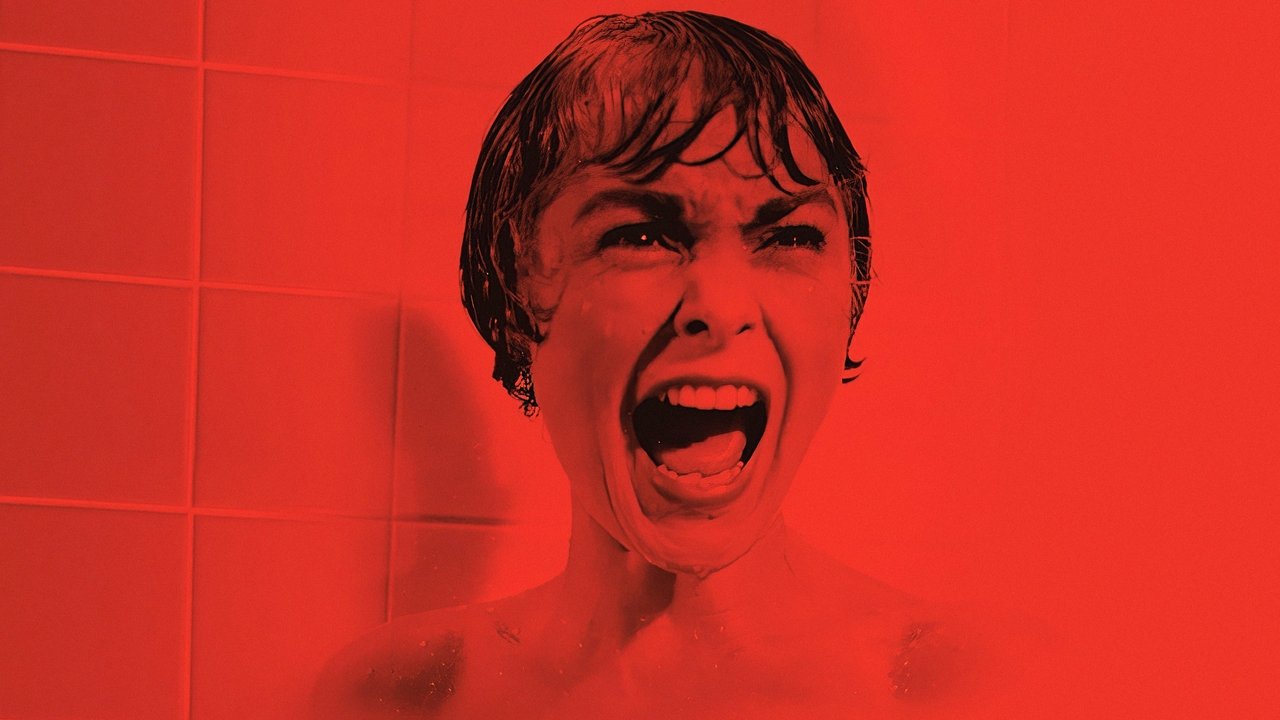
I discovered this the hard way with Psycho back in college. Alfred Hitchcock's 1960 thriller seemed straightforward enough during my first viewing—woman steals money, checks into creepy motel, gets murdered by proprietor's jealous mother. Case closed. But something nagged at me during that famous shower scene. Why did we never actually see Mrs. Bates clearly? Why was Norman so awkward around Marion before her death?
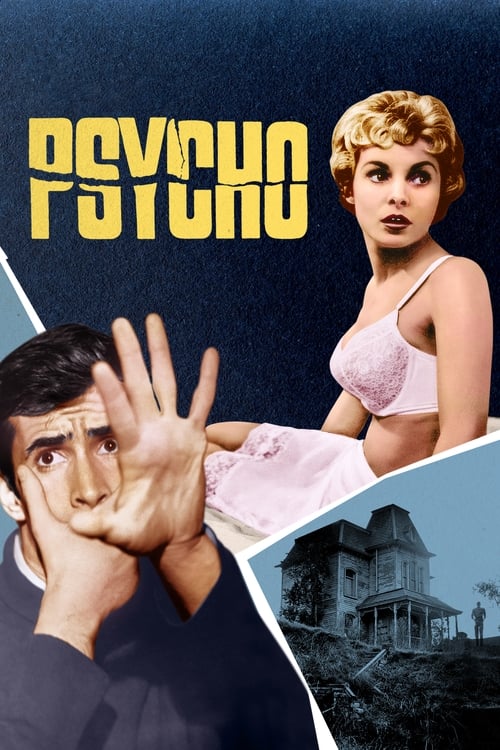
Rewatching revealed Hitchcock's meticulous fairness. Every clue was there. Norman's nervous bird-like movements. The way he seemed to argue with himself. That telling moment when he says "a boy's best friend is his mother." The film doesn't cheat—it misdirects through cinematography and performance, but never lies about what we're seeing. Honestly, it's a masterclass in how to hide truth behind assumption.
Christopher Nolan took similar care with The Prestige, though his approach feels almost mathematical by comparison. Where Hitchcock relied on psychological sleight of hand, Nolan constructs an intricate clockwork of deception that mirrors the magic tricks at the story's center.
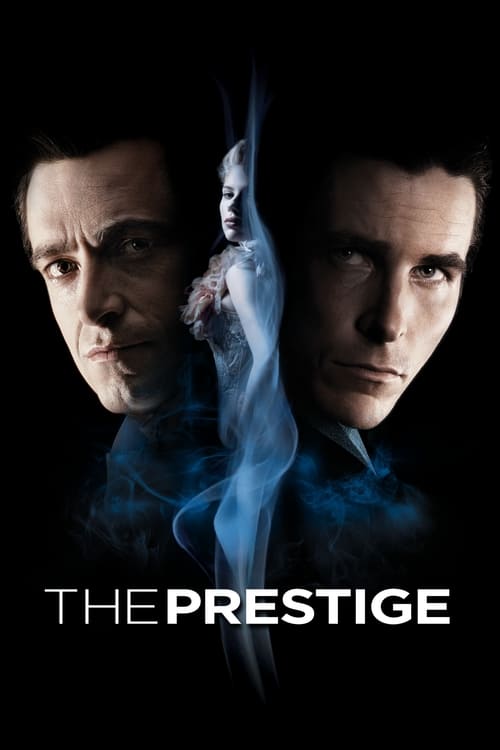
The rivalry between Christian Bale's Alfred Borden and Hugh Jackman's Robert Angier unfolds like a series of nested boxes, each revelation changing how we understand what came before. But Nolan plays scrupulously fair. Every major twist has been carefully seeded. Borden's inconsistent behavior with his wife and daughter isn't character inconsistency—it's a clue about the nature of his greatest trick. The film rewards obsessive rewatching in ways that still surprise me fifteen years later.
Wes Craven's Scream takes a completely different approach, turning the mystery genre's conventions into both weapon and shield. The film is simultaneously a slasher movie and a commentary on slasher movies, which sounds insufferably meta but actually works brilliantly.
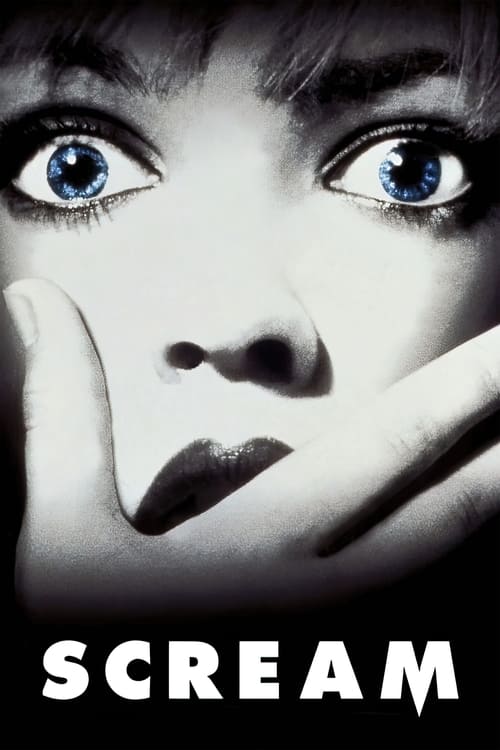
Sidney Prescott's boyfriend Billy might seem like an obvious red herring—too obvious to be the real killer. But Craven plants genuine clues alongside the misdirection. Billy's unexplained absences. His strange reaction to certain questions. The cell phone that shouldn't exist. When the revelation comes, it feels both surprising and inevitable. That's the hallmark of fair mystery writing.
Then there's Denis Villeneuve's Incendies, which operates on an entirely different emotional register. This isn't a puzzle to be solved so much as a tragedy to be uncovered, following twins Jeanne and Simon as they trace their mother's mysterious past in the Middle East.
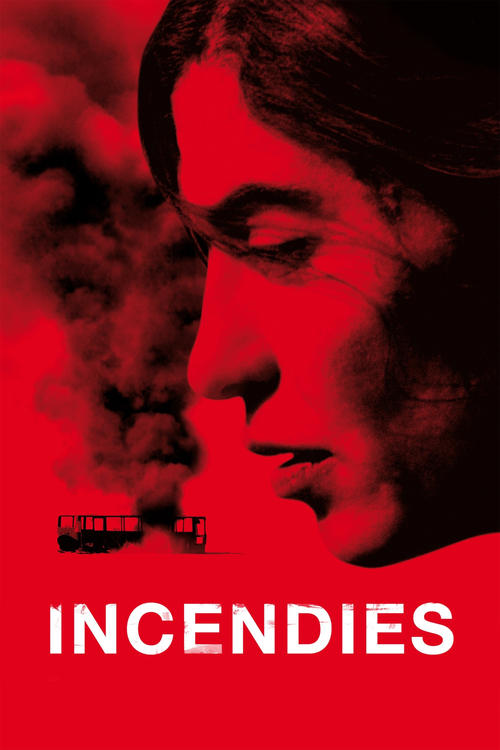
Villeneuve's fairness feels almost cruel in its precision. The clues are there—photographs, dates, locations—but they're scattered across decades and cultures. The final revelation hits like a physical blow, not because it's unearned but because it's been so carefully constructed. This is mystery as archaeological excavation, each discovered truth more devastating than the last.
I'll be honest—Fragile is the weakest link in this group, but it deserves mention for attempting something genuinely difficult: a fair-play supernatural mystery. Most ghost stories cheat by their very nature, but Jaume Balagueró's 2005 film tries to ground its supernatural elements in observable phenomena.
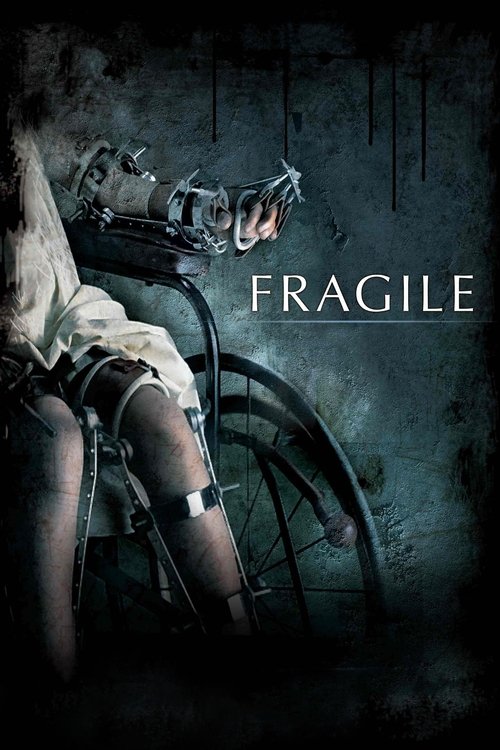
Calista Flockhart's nurse Amy gradually uncovers the truth about the children's hospital through investigation rather than revelation. The ghost story becomes a detective story, complete with physical evidence and logical deduction. It doesn't entirely succeed—the supernatural elements sometimes feel at odds with the procedural ones—but the attempt is admirable.
Here's what these films share: respect for their audience's intelligence. They don't assume we're idiots who need everything spelled out, but they also don't assume we're mind readers who can intuit information that hasn't been provided. That's a delicate balance.
They also understand that the best red herrings aren't lies—they're truths pointing in wrong directions. Billy in Scream really is suspicious; he's just not the only killer. Norman in Psycho really is disturbed; we just misunderstand the nature of his disturbance.
But these films diverge dramatically in tone and purpose. Psycho is ultimately about voyeurism and guilt. The Prestige explores obsession and sacrifice. Scream deconstructs horror movie logic while embracing it. Incendies uses mystery structure to examine war's cyclical nature. Fragile attempts to rationalize the irrational.
For casual viewing, I'd recommend starting with Scream—it's the most fun and requires the least emotional investment. For those who enjoy intricate plotting, The Prestige rewards multiple viewings like few other films. Psycho remains essential viewing for understanding how visual storytelling can misdirect without lying. Incendies is for viewers ready for something more challenging and emotionally brutal.
The key difference between fair mysteries and cheap ones isn't difficulty—it's honesty. These films may hide their secrets, but they don't lie about them. Every clue is there for sharp eyes to find.
If you're hungry for more mysteries that play by the rules, CinemaSearch's recommendation engine is surprisingly good at finding films with similar approaches to clue-planting and revelation. It's helped me discover several hidden gems that respect their audience's intelligence the way these classics do.