
I'll never forget watching '71 for the first time and realizing I'd been holding my breath for like twenty minutes straight. Not because of some massive explosion or gravity-defying stunt, but because Jack O'Connell was just running through Belfast streets while everything went to hell around him. That's when it hit me—real action isn't about spectacle. It's about making you feel like you're actually there.

Honestly, '71 is the perfect place to start this conversation because it strips action down to its essentials. Yann Demange didn't need alien invasions or superhero powers—just one terrified soldier, Gary Hook, trying to survive in hostile territory. The camera work feels documentary-real. Shaky but purposeful. Every chase sequence has weight because you can actually follow what's happening. There's this moment where Hook stumbles through a bombed-out building, and you feel every piece of debris under his feet. That's craft, not just chaos.
Here's the thing about practical effects and real stunt work—they have this authenticity that CGI still can't quite capture. When Tom Hardy's in a rotating hallway in Inception, you know Christopher Nolan actually built that rotating hallway. The actors are really stumbling around while the whole set spins. That physical reality translates through the screen in ways that computer graphics just... don't.
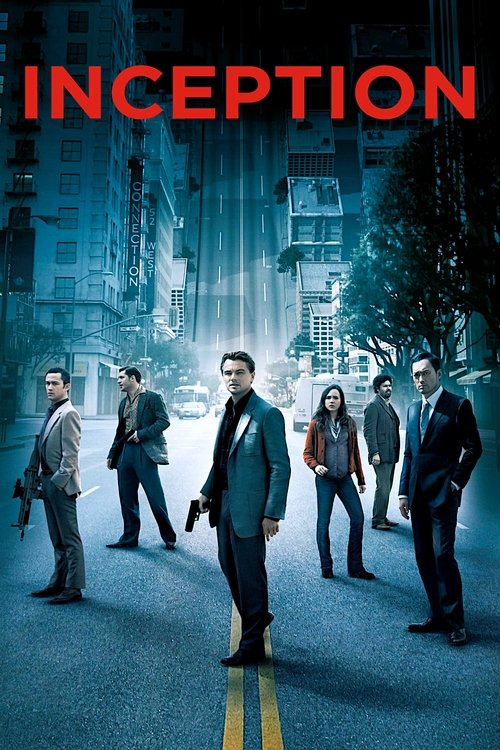
Nolan's approach to Inception is fascinating because he uses CGI strategically, not as a crutch. The famous folding Paris sequence? Sure, that's digital. But Marion Cotillard and Leonardo DiCaprio are having real conversations in real spaces. The van flipping sequence cuts between actual stunt work and dream logic seamlessly. You've got Joseph Gordon-Levitt actually fighting in that spinning hallway while Arthur's floating around in zero gravity. The complexity serves the story, not the other way around.
Look, I'm not some CGI hater—when it's done right, digital effects can be incredible. James Cameron proved that with Avatar back in 2009. But even Cameron built massive practical sets for the human scenes and insisted on real performances through motion capture.

Avatar works because Cameron understood something crucial: you need emotional reality to ground all that visual spectacle. Sam Worthington's Jake Sully goes through genuine character development. The Na'vi feel like real beings with their own culture, not just fancy computer animations. Cameron spent years developing the technology, but he never forgot he was telling a human story. That forest chase sequence where Jake's running from the thanator? The fear in his eyes is real, even if the creature isn't.
But here's where I might lose some people—I actually think Spider-Man: Far From Home represents everything wrong with modern action filmmaking. Sorry, Marvel fans.
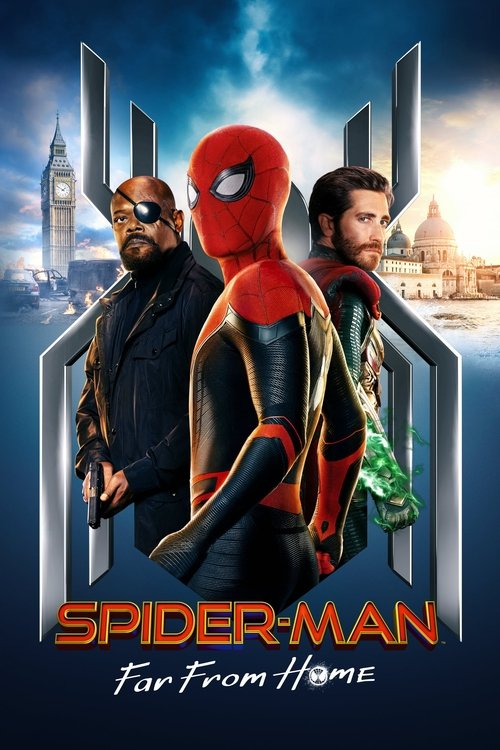
Don't get me wrong, Tom Holland's great as Peter Parker. The character moments work. But those action sequences? They're basically video game cutscenes. Everything's so polished and weightless that there's no sense of actual danger. When Spider-Man's swinging through those Mysterio illusion sequences, it looks expensive but feels empty. There's no physicality to any of it. Compare that to the Raimi Spider-Man films where you could feel Tobey Maguire actually swinging through New York streets—even when it was obviously a stunt double, the weight and momentum felt real.
The upcoming Superman movie from James Gunn has me cautiously optimistic though. Early reports suggest they're going back to practical effects wherever possible. Christopher Reeve's Superman worked because Richard Donner made you believe a man could fly through clever cinematography and genuine earnestness, not just expensive CGI.

What I'm really hoping for is that directors remember why we fell in love with action movies in the first place. It wasn't the explosions—it was the human element. The reason '71 works so well is because Gary Hook feels like a real person in an impossible situation. Every decision matters. Every mistake has consequences.
The best action directors understand this balance. They know when to use practical effects, when to enhance with CGI, and when to just focus on character and story. They respect the audience's intelligence instead of just throwing spectacle at the screen and hoping something sticks.
Honestly, if you want to explore more films that nail this balance between practical craft and smart storytelling, I'd recommend checking out CinemaSearch. Their recommendation engine is pretty solid at finding movies based on specific elements like stunt work and practical effects, not just genre tags. It's helped me discover some real gems that I probably would've missed otherwise.
Action movies can be so much more than just noise and fury. They can make you believe in the impossible while keeping you grounded in genuine human emotion. That's the real craft worth celebrating.