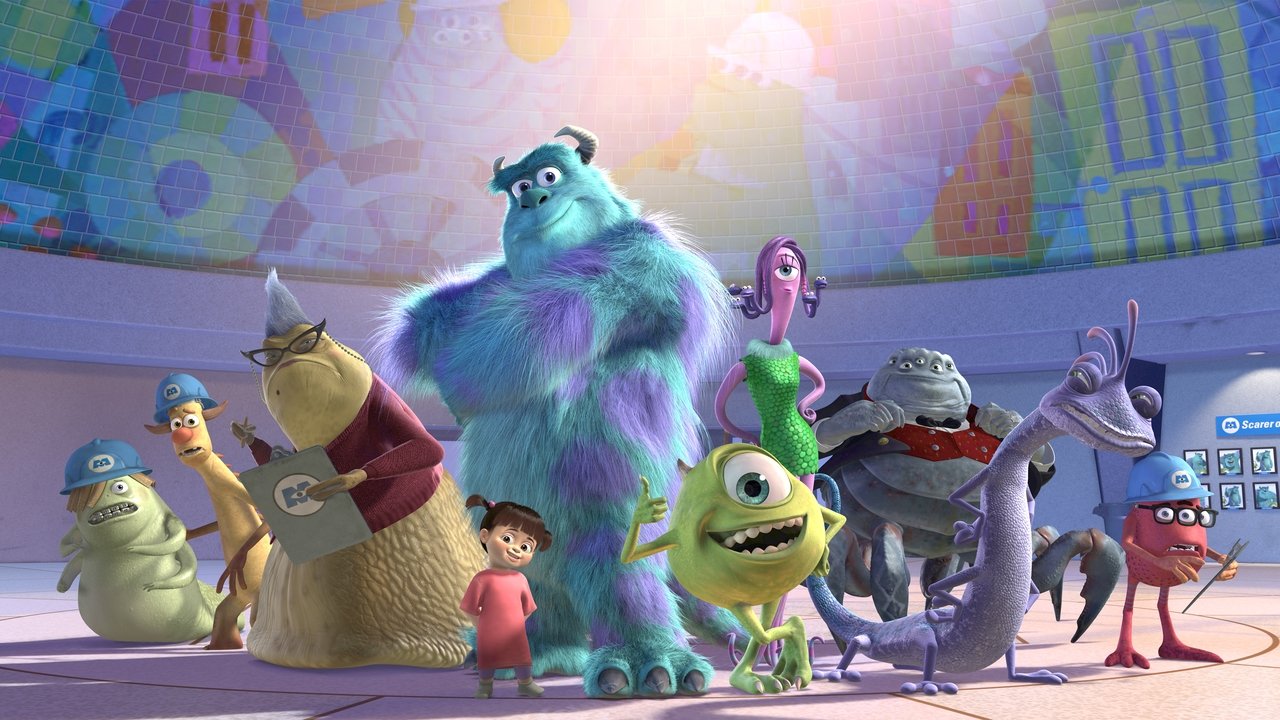
So here's the thing about the 2000s – everyone talks about superhero films and franchise building, but honestly? The real revolution was happening in animation studios. While Hollywood was still figuring out digital filmmaking, companies like Pixar were essentially inventing a new visual language from scratch.
Monsters, Inc. might be my favorite example of this evolution. 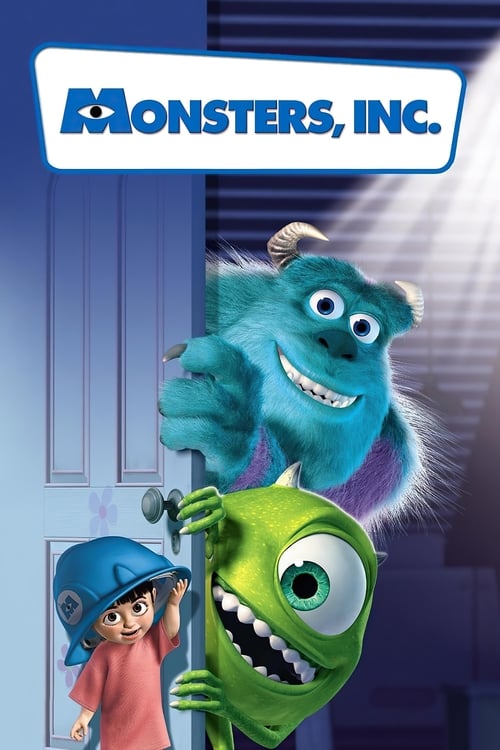 Pete Docter's direction here is criminally underrated – the way he builds genuine terror in those opening scare sequences before pivoting into comedy is masterful. But what really gets me is how Pixar solved the technical challenge of Sulley's fur. Every strand moves independently. Sounds boring until you realize they were essentially creating a new form of cinematic realism that had never existed before.
The transition to digital wasn't just technical – it was philosophical. John Goodman and Billy Crystal's chemistry as Sulley and Mike works because the animators could finally capture subtle facial expressions that would've been impossible with traditional animation. When Sulley realizes Boo is afraid of him, Goodman's performance combined with those micro-movements in the character's eyes creates genuine pathos. That's not cartoon acting anymore. That's just acting.
But honestly, The Incredibles is where Brad Bird really showed everyone how it's done. 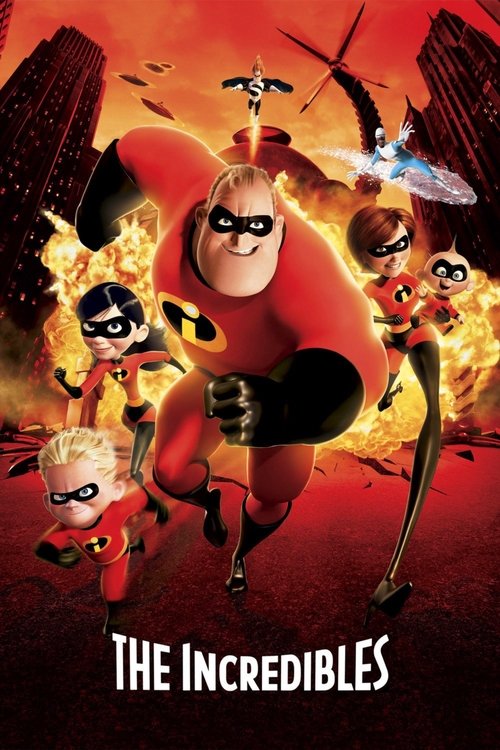 Bird came from traditional animation at Warner Bros, and you can feel that classical sensibility in every frame. The way he stages the action sequences – particularly that jungle chase with the Omnidroid – borrows heavily from Kurosawa and Spielberg. Multiple planes of action, clear geography, escalating tension.
Unpopular opinion but I think Bird's work here influenced the Marvel Cinematic Universe more than people realize. The family dynamic, the reluctant hero returning to duty, even the production design with its retro-futuristic aesthetic – it's all there in Iron Man a few years later. Craig T. Nelson's performance as Bob Parr captures that midlife crisis better than most live-action films of the era. The guy's dealing with suburban ennui and a desk job, but he's also got superpowers. That contradiction drives the entire narrative.
Now Kill Bill: Vol. 1 might seem like an odd inclusion here, but hear me out. 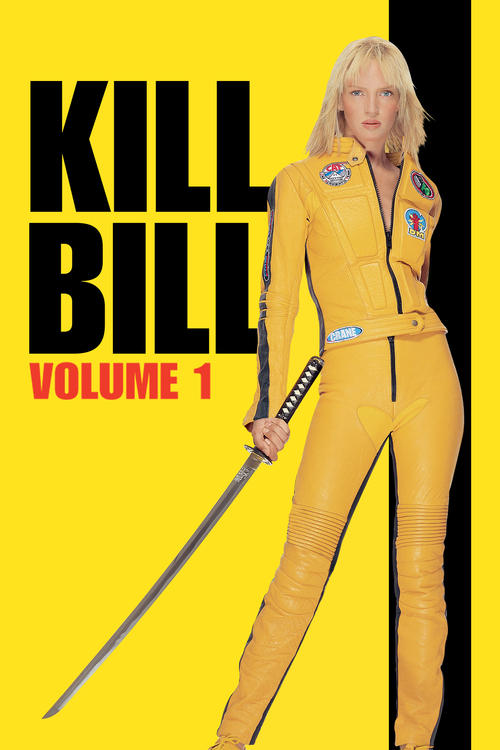 Tarantino's anime sequence – you know the one, O-Ren Ishii's backstory – proved that American filmmakers could seamlessly integrate different visual languages. That sequence, animated by Production I.G, isn't just stylistic flourish. It's narrative necessity. The violence is so extreme that live-action would've been cartoonish, while animation makes it operatic.
Robert Richardson's cinematography throughout the rest of the film borrows heavily from anime aesthetics too. Those impossible color palettes, the way blood sprays in perfect arcs – Tarantino was essentially making a live-action cartoon. Uma Thurman's performance as The Bride has that same heightened reality you see in animated films. Everything's pushed just beyond naturalism.
Shrek changed everything, though I'm still not sure it was entirely for the better. 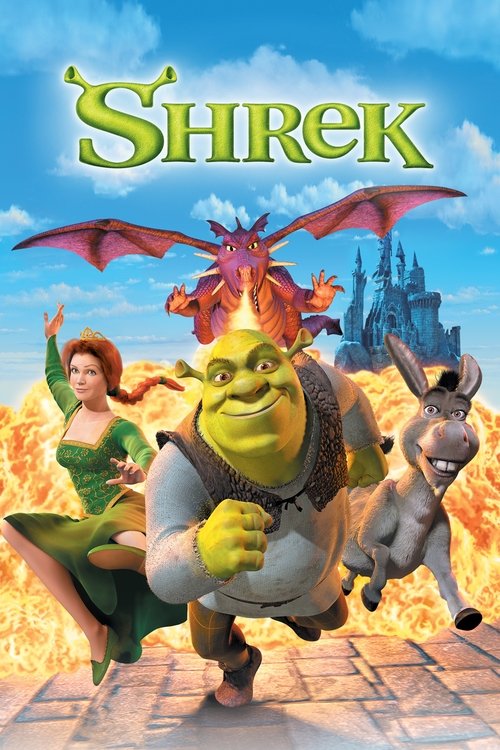 Andrew Adamson and Vicky Jenson created something genuinely subversive – a fairy tale that deconstructed fairy tales while still being one. Mike Myers' Scottish accent was apparently a last-minute decision, but it gives Shrek this working-class authenticity that plays perfectly against the Disney princess archetype.
The problem is Shrek spawned a thousand imitators that missed the point entirely. DreamWorks proved you could be irreverent and heartfelt simultaneously, but most studios just focused on the irreverence. Still, that opening sequence where Shrek goes through his daily routine while "All Star" plays? Pure cinema. It tells you everything about the character without a word of exposition.
Which brings me to Ratatouille, Brad Bird's follow-up that somehow topped The Incredibles. 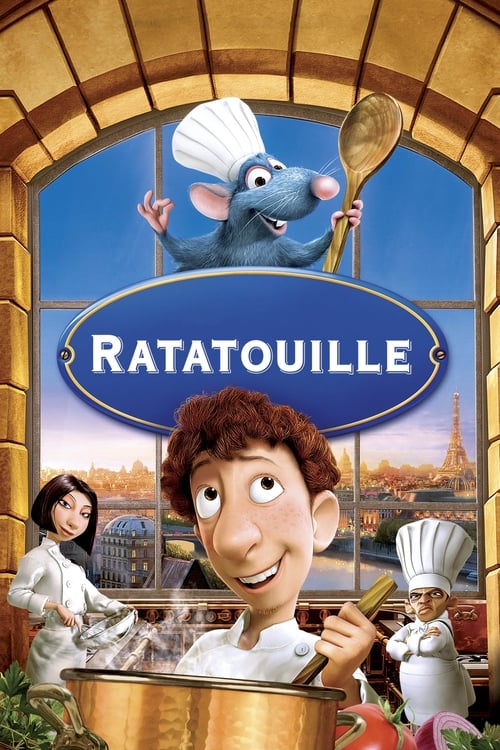 This film is essentially about the nature of artistry itself. Patton Oswalt's voice work as Remy captures that obsessive perfectionism every artist recognizes. But the real genius is how Bird uses food as a visual metaphor – when Anton Ego tastes Remy's ratatouille, that flashback to his childhood isn't just sentiment, it's a thesis statement about how art connects us to memory and emotion.
The technical achievement here is staggering. Every dish looks photograph-real, but more importantly, it looks appetizing. Pixar's lighting team essentially had to become food photographers. And that final critic's monologue, delivered by Peter O'Toole? It's one of the best defenses of criticism – and by extension, thoughtful analysis of any art form – ever put on screen.
These films didn't just advance animation technology – they proved that the medium could handle complex themes, sophisticated humor, and genuine emotion without talking down to audiences. The 2000s gave us digital filmmaking, sure, but more importantly, it gave us digital storytelling.
If you're looking to explore more films from this transformative decade, I'd recommend checking out CinemaSearch – their algorithm is surprisingly good at finding connections between different types of films from this era. Sometimes you need a tool that understands how a Pixar film and a Tarantino revenge fantasy can actually be part of the same cinematic conversation.