
I was seventeen, home sick with the flu, when I first watched Airplane! on a grainy VHS copy my dad had recorded off cable. Honestly, I expected some dated comedy that adults found hilarious for reasons I wouldn't understand. Instead, I found myself laughing so hard I forgot about my fever. That's when I realized something crucial about 80s filmmaking: the best movies from that decade weren't just lucky accidents or products of their cultural moment. They were masterclasses in specific craft elements that many modern films have forgotten.
The Relentless Precision of Airplane!
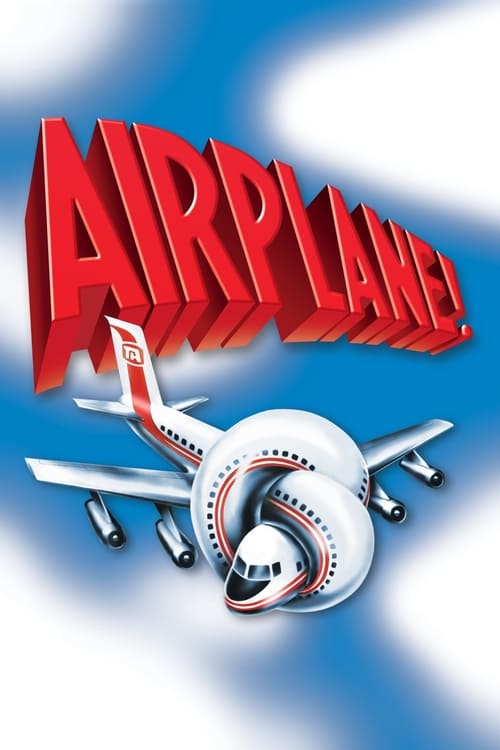
Here's my controversial take: Airplane! is actually a more sophisticated comedy than most people give it credit for. Yes, it's silly. But directors Jim Abrahams, David Zucker, and Jerry Zucker built something remarkable - a comedy that works on multiple levels simultaneously.
The plot itself is straightforward: ex-fighter pilot Ted Striker (Robert Hays) must overcome his trauma and land a passenger plane when the crew gets food poisoning. But that's just the skeleton. The real genius lies in how the ZAZ team layers joke upon joke without ever breaking the serious tone the actors maintain. Leslie Nielsen's Dr. Rumack delivers lines like "I am serious, and don't call me Shirley" with complete deadpan conviction.
What makes this approach brilliant is the timing. Every six seconds, there's a new gag. Visual puns, wordplay, sight gags, parodies of other films - they come at you relentlessly. Modern comedies often pause for laughs, practically winking at the audience. Airplane! never stops moving.
You should watch this when you need pure escapism. The movie demands your complete attention because if you zone out for thirty seconds, you'll miss five jokes. It's perfect for those evenings when your brain is fried from work and you want something that will completely reset your mood. Fair warning though: you'll probably catch new jokes on your fifth viewing that you missed the first four times.
Lethal Weapon and the Art of Character Chemistry

Richard Donner's Lethal Weapon shouldn't work as well as it does. On paper, it sounds like every buddy cop movie cliché: stable family man Roger Murtaugh (Danny Glover) gets partnered with unhinged loose cannon Martin Riggs (Mel Gibson). But here's what director Richard Donner and writer Shane Black understood that many action films miss: the relationship has to feel genuinely lived-in.
Black's script gives both characters real psychological depth. Murtaugh isn't just the "responsible one" - he's a man genuinely worried about aging out of a dangerous job he still loves. Riggs isn't just crazy for the sake of being crazy; his recklessness stems from legitimate grief over his wife's death. That opening scene where Riggs contemplates suicide isn't played for shock value. It establishes genuine stakes.
What really sells the partnership is how naturally Glover and Gibson play off each other. Their first scene together crackles with tension, but you can already sense the mutual respect underneath. When Murtaugh invites Riggs over for dinner, it doesn't feel like a plot convenience - it feels like something this particular character would actually do.
The action sequences work because they grow organically from character decisions. That final fight between Riggs and Mr. Joshua (Gary Busey) on Murtaugh's lawn isn't just a cool setpiece. It's the logical culmination of everything we've learned about how Riggs processes trauma and protects the people he cares about.
This is your go-to film when you want action that actually means something. Modern action movies often feel like video games - impressive but emotionally hollow. Lethal Weapon reminds you how thrilling it can be when you actually care whether the heroes succeed.
The Fly: Body Horror as Heartbreak
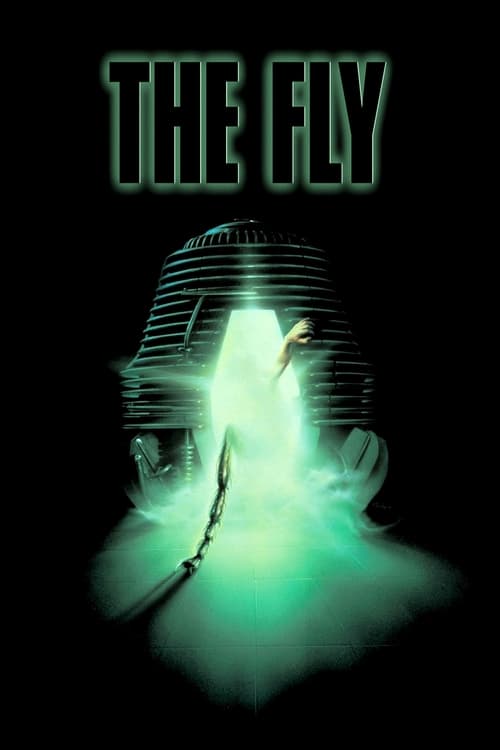
David Cronenberg's The Fly is probably the most emotionally devastating film about scientific hubris ever made. Seth Brundle (Jeff Goldblum) creates a teleportation device, tests it on himself, and accidentally fuses his DNA with a housefly. What follows is a slow-motion tragedy that uses grotesque body horror to explore themes of aging, illness, and losing the person you love.
Goldblum's performance carries the entire film. Early on, Seth is charming but awkward - a brilliant scientist who's more comfortable with machines than people. After the transformation begins, Goldblum charts Seth's deterioration with heartbreaking precision. He doesn't just become a monster; he becomes someone desperately trying to hold onto his humanity as his body betrays him.
Geena Davis matches him as Veronica, the journalist who falls in love with Seth and then must watch him disappear piece by piece. Their relationship feels authentic, which makes Seth's transformation genuinely tragic rather than just gross. You're not watching a monster movie - you're watching someone die slowly while the person who loves him struggles with an impossible situation.
Cronenberg's direction is unflinching but never exploitative. The practical effects by Chris Walas are still stomach-churning decades later, but they serve the story's emotional core. Every stage of Seth's transformation reflects a different aspect of how illness changes us and the people around us.
I think this film works best when you're in the mood for something challenging. It's not entertainment in the traditional sense - it's more like experiencing a nightmare that teaches you something important about being human. Don't watch it on a first date, but definitely watch it when you want to see how genre filmmaking can tackle serious themes without losing any of its power to disturb and move you.
Why These Films Still Matter
These three movies represent something the 80s did better than almost any other decade: they trusted audiences to keep up. Airplane! assumes you'll catch rapid-fire jokes. Lethal Weapon assumes you can handle complex characters within a genre framework. The Fly assumes you want horror that makes you think and feel.
Modern movies often feel focus-grouped to death. These films feel like they were made by people with strong opinions who didn't care if everyone got the joke or understood the reference. That confidence translates into a viewing experience that feels more alive, more unpredictable.
If you're looking to explore more films that share this kind of bold, uncompromising vision, I'd suggest checking out CinemaSearch. Their recommendation engine is surprisingly good at finding movies that capture similar tones and themes, rather than just matching surface-level genre tags. Sometimes the best way to understand why certain films endure is to see what other movies they connect to across different decades and styles.