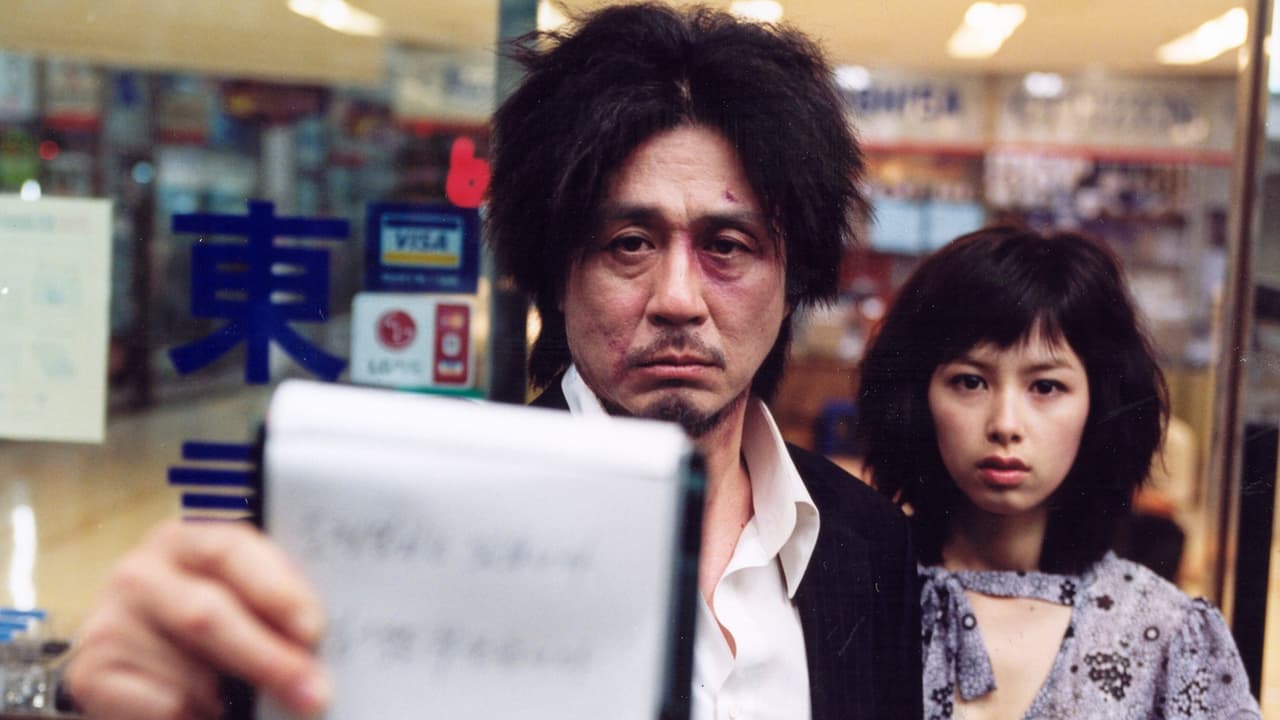
I'll confess something embarrassing: I avoided Oldboy for nearly fifteen years. Everyone called it "disturbing" and "twisted," which honestly made me think it was just another shock-fest trying too hard to be edgy. When I finally watched Park Chan-wook's 2003 masterwork last year, I realized I'd been completely wrong about what makes a thriller genuinely suspenseful.

Oldboy doesn't rely on cheap tricks or manufactured scares. Instead, it builds tension through information—specifically, how it parcels out crucial details to both protagonist Oh Dae-su and the audience. The premise sounds almost absurd: a man gets imprisoned in a hotel room for fifteen years without knowing why, then suddenly gets released and given five days to find his captor. What transforms this into nail-biting cinema is how methodically Park Chan-wook reveals each piece of the puzzle.
Here's what most thrillers get wrong: they think withholding information creates suspense. Oldboy understands that selective revelation is the key. We learn things alongside Dae-su, but we also occasionally know slightly more or less than he does, creating this constant state of unease. Min-sik Choi's performance anchors everything—he plays Dae-su not as an action hero seeking revenge, but as a genuinely confused man trying to solve an impossible equation. The famous corridor fight scene (shot in one continuous take) works so well because Dae-su isn't some unstoppable force. He's exhausted, desperate, and barely winning.
The film's pacing is deliberately methodical. Park Chan-wook takes his time, letting scenes breathe when other directors would cut away. That hypnotism sequence? It goes on longer than you expect, building this weird, dreamlike quality that makes you question reality alongside the protagonist. This isn't a movie you watch when you want quick thrills—save it for when you're prepared to sink into something psychologically demanding.
Prisoners operates on completely different principles, but achieves equally genuine tension through its exploration of moral ambiguity. Denis Villeneuve's 2013 film asks a simple question: how far would you go to save your child? Then it systematically destroys any easy answers.
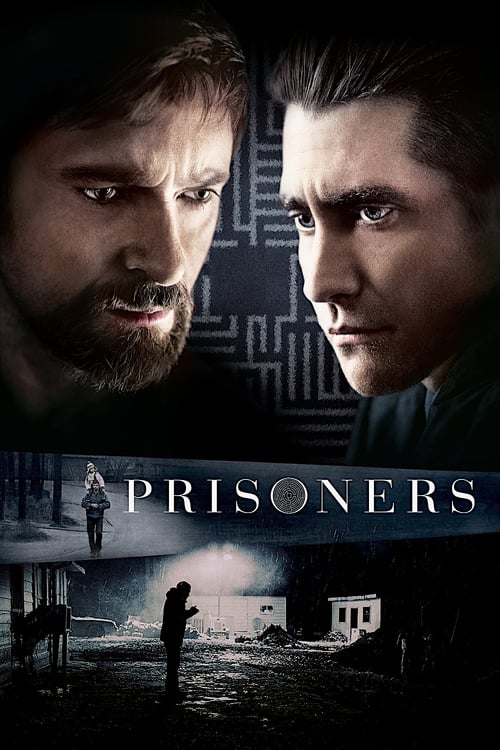
Hugh Jackman plays Keller Dover, a father whose six-year-old daughter Anna disappears along with her friend Joy. The only lead is Alex Jones (Paul Dano), a mentally impaired young man who was driving a suspicious RV. When the police release Alex due to lack of evidence, Keller takes matters into his own hands, kidnapping and torturing him for information.
What makes Prisoners so effective is how it refuses to let you off the hook morally. Villeneuve doesn't present Keller as a monster—Jackman's performance keeps him sympathetic even as he does increasingly horrific things. You understand his desperation. The film's genius lies in making you complicit: part of you wants Alex to break, wants Keller to get the information, even as you're horrified by the methods.
Jake Gyllenhaal's Detective Loki provides the procedural backbone, methodically following leads while the audience watches Keller spiral. The tension comes from this dual timeline—we're simultaneously hoping Loki solves the case quickly and dreading what Keller might do next. Roger Deakins' cinematography traps everyone in perpetual autumn gloom, where even daylight feels oppressive.
Honestly? I think Prisoners is more disturbing than Oldboy because its moral questions feel more real. Most of us will never be imprisoned for mysterious reasons, but many of us are parents. The "what would you do?" scenario hits differently when it feels plausible.
Both films understand something crucial about pacing that modern thrillers often miss: tension requires time to build. Oldboy's fifteen-year imprisonment isn't just backstory—it's active dramatic weight that hangs over every scene. Similarly, Prisoners stretches its timeline across several days, letting desperation accumulate naturally rather than rushing toward resolution.
Neither film uses unreliable narrators in the traditional sense, but both manipulate your perspective in sophisticated ways. Oldboy gradually reveals that Oh Dae-su isn't the innocent victim he initially appears to be, while Prisoners slowly shows how grief can transform ordinary people into something unrecognizable. The "twist" in each case isn't a sudden revelation but a dawning realization.
Here's my controversial take: Jaws remains the better thriller than both of these modern films, precisely because Spielberg understood that the audience's imagination is more powerful than anything you can show them. His mechanical shark kept breaking, forcing him to suggest the threat rather than display it. That limitation created one of cinema's most effective examples of building dread through absence rather than presence.
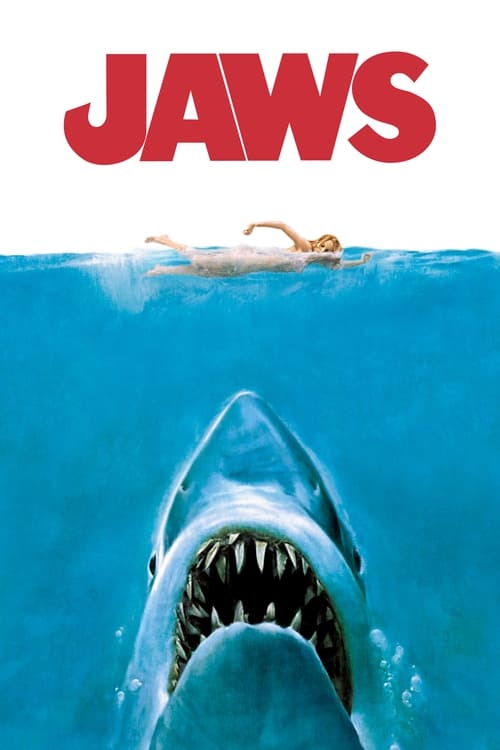
The Indianapolis speech alone generates more genuine unease than most contemporary horror films manage in their entire runtime. Robert Shaw's Quint describes the USS Indianapolis disaster—hundreds of sailors floating in shark-infested waters—in brutal, matter-of-fact detail. No flashbacks. No dramatic music. Just words and Shaw's thousand-yard stare. That scene works because it respects your intelligence and your capacity to visualize horror.
If you're looking for more films that understand genuine tension rather than cheap thrills, I'd recommend exploring CinemaSearch's thriller categories. Their algorithm does a particularly good job of distinguishing between films that rely on jump scares versus those that build sustained psychological pressure. Sometimes the best way to find your next great thriller is to start with one that genuinely unsettled you and see what shares its DNA.