I was nineteen when I first saw Cruella in a packed theater, surrounded by children clutching popcorn and parents checking their phones. Watching Emma Stone transform from scrappy grifter to fashion-world sociopath while the audience cheered felt like witnessing a masterclass in moral manipulation. Here was Disney, of all studios, teaching kids to root for the villain. The cognitive dissonance was exhilarating.
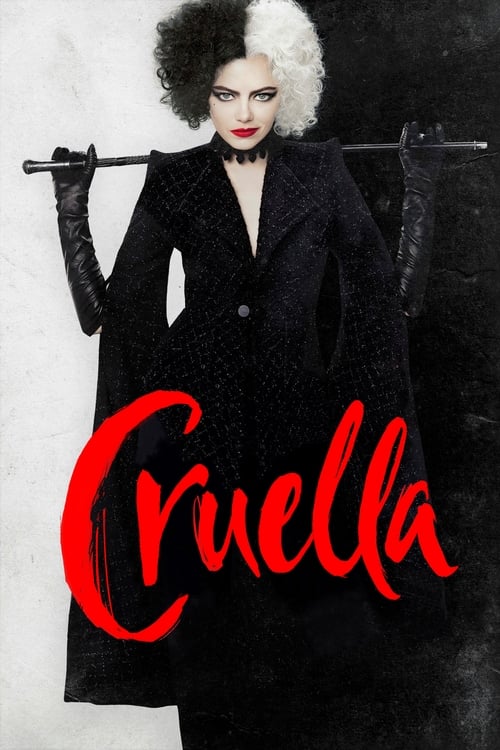
Craig Gillespie's Cruella serves as the perfect entry point into cinema's ongoing love affair with beautiful monsters. Stone's Estella begins sympathetically—orphaned, talented, scraping by in 1970s London—before Craig Gillespie's camera gradually reveals her capacity for calculated cruelty. The film's punk-rock aesthetic and Emma Thompson's deliciously venomous Baroness create a world where revenge feels not just justified, but necessary. We're seduced by the costumes, the wit, the sheer audacity of Cruella's schemes. By the film's end, when she's destroyed lives and embraced her dark nature, we're still applauding. It's Disney's most honest film in years, precisely because it admits what we've always known: villains are more fun.
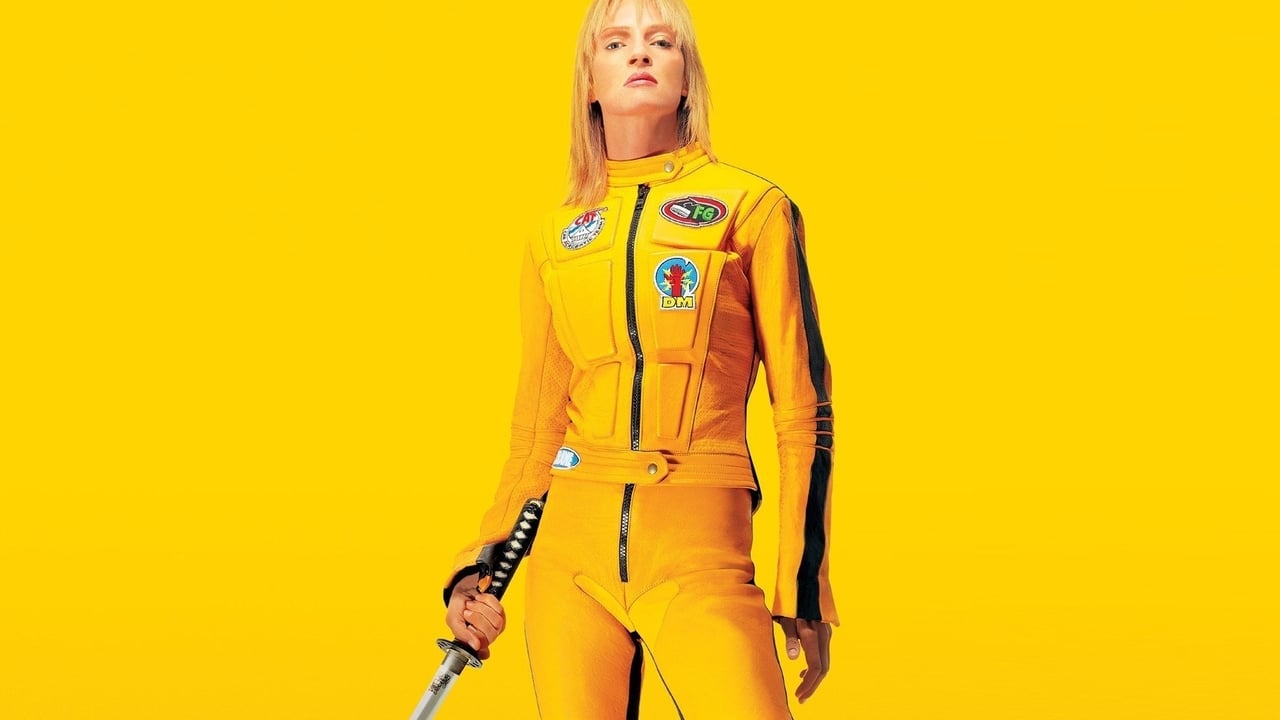
Tarantino understood this decades ago. Kill Bill: Vol. 1 remains his most morally uncomplicated revenge fantasy, which makes it paradoxically his most troubling. Uma Thurman's Bride slaughters her way through Tokyo, and we never question her methods because Tarantino's kinetic direction and saturated cinematography transform violence into ballet.
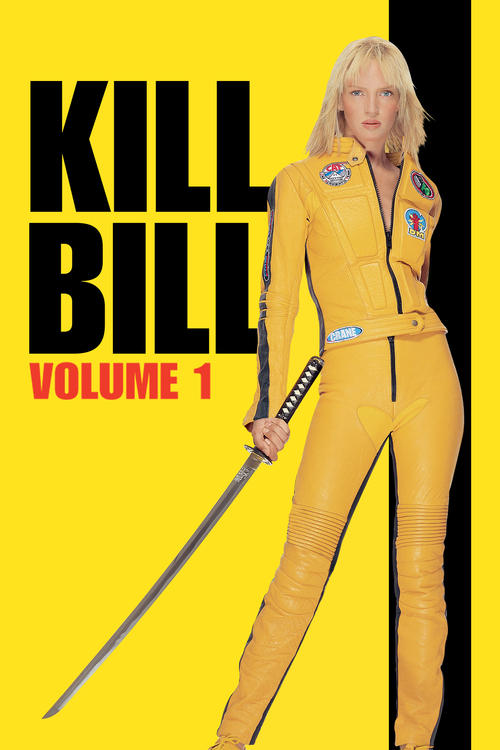
The House of Blue Leaves sequence is pure cinematic heroin—Robert Richardson's camera swooping through meticulously choreographed carnage while RZA's score pulses underneath. Honestly, I think this film scared critics more than Pulp Fiction ever did. At least Vincent Vega faced consequences. The Bride gets her revenge and walks away. Tarantino presents a world where the wronged can achieve perfect justice through perfect violence. It's a seductive lie, beautifully told.
Danny Boyle's Trainspotting complicates this moral landscape considerably. Mark Renton isn't seeking revenge or building an empire—he's barely surviving. Yet Boyle's hyperkinetic direction and Ewan McGregor's charismatic performance make heroin addiction look almost... appealing? The "Choose Life" monologue drips with contempt for conventional morality, while Boyle's visual flourishes—that carpet-dive sequence, the overdose hallucinations—aestheticize self-destruction.
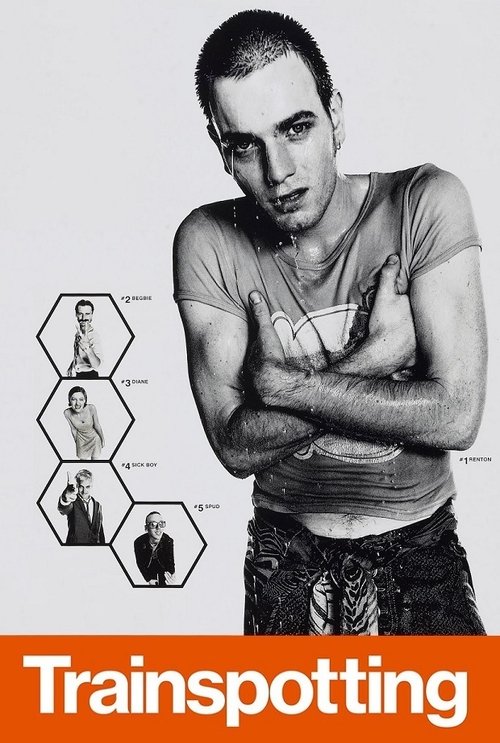
Here's the thing: Trainspotting works precisely because it refuses to either condemn or celebrate its characters. Renton steals from friends, abandons loyalty, chooses self-preservation over solidarity. We understand his choices without approving them. Boyle forces us to confront an uncomfortable truth—sometimes the "wrong" choice is the only rational one. When Renton takes that money and runs, part of us cheers. Part of us feels sick about cheering.
Michael Mann's Heat elevates this moral complexity to operatic heights. Neil McCauley isn't a desperate addict or wronged victim—he's a professional thief who's chosen crime as his vocation. De Niro plays him with methodical precision, a craftsman who happens to rob banks. Mann's Los Angeles becomes a nocturnal cathedral where criminals and cops perform an elaborate dance of mutual respect.
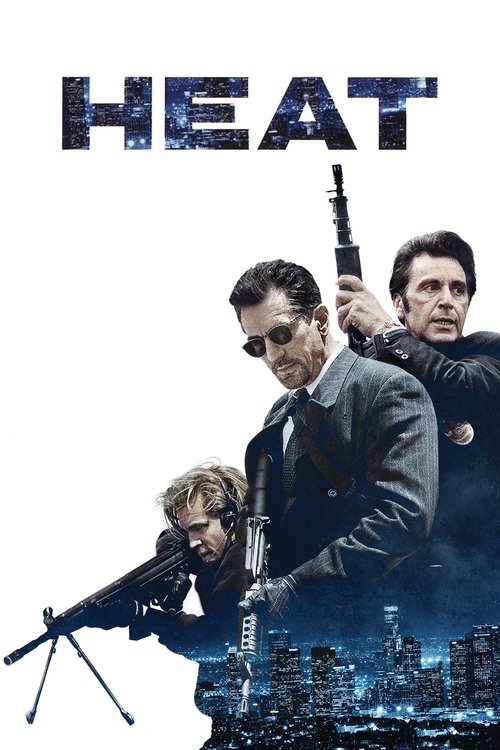
That coffee shop scene between McCauley and Vincent Hanna remains one of cinema's greatest moral standoffs. These men recognize themselves in each other—obsessives who've sacrificed human connection for professional excellence. Mann's camera holds them in perfect equilibrium, neither glorifying nor condemning their choices. We're not asked to choose sides because Mann understands that both men are already lost. The tragedy isn't that one will die—it's that both have already chosen death over life.
But the Coen Brothers' No Country for Old Men pushes furthest into genuinely disturbing territory. Anton Chigurh isn't charismatic or sympathetic—he's a force of inexorable evil who determines life and death with a coin flip. Javier Bardem's performance is chilling precisely because it offers no psychological handholds, no way to understand or identify with this character.
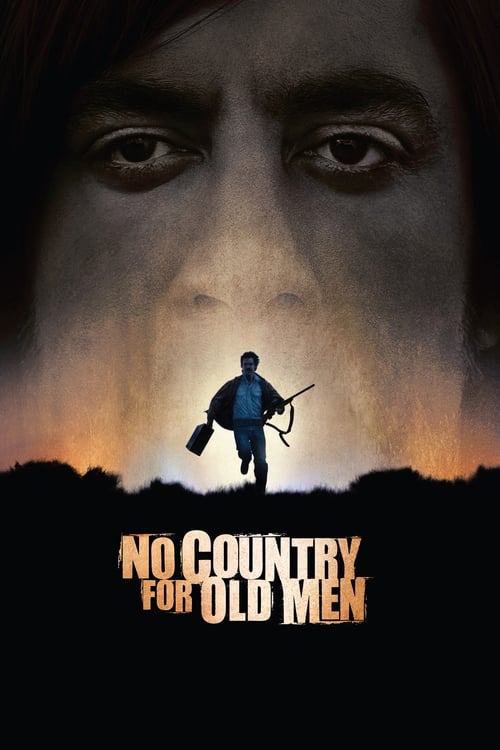
Yet the Coens' desert cinematography and meticulous pacing create a hypnotic viewing experience. We're drawn into Chigurh's methodical progress not because we sympathize, but because the filmmaking itself is so precisely controlled. Roger Deakins' camera observes this carnage with clinical detachment, making us complicit through our very act of watching. The film suggests that evil doesn't need our understanding—it only needs our attention.
This progression reveals something crucial about contemporary crime cinema's moral project. We've moved far beyond simple good-versus-evil narratives toward something more unsettling: films that make us question whether moral categories matter at all. These aren't stories about criminals—they're stories about the seductive power of choosing yourself over everyone else.
The most honest assessment? These films work because they tap into something genuinely dark in human nature. We don't root for these characters despite their crimes—we root for them because crime represents the ultimate expression of individual will over social constraint. They do what we can't, or won't, or shouldn't.
Perhaps that's why these films endure while more morally straightforward crime stories fade. They don't offer easy answers or comfortable resolutions. They force us to confront our own capacity for moral compromise.
If you're interested in exploring more films that challenge your moral compass, I'd highly recommend checking out CinemaSearch. Their recommendation engine is surprisingly sophisticated at finding films that share these complex moral sensibilities—much better than the usual algorithm suggestions that just throw more action movies at you when you watch one heist film.