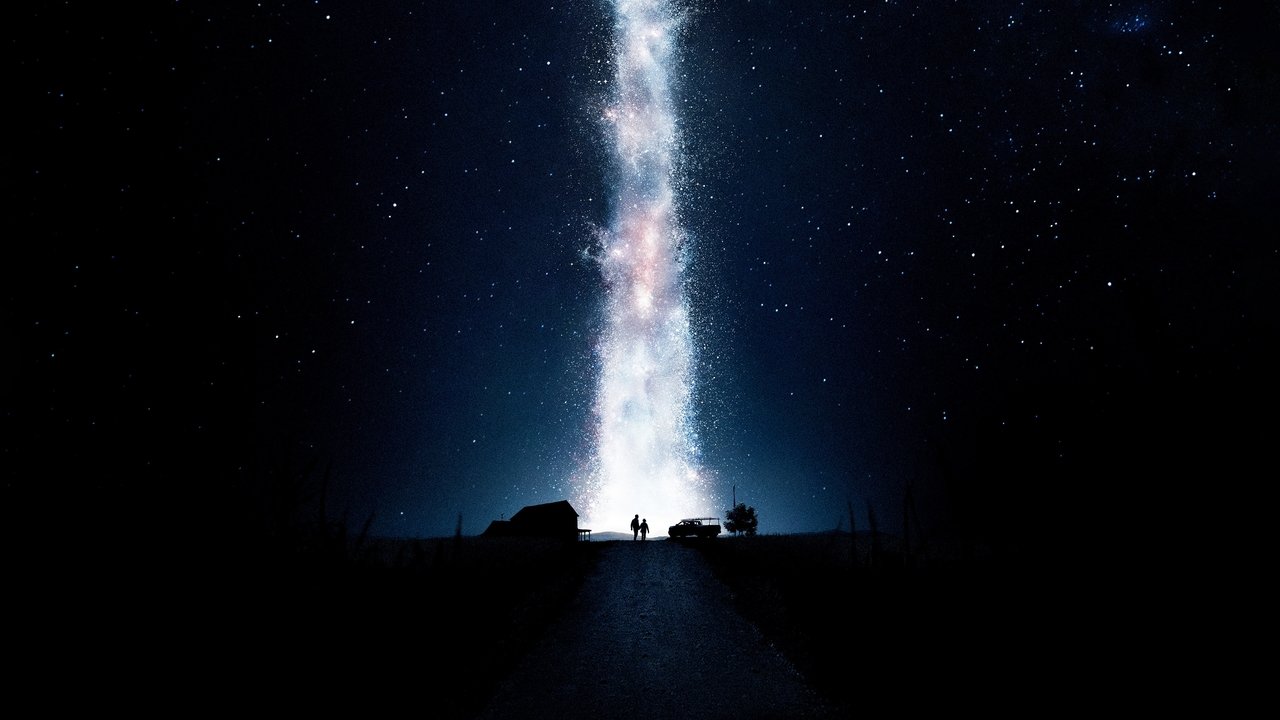
Confession time: I avoided Interstellar for nearly a decade because I thought it was going to be some pretentious space opera that took itself too seriously. Boy, was I wrong.
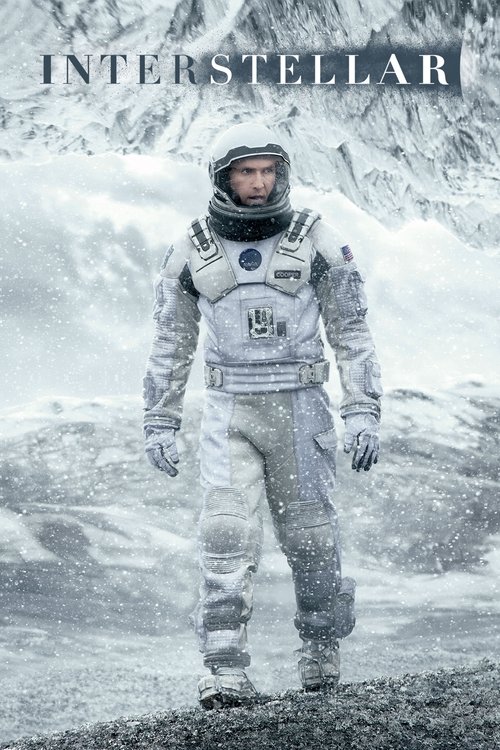
I finally watched Christopher Nolan's 2014 mind-bender last summer, and honestly? It broke my brain in the best possible way. Not because of the stunning visuals of Cooper falling through a tesseract (though that scene still gives me chills), but because of the questions it raises about love as a quantifiable force. Here's the thing—most sci-fi gets caught up in the "science" part and forgets the human element. Interstellar does the opposite. It uses theoretical physics as a vehicle to explore whether love can transcend dimensions. Ridiculous? Maybe. Emotionally devastating? Absolutely.
The film's approach to time dilation isn't just scientifically fascinating—it's existentially terrifying. That scene where Cooper watches decades of video messages from his family? Pure emotional torture disguised as hard science. Nolan collaborated with physicist Kip Thorne to get the black hole visualization right, and the result actually contributed to real scientific research. But I think the film's real achievement is making you feel the weight of time passing differently.
This sent me spiraling into other sci-fi that messes with your head, starting with something completely different: Spider-Man: Into the Spider-Verse.
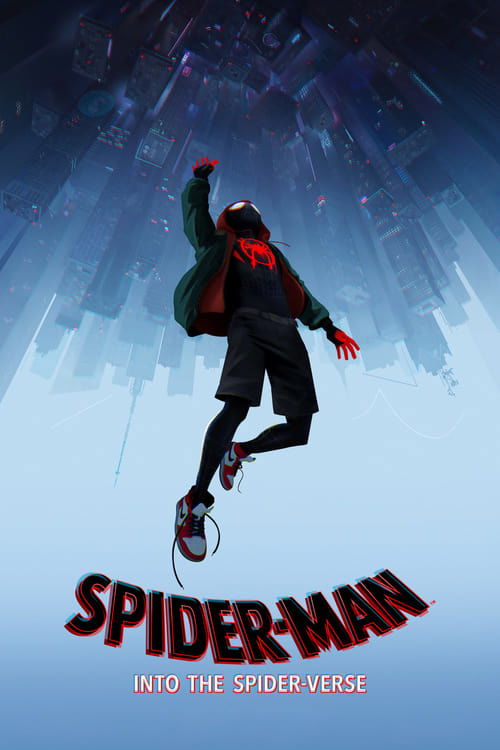
"Wait," you're thinking, "a Spider-Man cartoon?" Trust me on this one. Directors Bob Persichetti, Peter Ramsey, and Rodney Rothman created something that looks like a comic book come to life, but the multiverse concept they're playing with is legitimately mind-bending. Every frame is deliberately crafted to feel like you're reading multiple comics simultaneously.
The genius isn't just in the animation style—it's in how Miles Morales' journey mirrors our own relationship with infinite possibilities. When Spider-Gwen explains that she's from a dimension where she got bit instead of Peter Parker, it's not just world-building. It's forcing you to confront the idea that every choice creates alternate realities. The film treats multiverse theory as fact, not fiction, and somehow makes it feel emotionally grounded through Miles' very human struggle with identity and belonging.
Can we talk about how underrated the scientific accuracy is here? The super-collider stuff isn't just technobabble—particle accelerators really could theoretically punch holes in spacetime. The film takes real quantum physics concepts and makes them accessible without dumbing them down.
From there, I had to revisit a classic that I think gets misunderstood: The Empire Strikes Back.
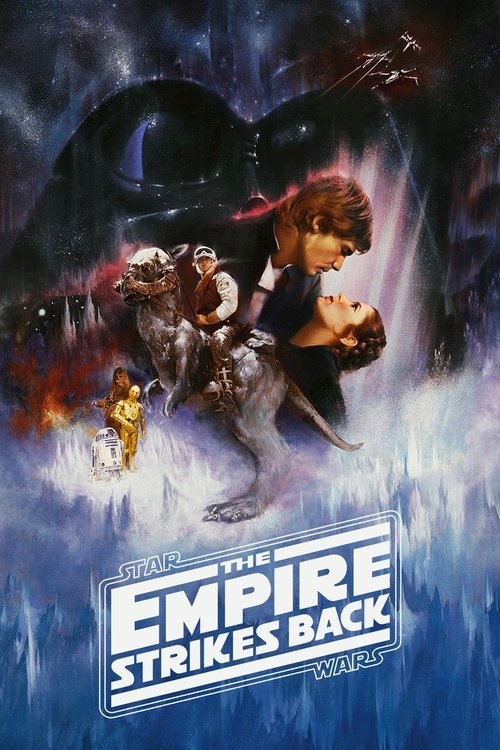
Here's my hot take: Empire isn't really a space opera. It's cosmic horror disguised as an adventure film. Irvin Kershner directed what's essentially a story about discovering that free will might be an illusion. Luke's journey in the Dagobah cave, where he faces Vader only to find his own face beneath the mask? That's body horror. The revelation about his parentage isn't just a plot twist—it's existential dread made manifest.
The Force, as presented in Empire, is less mystical energy and more like cosmic determinism. Yoda's "luminous beings are we, not this crude matter" speech is basically arguing that consciousness exists independently of physical reality. When Luke lifts the X-wing out of the swamp, it's not magic—it's the film suggesting that physical laws are just limitations we impose on ourselves.
Think about how this connects to modern theories about consciousness and quantum mechanics. The Force starts to look less like fantasy and more like speculative science about the nature of reality itself.
But if you want your brain really scrambled, let's talk about Inception.
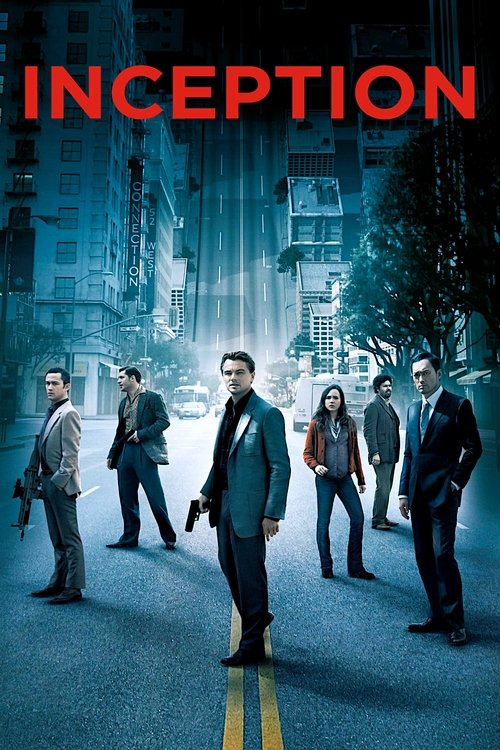
Nolan's 2010 heist film disguised as a meditation on reality still holds up as one of the most philosophically complex blockbusters ever made. Dom Cobb's mission to plant an idea in Robert Fischer's subconscious isn't just a clever plot device—it's exploring fundamental questions about the nature of thought and identity.
That spinning top ending? Everyone focuses on whether it falls, but I think that misses the point entirely. The real question isn't "Is Cobb dreaming?" It's "Does it matter?" If his experience feels real, if he's happy, if he's with his children—what difference does objective reality make?
The film's nested dream structure mirrors how memory actually works. We don't store experiences like video files; we reconstruct them each time, and those reconstructions change based on our current emotional state. Arthur's zero-gravity hallway fight isn't just spectacular action—it's a visual metaphor for how disorienting it is when your basic assumptions about reality get flipped.
Finally, Spider-Man: Across the Spider-Verse took everything the first film established and cranked it to eleven.
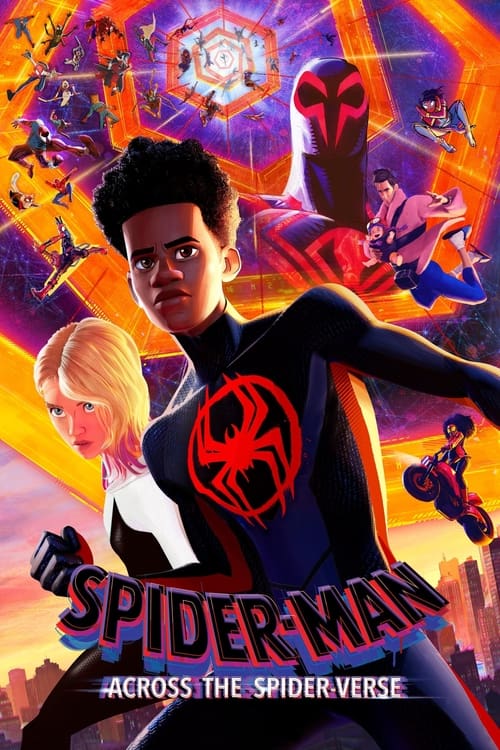
The 2023 sequel doesn't just expand the multiverse—it weaponizes it. When Miguel O'Hara explains "canon events" and argues that certain tragedies must happen to maintain reality's stability, the film is grappling with determinism versus free will on a multiversal scale. Miles' refusal to accept that his father must die isn't just character development; it's a rejection of cosmic fatalism.
Honestly, this might be the most philosophically sophisticated blockbuster ever made. It's asking whether we can change our fate or if we're trapped by the stories that define us. The visual chaos of the multiverse collapsing mirrors the existential anxiety of realizing that every choice creates infinite consequences.
What connects all these films is how they use science fiction concepts to explore fundamental questions about consciousness, reality, and human agency. They're not predicting flying cars or robot butlers—they're examining what it means to be human in a universe that might not operate the way we assume.
If you're looking to dive deeper into sci-fi that actually makes you think, I'd recommend checking out CinemaSearch. I've been using it to find films with similar themes, and it's incredible how many thought-provoking gems are hiding in plain sight. Sometimes the best way to understand our world is through the lens of impossible ones.