Honestly? I'm tired of being emotionally manipulated by movies that think a dead dog and some violins equal profound drama. You know the ones I'm talking about – films that engineer your tears like they're working an assembly line, hitting every predictable beat to make you cry on cue. But here's the thing: the best dramas don't manipulate. They earn it.
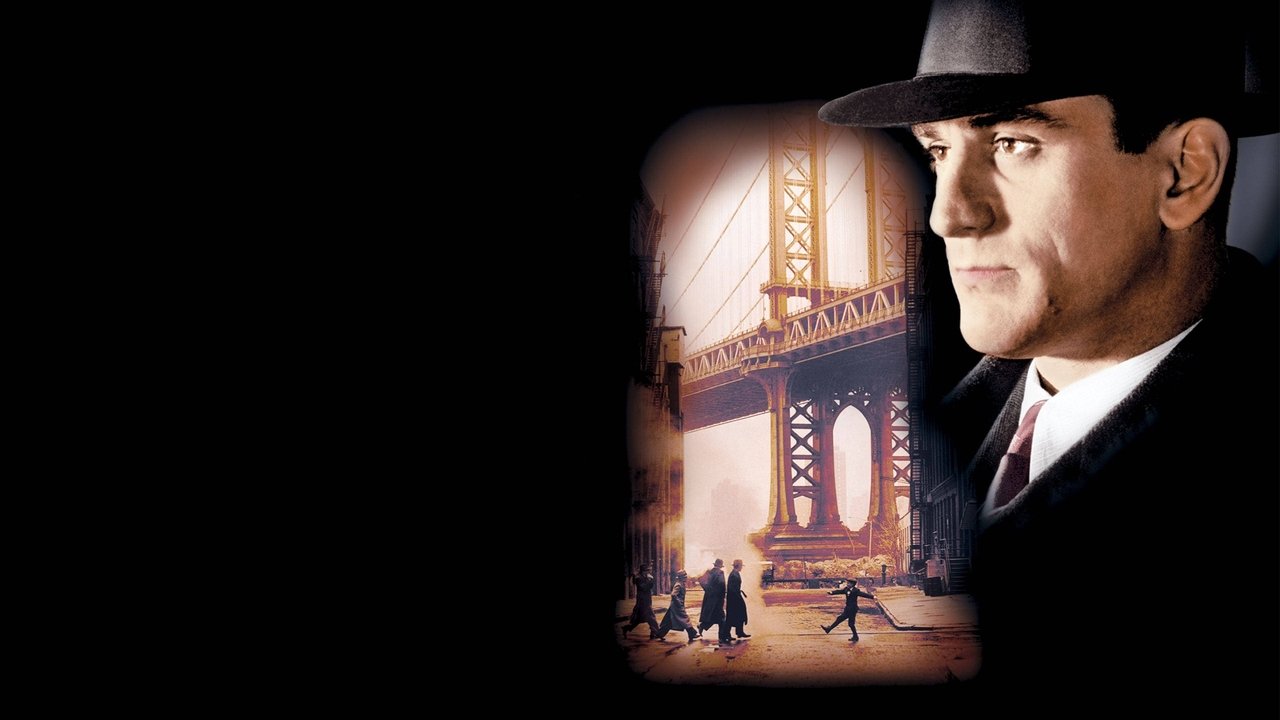
I discovered this difference during a particularly rough patch in my early twenties, when I stumbled across Sergio Leone's Once Upon a Time in America at 2 AM on some obscure cable channel. Four hours later, I sat in my living room completely devastated – not because the film had pushed my buttons, but because it had shown me something true about memory, regret, and the weight of choices that can't be undone.
The Slow Burn of Memory
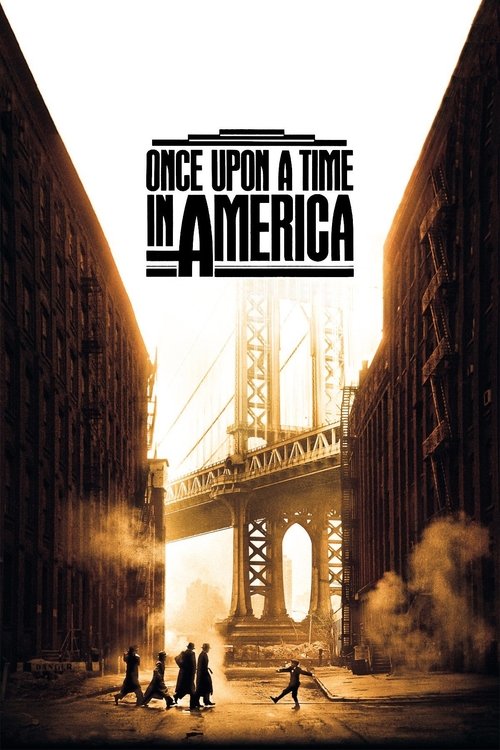
Leone's gangster epic refuses to play by Hollywood's emotional rulebook. Instead of clear heroes and villains, we get Noodles – Robert De Niro delivering one of his most nuanced performances – a man haunted by betrayal and lost love. The film spans decades, moving between past and present like memory itself: fractured, unreliable, painful.
What makes this film extraordinary isn't its violence or its scope, but its understanding of how guilt actually works. When Noodles visits the cemetery and finds his friends' graves, there's no swelling music to tell you how to feel. Just De Niro's face, weathered by decades of carrying a secret that's eating him alive. Leone trusts his audience enough to let us feel the weight of that moment without orchestral manipulation.
The film's treatment of friendship and betrayal feels lived-in rather than plotted. James Woods as Max creates one of cinema's most complex antagonists – not a mustache-twirling villain, but a man whose ambition slowly poisons everything he touches. Their relationship deteriorates with the inevitability of a slow-motion car crash, and when the final revelations come, they hit like physical blows because Leone has spent four hours building to them.
Here's what I think separates this from lesser crime epics: it understands that the real tragedy isn't the violence, but the moments of tenderness lost to it. The scenes between Noodles and Deborah (Elizabeth McGovern) carry a melancholy that feels genuine because the performances never reach for easy sentiment. They're just two people who might have loved each other in a different life.
The Anatomy of Cruelty and Redemption
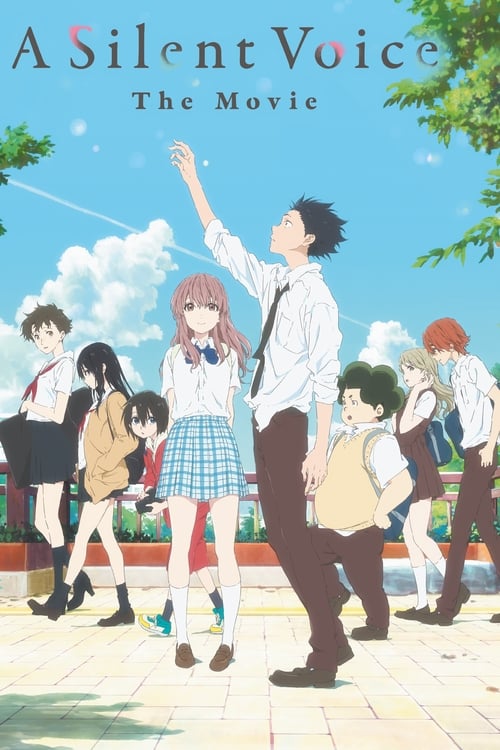
I'll admit it: I avoided A Silent Voice for months because I thought it would be another anime tearjerker designed to wreck me. When I finally watched it, I realized I'd been completely wrong about what this story was trying to do. Director Naoko Yamada crafts something far more sophisticated than a simple redemption tale – this is a surgical examination of how cruelty spreads and how genuine apologies actually work.
Shouya's journey from bully to someone seeking forgiveness could have been saccharine nonsense in less capable hands. Instead, the film presents one of the most honest depictions of childhood cruelty I've ever seen. The early bullying scenes are genuinely uncomfortable because they capture something true about how kids can be casually, devastatingly cruel. Shouya doesn't torment Shouko out of some deep-seated evil – he does it because she's different and he's too immature to understand what that means.
What elevates this beyond typical redemption stories is how it handles consequences. Shouya's ostracization by his classmates isn't presented as cosmic justice, but as another form of the same mob mentality that created the original problem. The film understands that bullying is systemic, not individual, and that recognition gives weight to Shouya's later attempts at growth.
Yamada's direction trusts visual storytelling over exposition. The recurring motif of X's covering faces – representing Shouya's inability to see others as fully human – works because it's earned through character development, not explained through dialogue. When those X's finally fall away, it's a moment of genuine emotional release because we've watched Shouya slowly learn to see people again.
The relationship between Shouya and Shouko develops with careful authenticity. Neither character is idealized – Shouko struggles with her own self-worth and tendency toward self-blame, while Shouya battles genuine self-hatred that can't be fixed with a simple apology. Their connection feels real because it's built on shared pain and gradual understanding, not movie magic.
Survival Without Sentimentality
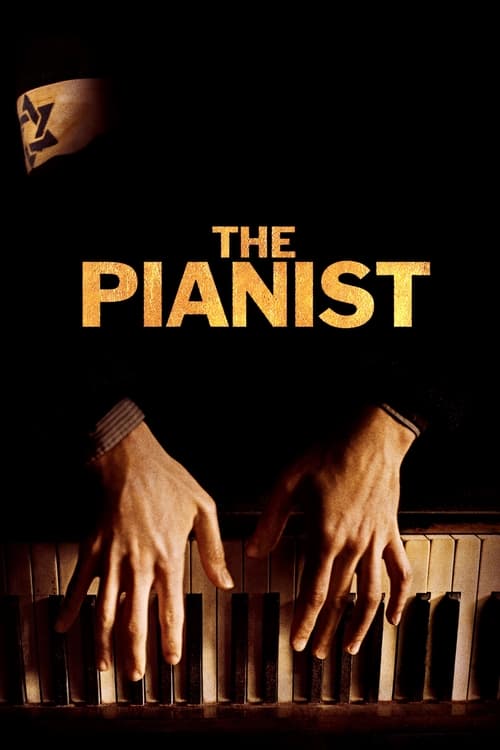
Roman Polanski's The Pianist accomplishes something that should be impossible: it tells a Holocaust story without exploiting the inherent tragedy for emotional effect. Based on Władysław Szpilman's memoir, the film follows the pianist's survival in Warsaw with an almost documentary-like restraint that makes every moment of horror and humanity hit with devastating precision.
Adrien Brody's performance as Szpilman is a masterclass in less-is-more acting. Rather than big emotional moments, Brody gives us a man slowly stripped of everything – his family, his dignity, his physical strength – while clinging to the one thing that defines him: his music. The scene where he plays air piano, his fingers moving silently over a table, contains more genuine emotion than a dozen overwrought death scenes.
Polanski's direction is ruthlessly unsentimental. The deportation of Szpilman's family could have been milked for maximum tears, but instead it's presented with stark efficiency that makes it far more powerful. There's no time for prolonged goodbyes or meaningful last words – just the brutal reality of separation and the randomness of who lives and who dies.
The film's approach to hope is what sets it apart from other Holocaust dramas. Moments of kindness – a friend sharing food, a stranger offering shelter – aren't presented as proof of universal human goodness, but as small miracles in a world gone insane. When the German officer Hosenfeld helps Szpilman in the film's final act, it's not redemption for Nazi Germany or proof that there's good in everyone. It's just one man making one decent choice in an indecent world.
The final scene, where Szpilman performs Chopin's Ballade No. 1, works because we've watched him lose everything except his ability to create beauty. Brody's fingers on the keys carry the weight of survival, loss, and the stubborn persistence of art in the face of destruction.
The Difference That Matters
These films understand something that too many modern dramas miss: emotion without foundation is just manipulation. They build their emotional moments through character truth, careful pacing, and respect for their audience's intelligence. They don't tell you when to cry – they create situations where tears feel inevitable and earned.
The performances in these films avoid the trap of "Oscar bait" acting – those showy moments designed to win awards rather than serve the story. Instead, they offer the kind of lived-in authenticity that makes you forget you're watching actors at all.
If you're hungry for more films that understand the difference between earning emotions and manufacturing them, I'd honestly recommend checking out CinemaSearch. I've been using it to dig up similar films that prioritize character truth over emotional manipulation, and it's become invaluable for finding those rare movies that trust their audience enough to feel something real.