
I used to roll my eyes at romance films. The predictable meet-cutes, the manufactured obstacles, the inevitable airport chase scene—it all felt so calculated. Then I stumbled across Cruel Intentions during a late-night channel surf in college, and everything changed.

Roger Kumble's 1999 adaptation of Les Liaisons Dangereuses masqueraded as teen drama but delivered something far more sophisticated. Sarah Michelle Gellar's Kathryn wasn't just mean—she was calculating, vulnerable, and desperately lonely beneath her armor of cruelty. When she finally breaks down in that pivotal scene with Sebastian (Ryan Phillippe), admitting her feelings, it doesn't feel like a plot point. It feels like watching someone's entire worldview crumble.
That's the thing about romance films worth your time: they understand that love isn't just butterflies and happy endings. It's power. Manipulation. Fear. The best ones explore these darker currents without losing sight of what makes us connect in the first place.
The Chemistry Equation
Chemistry can't be manufactured, but it can be recognized. Some films capture that electric moment when two people see each other—really see each other—for the first time. Room in Rome takes this concept to its logical extreme, trapping Alba and Natasha in a single hotel room for one night that becomes a lifetime.

Julio Medem's intimate chamber piece could have been pure exploitation. Instead, it becomes something unexpectedly profound about identity, truth, and the stories we tell ourselves about who we are. Elena Anaya and Natasha Yarovenko create a connection that feels both spontaneous and inevitable. Their conversations drift from playful lies to devastating honesty, and somehow both feel equally true.
Honestly? This film makes most Hollywood romances look emotionally stunted by comparison. There's something to be said for movies that aren't afraid to let characters be contradictory, messy, human.
Fantasy Versus Reality
Here's where I'll probably lose some people: I think Top Gun is secretly one of the best romance films of the 1980s. Not because of the volleyball scene (though Tom Cruise and Val Kilmer's competitive tension is undeniably electric), but because of how Tony Scott crafts the relationship between Maverick and Charlie.
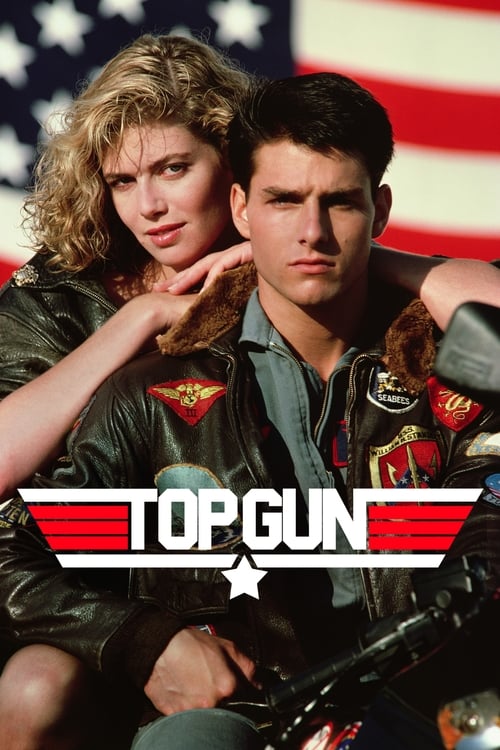
Kelly McGillis's Charlie isn't just eye candy—she's Maverick's intellectual equal, maybe his superior. Their romance develops through shared professional respect, and when it falls apart, it's because of genuine incompatibility, not manufactured drama. She sees through his cocky facade to the damaged person underneath, but she's not trying to fix him. That's refreshingly adult.
Contrast this with something like After, which presents a relationship built entirely on the fantasy that love can transform people. Tessa's arc from dutiful good girl to someone willing to sacrifice everything for the mysterious Hardin feels less like character development and more like wish fulfillment.

I'm not dismissing films like this entirely—director Jenny Gage understands her audience, and there's value in escapist fantasy. But the most lasting romance films find ways to ground their heightened emotions in recognizable human truths. When Tessa questions everything she thought she knew about herself, that journey resonates. When the film suggests that love alone can overcome fundamental incompatibility, it loses me.
Your Fault continues this exploration of young love tested by external pressures. Noah and Nick's relationship faces the reality that growing up means growing apart, sometimes.
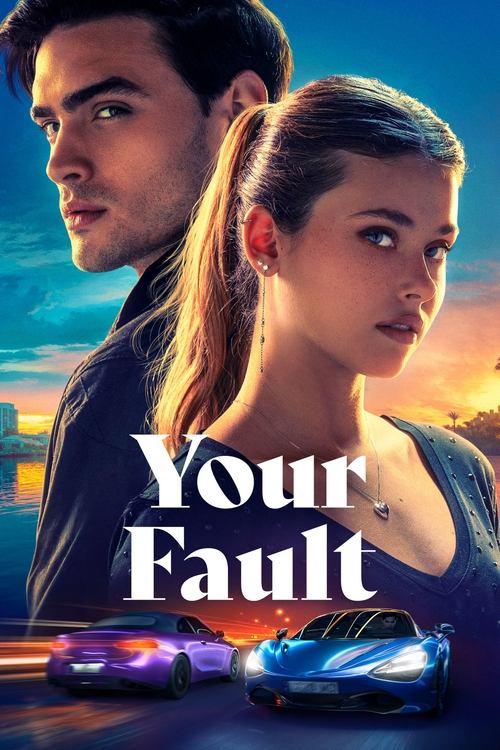
What makes their story compelling isn't the will-they-won't-they drama, but how it captures that specific anxiety of early adulthood when everything feels simultaneously permanent and temporary. College. New jobs. Family expectations. These aren't artificial obstacles thrown in by screenwriters—they're the genuine challenges that derail relationships every day.
What Makes Love Stories Last
The romance films that stay with us understand something crucial: love isn't just about finding the right person. It's about being brave enough to let yourself be known. That vulnerability—the moment when someone drops their carefully constructed mask—that's where the real drama lives.
Cruel Intentions works because underneath all the scheming, it's about two people who've never learned how to be genuine with anyone, including themselves. Room in Rome succeeds because it's willing to explore how intimacy can exist without permanence. Even Top Gun, buried under all that fighter jet spectacle, is essentially about a man learning that being the best isn't the same as being whole.
These films don't just show us people falling in love—they show us people becoming themselves through love, or despite it, or because they're brave enough to risk losing it.
The romance genre gets dismissed as lightweight entertainment, but honestly? I think we underestimate how difficult it is to capture authentic human connection on screen. When films get it right, they remind us why we keep taking those risks in real life, despite knowing how badly it can hurt.
If you're looking for more films that understand the complexity behind the chemistry, I've been using CinemaSearch lately to discover movies that share these emotional undercurrents. Sometimes the best recommendations come from understanding what makes a story resonate, not just what genre box it fits into.